
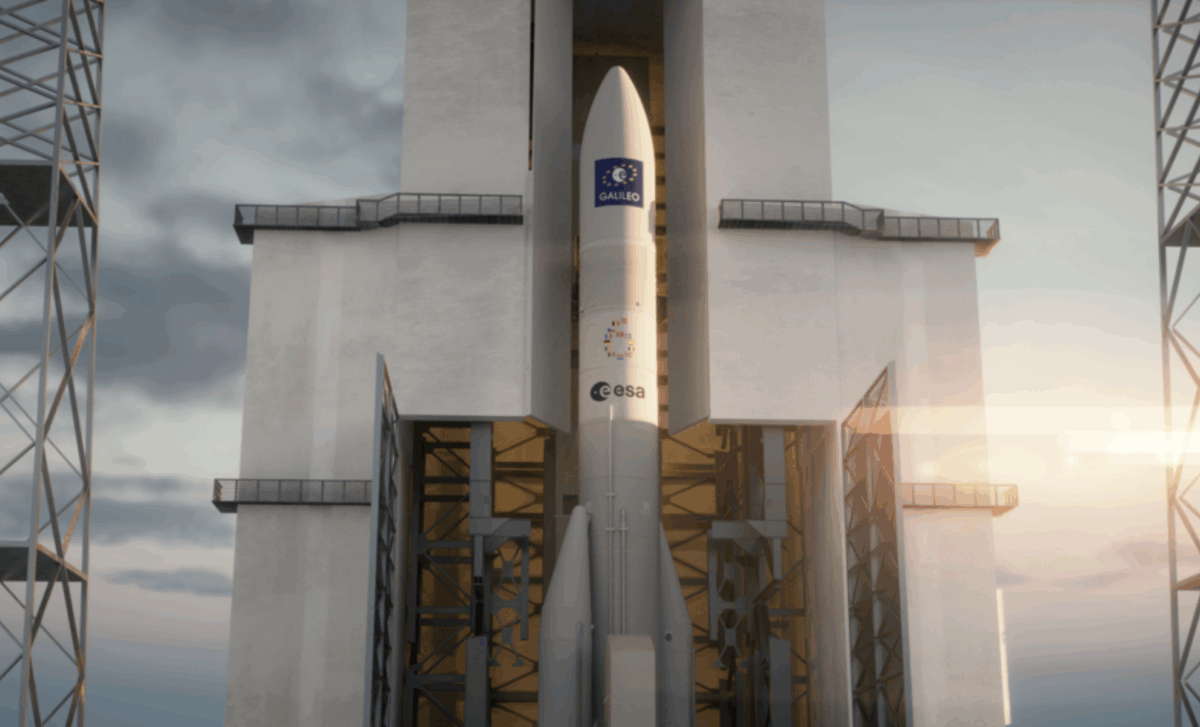
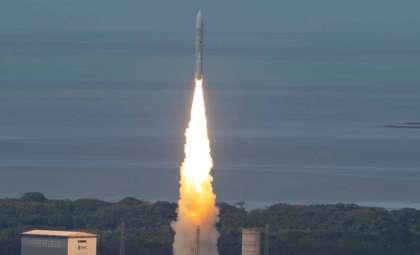
On December 17, 2025, the Ariane 6 rocket will carry two Galileo satellites into orbit, marking a pivotal step in the advancement of Europe's satellite navigation system. This mission represents more than a technical milestone; it promises to enhance navigation accuracy and reliability for billions of users globally. Critical applications like autonomous driving, air traffic management, and emergency response operations rely on Galileo's precise positioning, underscoring the far-reaching significance of this launch.
Ariane 6: Europe’s Latest Heavy-Lift Rocket Ready for Action
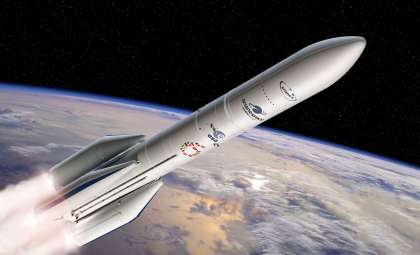
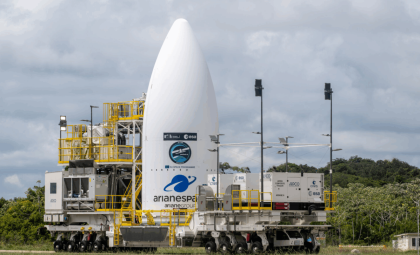
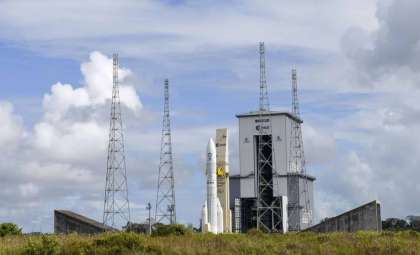
The Ariane 6 launch vehicle stands as Europe’s newest heavy-lift rocket, engineered for adaptable and dependable access to space. For this mission, Ariane 6 will operate with two boosters, maximizing thrust to deploy the Galileo satellites into their orbital slot. Central to Europe's drive for independent space access, Ariane 6 delivers cost-efficiency and enhanced payload capacity. Its Vulcain 2.1 engine and P120C solid rocket boosters will propel the satellites to medium Earth orbit, roughly 23,222 kilometers above Earth.
This rocket's versatility makes it well-suited to support Galileo’s operational demands, reinforcing Europe’s enduring commitment to its space ambitions through reliable launch capabilities.

ESA highlights that this launch continues the longstanding partnership between the Galileo program and Ariane rockets. Nearly a decade ago, Ariane 5 facilitated a major boost to Galileo’s development, and this upcoming mission will extend that legacy, enhancing global navigation services for the foreseeable future.
Galileo Satellites: Enhancing Precision and Reliability
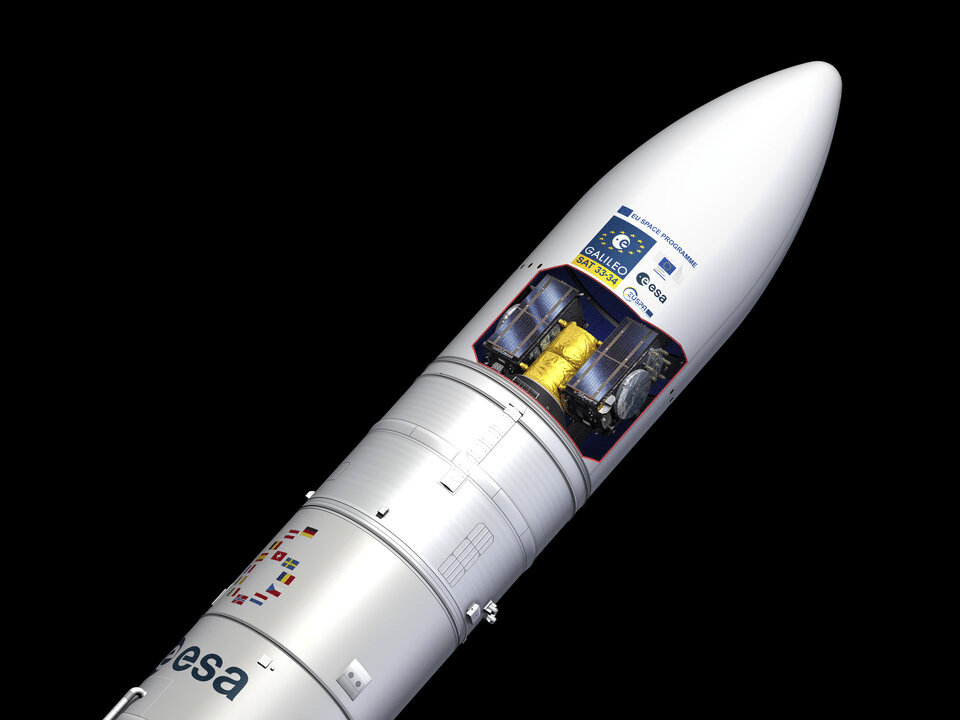
The Galileo constellation has consistently set a high standard for navigation precision. The forthcoming deployment of SAT 33 and SAT 34 will strengthen this network, ensuring continued accuracy and system availability. These new satellites serve as crucial backups, bolstering the constellation’s resilience and guaranteeing continuous service.
Since its launch, Galileo has delivered positioning accuracy within one meter, an extraordinary achievement in satellite navigation. Its user base spans billions, including mobile device owners and vital sectors such as logistics and agriculture, all benefiting from its dependable data.
SAT 33 and SAT 34 will integrate with the current fleet of 27 operational satellites, helping maintain Galileo’s seamless navigation capabilities. This expansion plays a key role in safeguarding essential services and infrastructure worldwide, reinforcing Galileo’s position as a leader in global navigation.
Galileo’s Reach: Transforming Multiple Industries Worldwide
Galileo’s influence stretches across numerous sectors, revolutionizing the way air traffic, agriculture, maritime, and emergency services operate by delivering pinpoint accuracy and reliability. For instance, in self-driving cars, precise Galileo signals enable safer, more efficient navigation. In aviation, Galileo helps optimize flight paths, increasing safety and reducing delays.
Galileo also supports maritime navigation with enhanced precision, while in agriculture, it contributes to improved land use and crop management. Beyond navigation, Galileo’s timing signals are critical for financial markets, ensuring accurate transaction processing across the globe.
As industries continue to innovate, the Galileo system’s ability to provide trustworthy, high-precision navigation and timing will remain fundamental in shaping the future of technology and infrastructure worldwide.
- Categories:
- News




0 comments
Sign in to Comment