
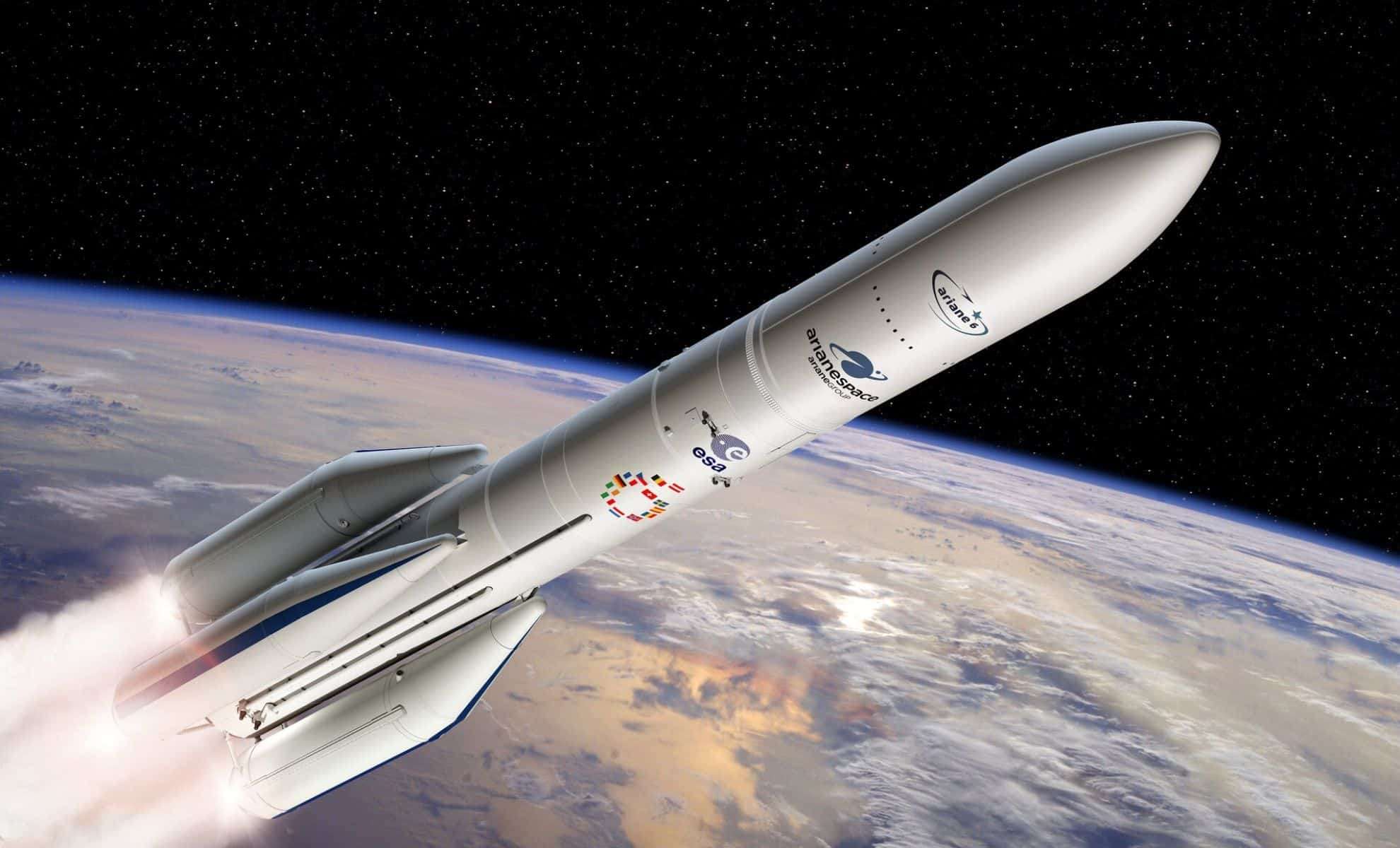
After a lengthy wait, Europe’s Ariane 6 rocket is scheduled to embark on its maiden voyage on July 9, marking a pivotal moment for the continent’s space ambitions, as confirmed by the European Space Agency (ESA).
This launch represents a major achievement, introducing a dependable and adaptable launch vehicle designed to carry heavy payloads to orbit independently.
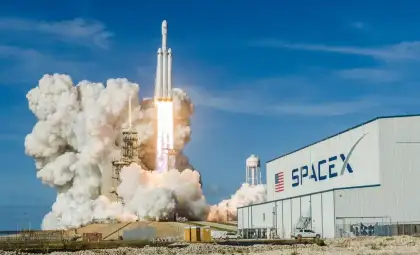
With increasing competition in the commercial space sector, particularly from firms like Elon Musk’s SpaceX, the Ariane 6 aims to bolster Europe’s standing as a competitive player.

Development Journey and Strategic Value
The Ariane 6 project was originally slated for launch in 2020, but the COVID-19 crisis along with other technical difficulties postponed its introduction. These delays have left Europe without an independent launcher for heavy payloads, heightening the importance of this upcoming mission.
ESA director Josef Aschbacher announced at Berlin’s aerospace event, “I am glad to confirm July 9 as the date for Ariane 6’s first launch attempt.” He noted, “Ariane 6 ushers in a new era of European space independence and flexibility.” This highlights the rocket’s significance not just technologically but as a testament to Europe’s dedication to remain a space-faring leader amid global rivals.
Close international attention has been focused on Ariane 6’s progress. Its success would secure Europe’s place in space exploration and commercial satellite deployment. The rocket is engineered to be more economical and adaptable than previous variants, servicing both governmental and commercial needs. Despite frustrations due to the setbacks, ESA’s determination underlines the critical importance of sustaining an independent, robust space launch infrastructure.
Launch Site and Technical Features
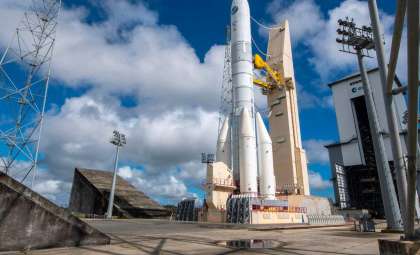
The launch will occur from French Guiana’s equatorial location, providing an extra velocity boost thanks to Earth’s rotation. This prime site supports Ariane 6’s goal of competing head-to-head with major launch providers like SpaceX.
The rocket is intended to carry forward the legacy of Ariane 5, which concluded its operational life in July 2023 after decades of service.
Ariane 5 was celebrated for its reliable track record, having deployed an array of satellites for communications, Earth monitoring, and deep space missions. Its retirement marked the conclusion of a successful era and paved the way for Ariane 6.
Ariane 6 will introduce enhanced versatility and affordability, with two configurations—Ariane 62 and Ariane 64—to accommodate varying payload requirements. This adaptability is expected to attract a broad spectrum of missions. The ESA emphasized that this initial launch is the start of many, as multiple flights are planned to solidify Europe’s reputation and dependability as a launch provider that appeals to international customers.
Setbacks and Overcoming Obstacles
The Ariane 6 development experienced several hurdles, chiefly due to the pandemic, which disrupted supply chains and workforce dynamics. Additional technical complications demanded thorough testing and fine-tuning to guarantee reliability and safety. These challenges echo those faced across the aerospace industry but carry particularly high stakes given Europe’s ambition for strategic independence in space.
Resolving these issues involved coordinated efforts across governments, contractors, and international collaborators. The ESA implemented rigorous quality controls and comprehensive assessments to resolve the problems encountered. This diligent process is essential to ensure the rocket’s success under diverse mission conditions. Moreover, the insights gained from these trials will enhance not only Ariane 6 but also future European space ventures, advancing the continent’s technological edge.







0 comments
Sign in to Comment