
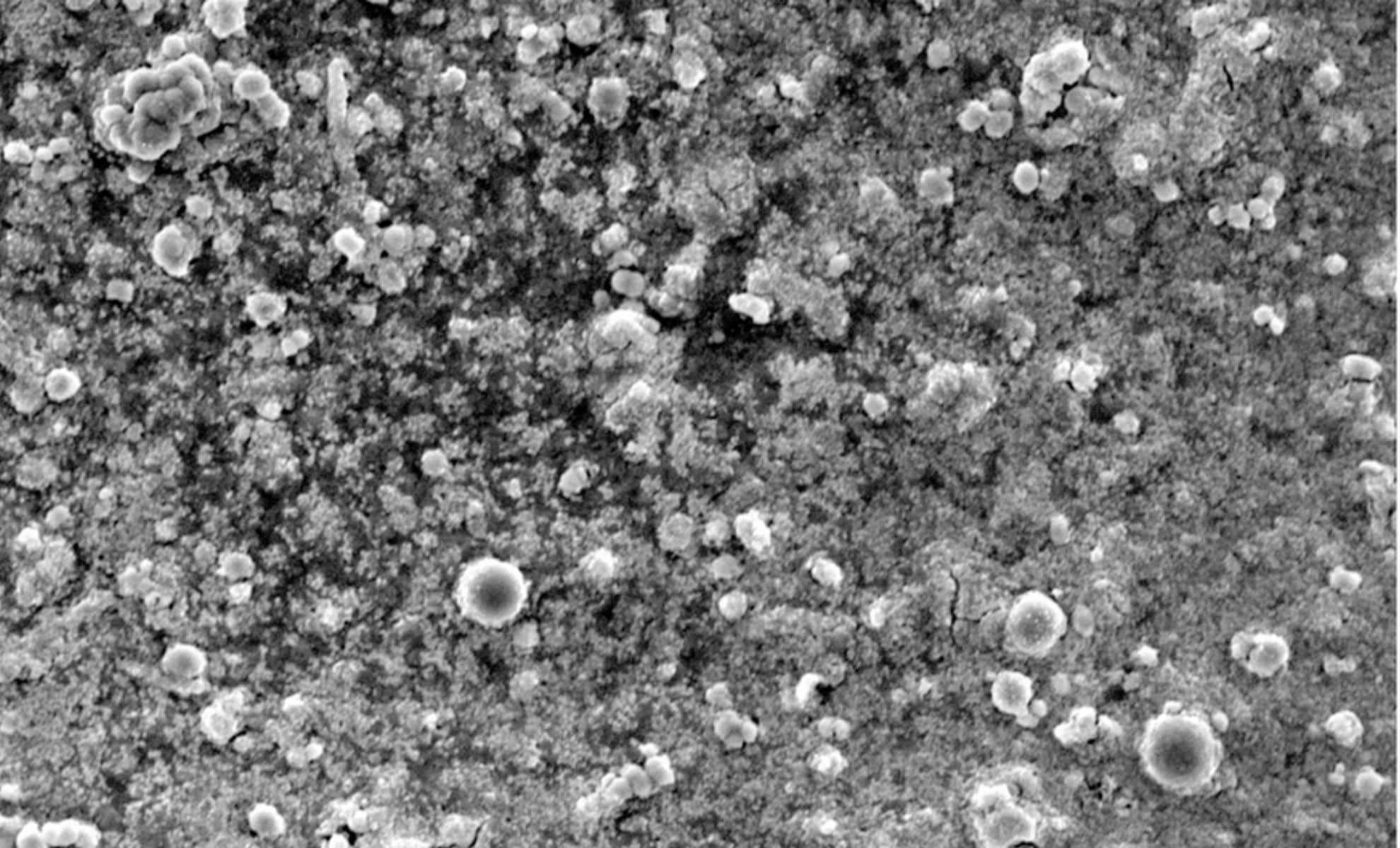
A common soil bacterium, Bacillus megaterium, has been found to effectively transform carbon dioxide into solid mineral form. Researchers have demonstrated that this microorganism can precipitate CO₂ gas as calcium carbonate with an efficiency rarely matched by current natural or technological methods. This groundbreaking discovery, from a team at the Swiss Federal Institute of Technology Lausanne (EPFL), could revolutionize carbon capture techniques and contribute significantly to cutting emissions from heavy industry.
Microbial Limestone Formation in High-Pressure Environments
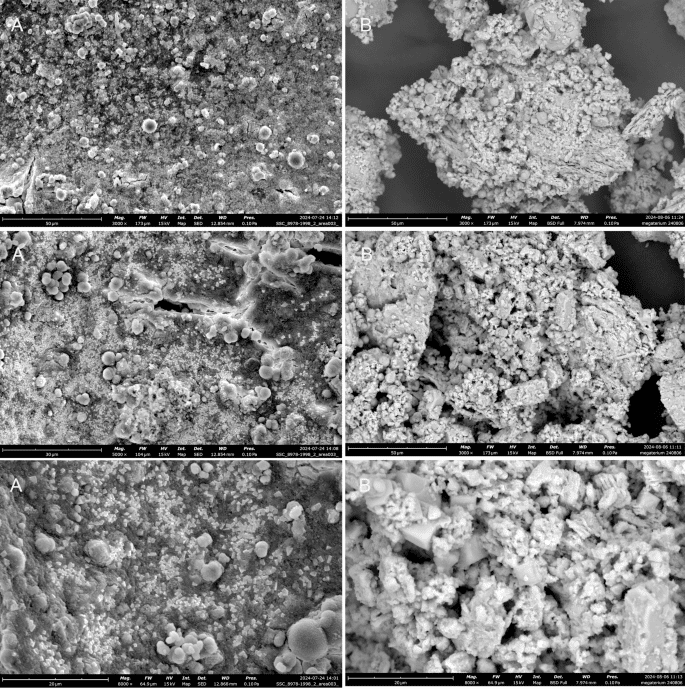
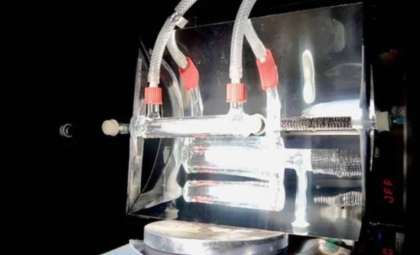
Within pressurized lab vessels containing CO₂ at over 470 times atmospheric pressure, Bacillus megaterium was able to precipitate calcium carbonate crystals, extracting upwards of 94 percent of the carbon dioxide directly from the gaseous phase. Lead researcher Dimitrios Terzis of EPFL’s Soil Mechanics Laboratory highlighted that this conversion rate surpasses that of many man-made carbon capture materials.
The microbe’s exceptional conversion rate positions it as a promising option for point-source carbon capture, particularly for pollutant-heavy industries such as cement manufacturing and steel production. Since this bacterium employs a biochemical pathway that minimizes toxic byproducts, it presents a more environmentally sound alternative to existing capture technologies.

A Cleaner Metabolic Route That Avoids Ammonia
Bacillus megaterium typically uses a process known as ureolysis, where it breaks down urea to elevate pH levels and induce calcite formation—though this method generates ammonia, necessitating costly remediation. In this work, scientists discovered that under elevated CO₂ pressures, the bacteria shift to utilizing the enzyme carbonic anhydrase.
This enzyme facilitates the hydration of carbon dioxide into bicarbonate, which then reacts with calcium ions to form solid carbonate minerals without releasing ammonia. The results showed that only six percent of the carbon found in calcite stemmed from urea, indicating a near-total reliance on the ammonia-free pathway. This so-called “metabolic flip” might act as a natural control mechanism to reduce ammonia emissions.
Both urease and carbonic anhydrase operate within the periplasmic space between bacterial membranes, allowing CO₂ and urea to react externally to the cell. This arrangement accelerates the mineral formation and enables precise regulation of the reaction by adjusting nutrient or gas supply.
Potential to Revolutionize Cement Production
The cement sector contributes approximately 8% of global carbon emissions—close to three billion tons annually—making the search for greener alternatives crucial for climate goals.
Introducing microbially-produced calcite as a partial substitute for traditional cement gains appeal, as it not only locks away CO₂ but also generates a material with exceptional durability and stability over geological timescales, apt for both construction and long-term carbon sequestration.
Trials in Denmark demonstrated that concrete enhanced with microbial calcite maintained over 98% of its strength following 300 freeze-thaw cycles, a critical benchmark as building standards evolve to emphasize low-emission and long-lasting materials. Policy frameworks in regions like California and Europe are already adopting performance-based regulations to foster such innovations.
Scaling Up Microbial Carbon Sequestration
Medusoil, a startup involved in this research, has developed pilot-scale bioreactors that infuse Bacillus megaterium into crushed rock to manufacture structural stone blocks. Their system reportedly sequesters multiple pounds of CO₂ per cubic foot within hours by converting gas into solid rock.
At Newcastle University, scientists engineered a strain of Bacillus subtilis to express the carbonic anhydrase enzyme from B. megaterium, achieving nearly 80% CO₂ reduction in simulated flue gases. This demonstrates the adaptability of metabolic components across different microbes for tailored industrial applications.
Cost analyses indicate that with renewable energy inputs, these biological carbon capture systems could operate at under $50 per metric ton of CO₂, competitive with chemical scrubbing technologies. Calcium required for mineralization may be sourced sustainably from industrial waste streams such as mining byproducts, recycled concrete debris, or desalination residuals, reducing environmental impacts from raw resource extraction.
- Categories:
- News









0 comments
Sign in to Comment