
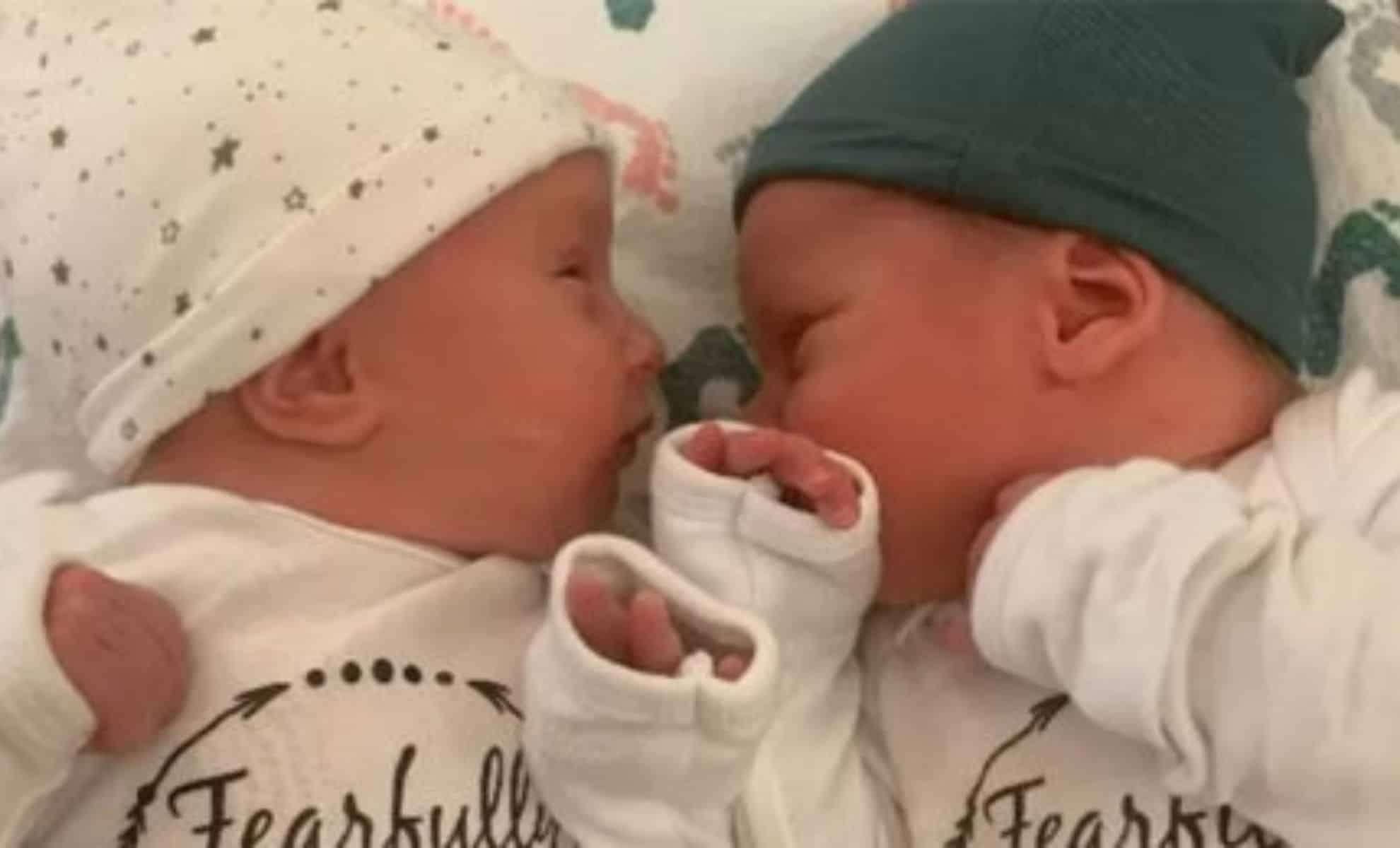
An embryo stored in cryogenic conditions for over three decades has resulted in the birth of what is recognized as the oldest baby delivered from frozen embryos. Born on July 26, 2025, this infant marks a groundbreaking achievement in reproductive medicine, showcasing the advancements in in vitro fertilization (IVF) and embryo preservation.
From 1994 to 2025: A Lifespan Like No Other
ABC News reports that the embryo originated in May 1994 in the United States, during IVF treatment by Linda Archerd and her then-husband. After having a daughter, the couple chose to freeze three leftover embryos. One of these remained frozen for over 30 years, described by specialists as simultaneously "young and old."
Eventually, Archerd decided to donate the embryos. They were adopted by Lindsey and Tim Pierce via the Snowflakes program, managed by Nightlight Christian Adoptions, helping the couple realize their parental aspirations. Lindsey shared with MIT Technology Review, “We never anticipated setting a record. Our goal was simply to have a baby.”

A New Benchmark in Embryo Preservation
Before this event, the longest frozen embryos to successfully lead to live births were stored for just over 30 years. In 2022, similarly aged embryos were thawed and resulted in twins. This birth extends the record even further.
This milestone was achieved at a Tennessee fertility center headed by reproductive endocrinologist John Gordon, who is a strong advocate for the potential of every embryo. His expertise and clinic have pushed the boundaries of IVF technology while carefully considering the ethical dimensions involved.
Unlike many nations with strict storage limits—for example, Australia restricts freezing to five years and the UK permits up to 55 years—the US imposes no legal limit. Consequently, about 1.5 million frozen embryos exist nationwide, many remaining unused.
Scientific and Ethical Considerations
This landmark birth invites nuanced scientific and ethical discussions. Older embryos can be harder to thaw because of evolving freezing methods over time. Beth Button, the Snowflakes program’s executive director, mentioned that “over 90 percent of US clinics would have rejected these embryos.”
Findings on the impact of extended cryopreservation vary. A comprehensive Chinese study from 2022 suggested longer storage might reduce survival rates but not harm newborn health. Other research shows no significant effect of freezing duration on viability. However, most studies involve embryos frozen far less than 30 years, making this case pivotal for reproductive science.
The Expanding Frontier of Embryo Adoption
The Pierses’ son shares biological ties with Archerd’s daughter from the 1990s, creating nearly a 30-year sibling age gap. This unique situation illustrates how embryo adoption is reshaping family dynamics and fertility treatments. As clinics in the US continue to revive decades-old embryos, the question arises: is there an ultimate limit to embryo preservation?
- Categories:
- News













0 comments
Sign in to Comment