
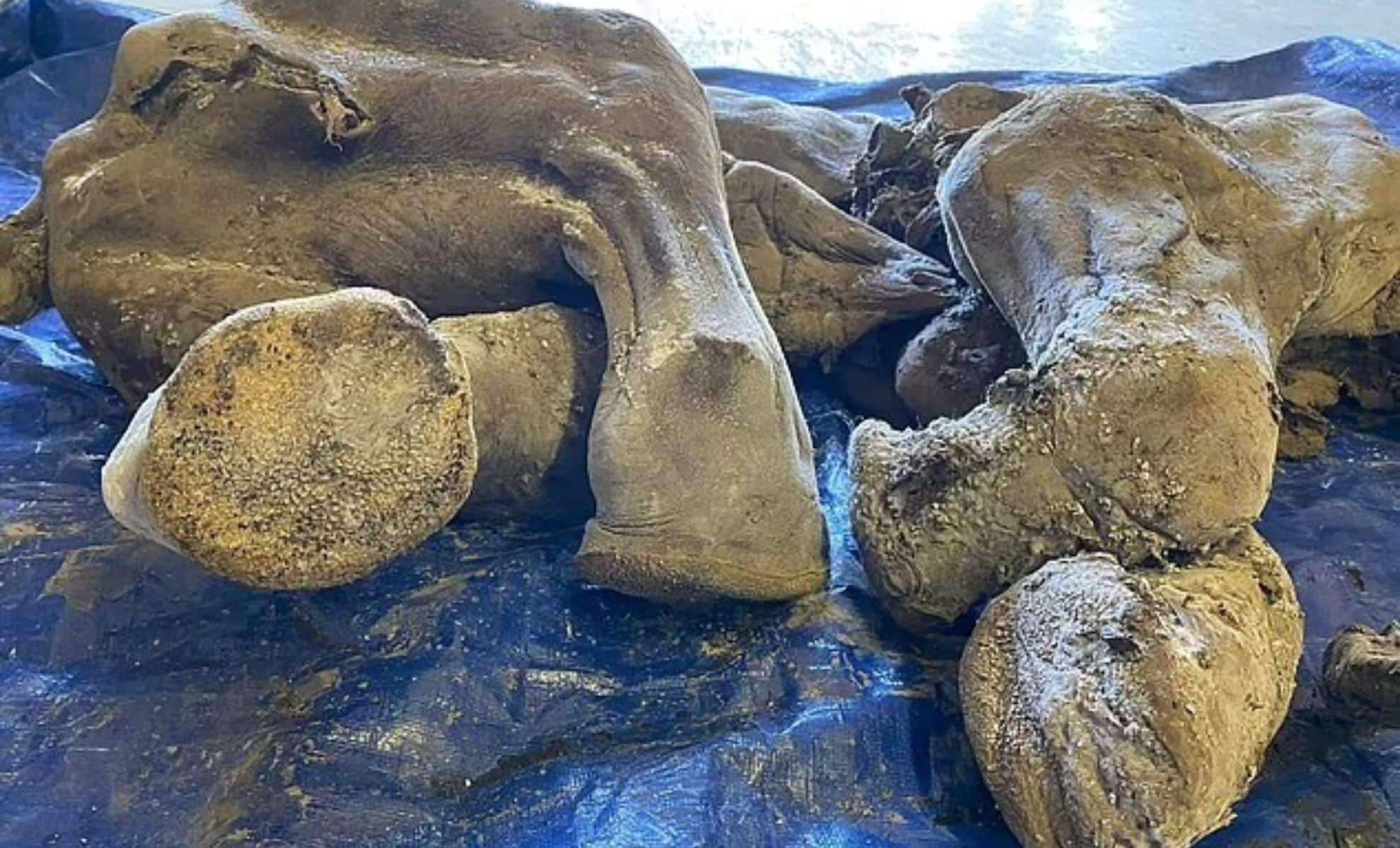
In the Klondike gold mining region of Yukon, Canada, prospectors have come across an astonishingly well-preserved infant mammoth. The discovery was made on the ancestral territory of the Trʼondëk Hwëchʼin, whose elders named the specimen “Nun cho ga,” which translates to “big baby animal” in the Hän dialect. Specialists consider Nun cho ga to be the most intact mammoth fossil ever documented in North America.
Unlocking Ice Age Mysteries
Nun cho ga represents the woolly mammoth species (Mammuthus primigenius), which inhabited Earth during the Pleistocene epoch before disappearing in the Holocene. Woolly mammoths have been extensively researched due to numerous remarkably preserved specimens previously discovered in Siberia and Alaska.
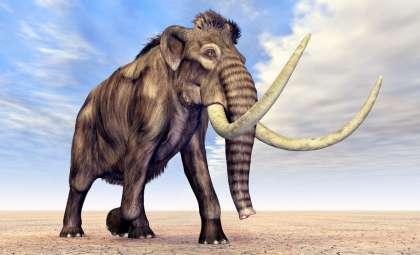
These majestic creatures were similar in scale to today’s African elephants. Adult males typically stood 2.7 to 3.4 meters tall at the shoulder, weighing as much as 6 metric tons. Females were somewhat smaller, measuring 2.6 to 2.9 meters and weighing up to 4 metric tons. Their defining feature was their elongated tusks, which evolved from their incisor teeth.

Dr. Grant Zazula, a paleontologist specializing in Ice Age fauna, expressed his excitement: “Meeting a real woolly mammoth has been a lifelong ambition. Nun cho ga is stunning and ranks among the most remarkable ice age mummified animals ever uncovered globally. I can’t wait to learn more about her.”
Woolly mammoths declined toward the close of the Pleistocene, vanishing from mainland populations. Yet, small groups endured on St. Paul Island until around 5,600 years ago, on Wrangel Island until roughly 4,000 years ago, and environmental DNA indicates they might have persisted in Yukon until 5,700 years ago.
Astonishing Goldfield Discovery in Yukon
This young female mammoth was entombed in permafrost over 30,000 years ago during a period when the Yukon was inhabited by a variety of Ice Age animals such as wild horses, cave lions, and giant steppe bison. Nun cho ga is comparable in size to “Lyuba,” a 42,000-year-old Siberian mammoth calf discovered in 2007, and “Effie,” a partial calf fossil found in a gold mine in Alaska’s interior in 1948.
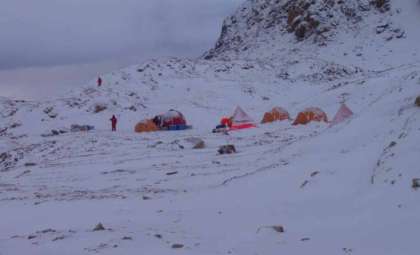
The find was made while mining operations were underway at Eureka Creek, near the Baker-Minook divide. A collaborative effort involving geologists from the Yukon Geological Survey, University of Calgary, the Klondike Placer Miners’ Association, and the Trʼondëk Hwëchʼin community allowed careful excavation and conservation of the remains. This partnership was crucial to recovering and preserving the specimen successfully.
Transformative Discovery for Yukon and Science
Ranj Pillai, Yukon’s Minister of Tourism and Culture, praised the region’s pioneering role in Ice Age and Beringia studies: “Yukon has long been a global leader in research on the Ice Age and Beringia. This extraordinary find of a mummified woolly mammoth calf, Nun cho ga, is cause for celebration. It would not have been possible without strong collaboration among placer miners, Trʼondëk Hwëchʼin, and the Yukon government.”
The discovery greatly enhances our understanding of prehistoric North American fauna. “This recovery is immensely important for our First Nation. We look forward to working with the Yukon government to ensure that the remains are treated in a manner that respects our customs, traditions, and laws,” he affirmed.
- Categories:
- News







0 comments
Sign in to Comment