
Researchers are advancing a groundbreaking strategy in cancer treatment that centers on interrupting a critical interaction between two proteins. This innovative technique promises a more targeted and potentially safer alternative to conventional therapies.
A New Paradigm: From Enzyme Targets to Protein Partnerships
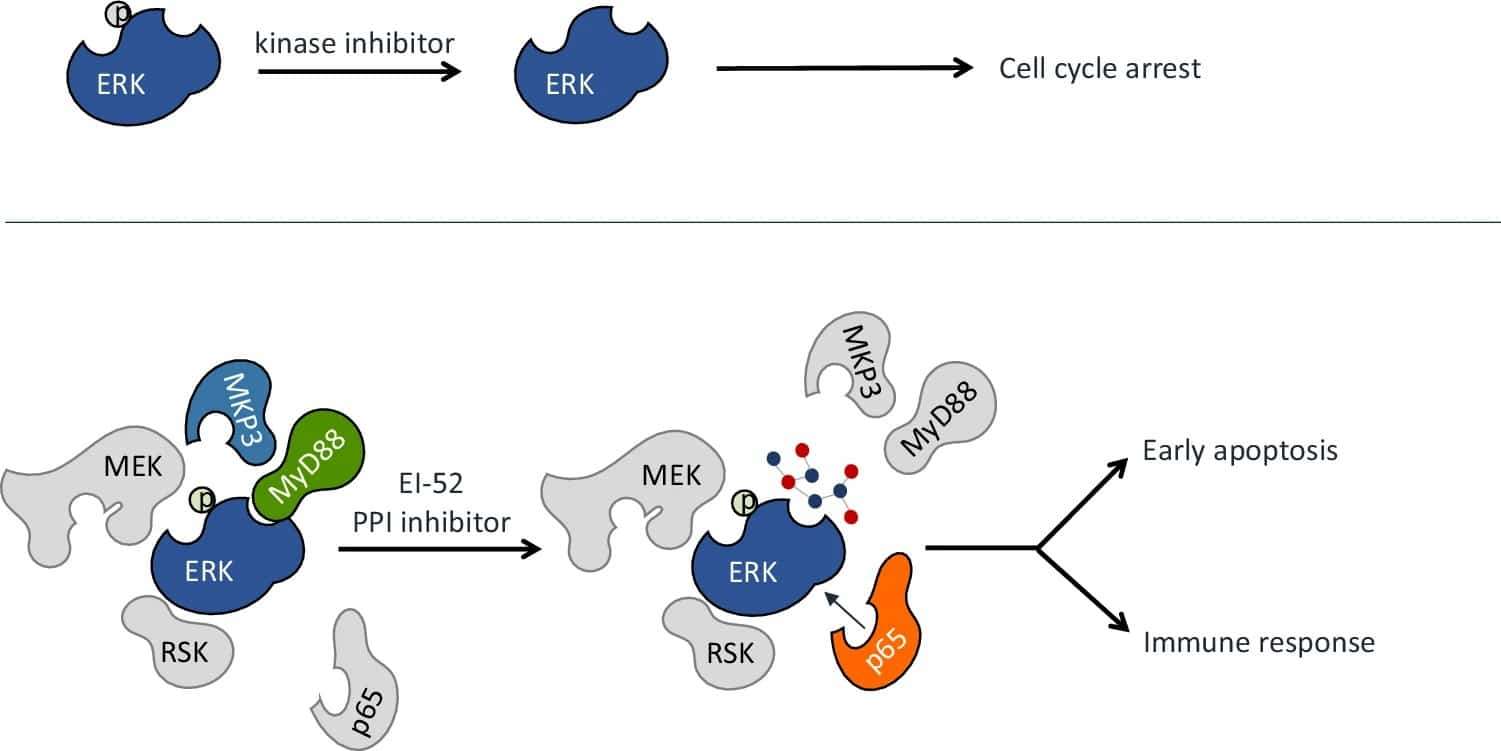
Common cancer therapies typically focus on inhibiting enzymes such as ERK (extracellular signal-regulated kinase), known for its role in promoting tumor proliferation. While these enzyme blockers can be effective, they are often challenged by drug resistance and the likelihood of cancer returning.
The emerging method introduces specialized inhibitors that selectively prevent the binding of ERK to MyD88 (myeloid differentiation primary response 88), a key protein in inflammatory signaling pathways. This disruption causes intense stress within cancer cells, triggering their death while sparing healthy cells from extensive collateral damage.

Key Insights from the Study:
- Target: Interaction between ERK and MyD88 proteins.
- Approach: Blocking protein interactions rather than enzyme activity.
- Impact on Cancer Cells: Induces cell stress culminating in apoptosis.
- Immune System Role: Stimulates immune cells to attack tumors.
- Experimental Models: Utilized mouse models and tumor cells derived from patients.
Harnessing Dual Benefits: Tumor Suppression and Immune Activation
This novel therapy not only shrinks tumors by interrupting ERK-MyD88 interaction but also stimulates the immune system to identify and destroy cancer cells, delivering a potent one-two punch against the disease.
Mechanism Comparison:
Benefits of Precision Targeting
The strategy demonstrates how zeroing in on protein interactions can improve treatment by:
- Reducing unintended effects by avoiding broad pathway inhibition.
- Lowering chances of tumor relapse through immune stimulation.
- Enhancing integration with existing cancer therapies.
This targeted method holds promise as a complementary tool to enhance current protocols.
Looking Ahead: Clinical Potential
Though still under preclinical examination, the findings published in Nature Communications under the title “Targeting ERK-MYD88 Interaction Leads to ERK Dysregulation and Immunogenic Cancer Cell Death” pave the way for upcoming clinical investigations.
Steps to Further Development:
- Expanded preclinical studies: Validating efficacy across varied models.
- Clinical trials: Evaluating safety, dosing, and therapeutic impact.
- Combination therapies: Potential co-use with chemotherapy or immunotherapy.
This advancement offers hope for highly effective cancer treatments with reduced side effects, potentially transforming oncology and improving patient outcomes globally.
- Categories:
- Health

















0 comments
Sign in to Comment