
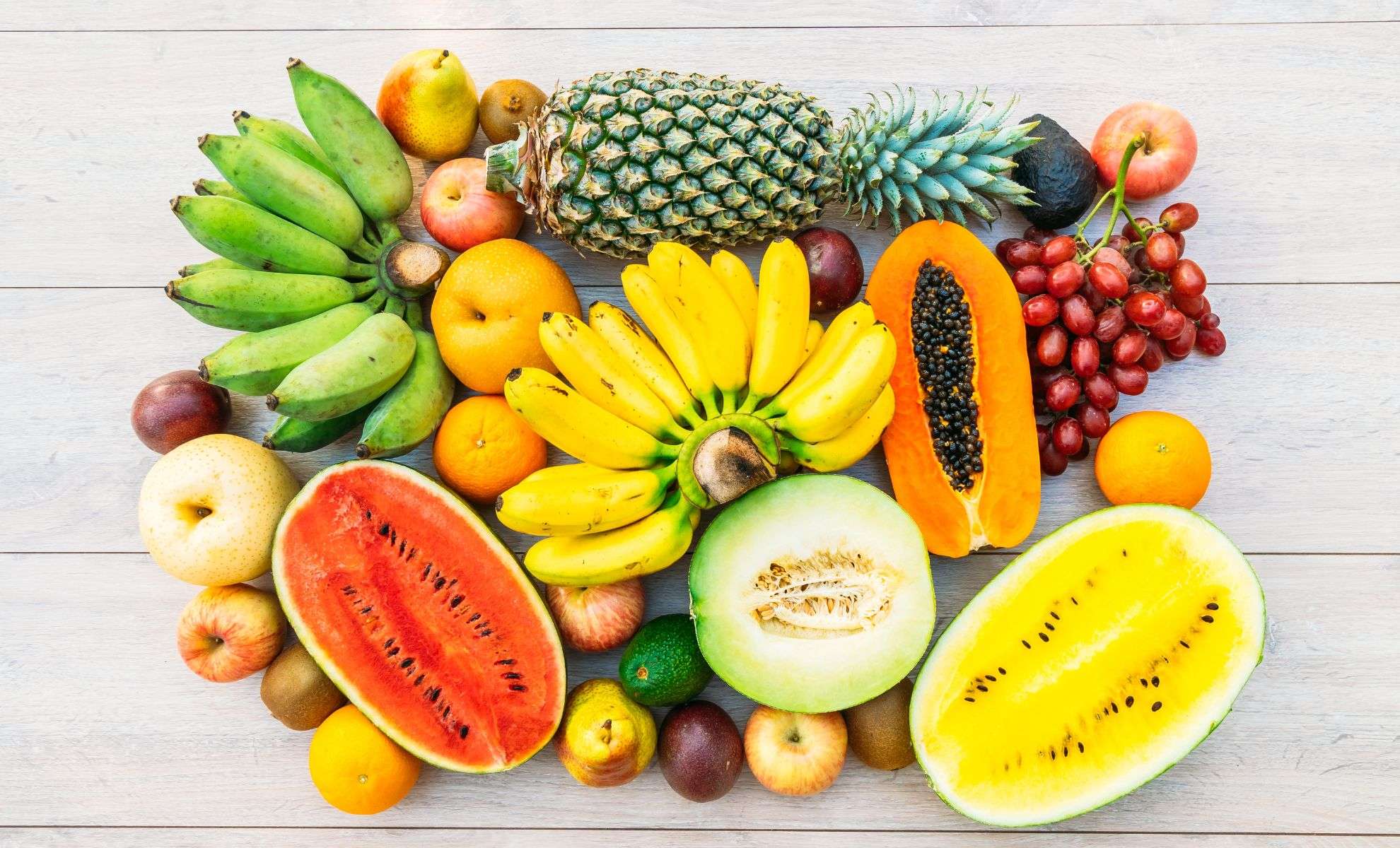
Experts in cancer nutrition now highlight pears as a potent fruit that may help lower cancer risk.
Nichole Andrews, a cancer dietitian based in Washington, points to the impressive health advantages of pears, a fruit packed with essential nutrients, antioxidants, and fiber that support cancer prevention.
Health-Boosting Components of Pears
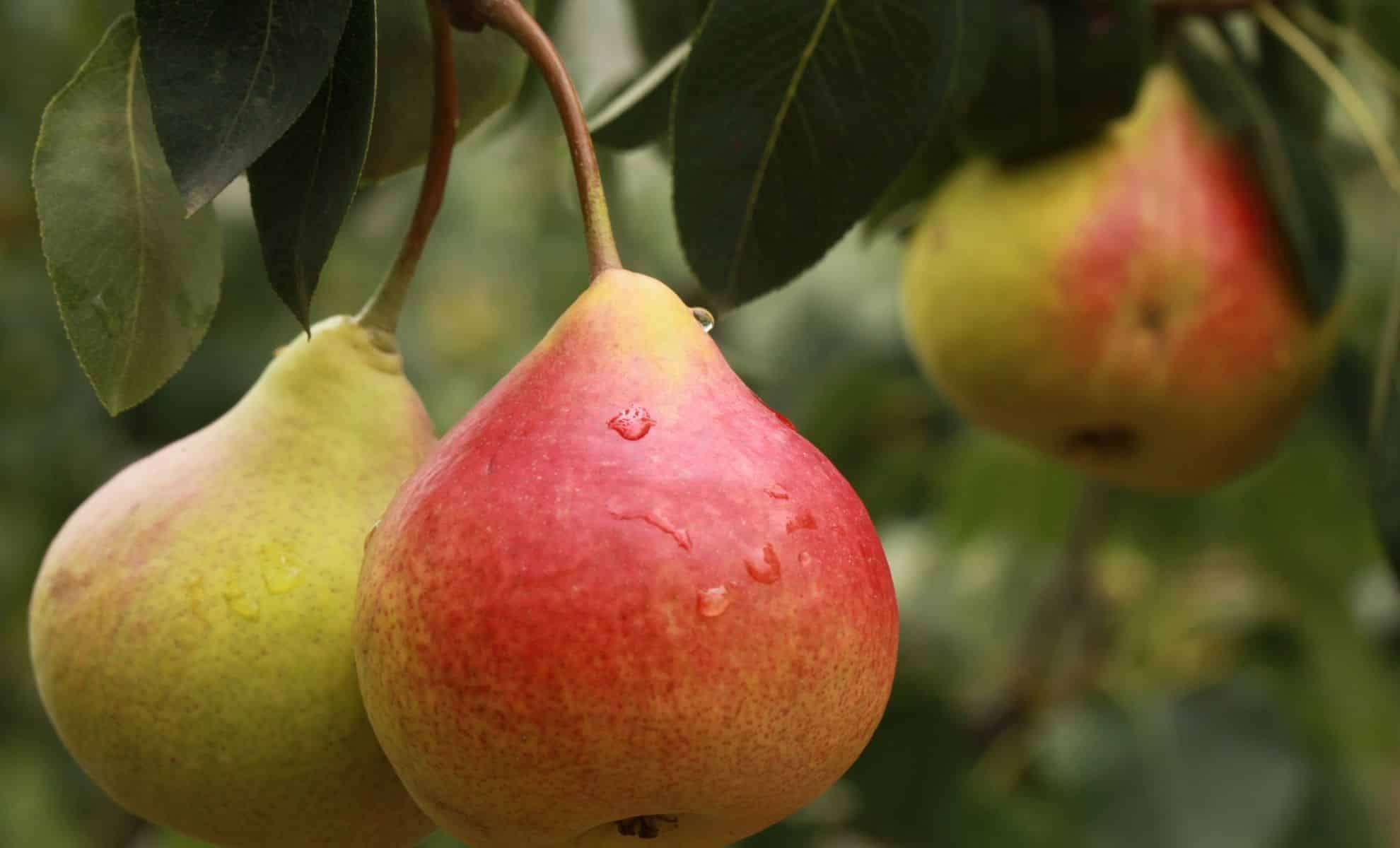
Pears offer an abundant supply of dietary fiber, which plays a key role in digestive health and is linked to a reduced risk of colorectal cancer. A medium pear provides approximately 6 grams of fiber, fulfilling about 21% of daily fiber recommendations. This fiber content helps maintain consistent digestion and prevents constipation, both important for colon health.

Fiber in pears also moderates the digestion of carbohydrates, leading to more stable blood sugar levels. This effect is especially beneficial for those at risk for Type 2 diabetes, with studies showing a 3% reduction in risk per portion consumed weekly.
Andrews notes that the bulk of this fiber resides in the pear’s skin, so eating them unpeeled not only delivers maximum nutrients but also enhances taste and texture. Pears thus offer a delicious and practical addition to cancer-preventive eating habits.
Vitamins, Minerals, and Protective Compounds in Pears
Pears are loaded with vitamins and antioxidants. Each medium pear contains about 8 mg of vitamin C, a nutrient essential for immune defense and protective effects against cancers such as those of the breast and lung. The recommended daily intake of vitamin C is 90 mg for men and 75 mg for women, making pears a helpful component in meeting nutrient goals.
Beyond vitamin C, pears provide potassium, which supports heart health and helps manage blood pressure. They also contain anthocyanins, which may shield the heart, and flavonoids known for their anti-inflammatory properties — important as persistent inflammation is a major cancer risk factor.
Pears contribute other vital nutrients like vitamin K, necessary for blood coagulation and bone strength, and copper, which functions as an antioxidant protecting cells. This wide-ranging nutrient profile makes pears an excellent choice for overall wellness and cancer defense.
Easy Ways to Add Pears to Your Eating Plan
Pears are both nutritious and versatile. They can be savored fresh as a crisp snack, diced into salads to add sweetness and crunch, or baked into desserts that retain their nourishing qualities.

Fresh pears are generally the most nutrient-rich option. Beth Czerwony, a registered dietitian at Cleveland Clinic, explains, “Fresh fruits tend to retain the most nutrients. Frozen fruits come close, but canning often diminishes some vitamins due to heat.” This guidance helps maximize pears’ health benefits through smart food choices.
Nichole Andrews stresses that avoiding cancer isn’t about one miracle food but about an overall healthy diet. She encourages eating plenty of whole foods like pears while minimizing processed products to promote longevity and wellness.
Including pears regularly in your diet offers an effective and tasty approach to lowering cancer risk. Their abundant fiber, rich vitamin and antioxidant content, plus culinary flexibility make them a valuable addition to any health-oriented lifestyle. As part of diverse, balanced nutrition, pears contribute significantly to disease prevention and maintaining vitality.

















0 comments
Sign in to Comment