
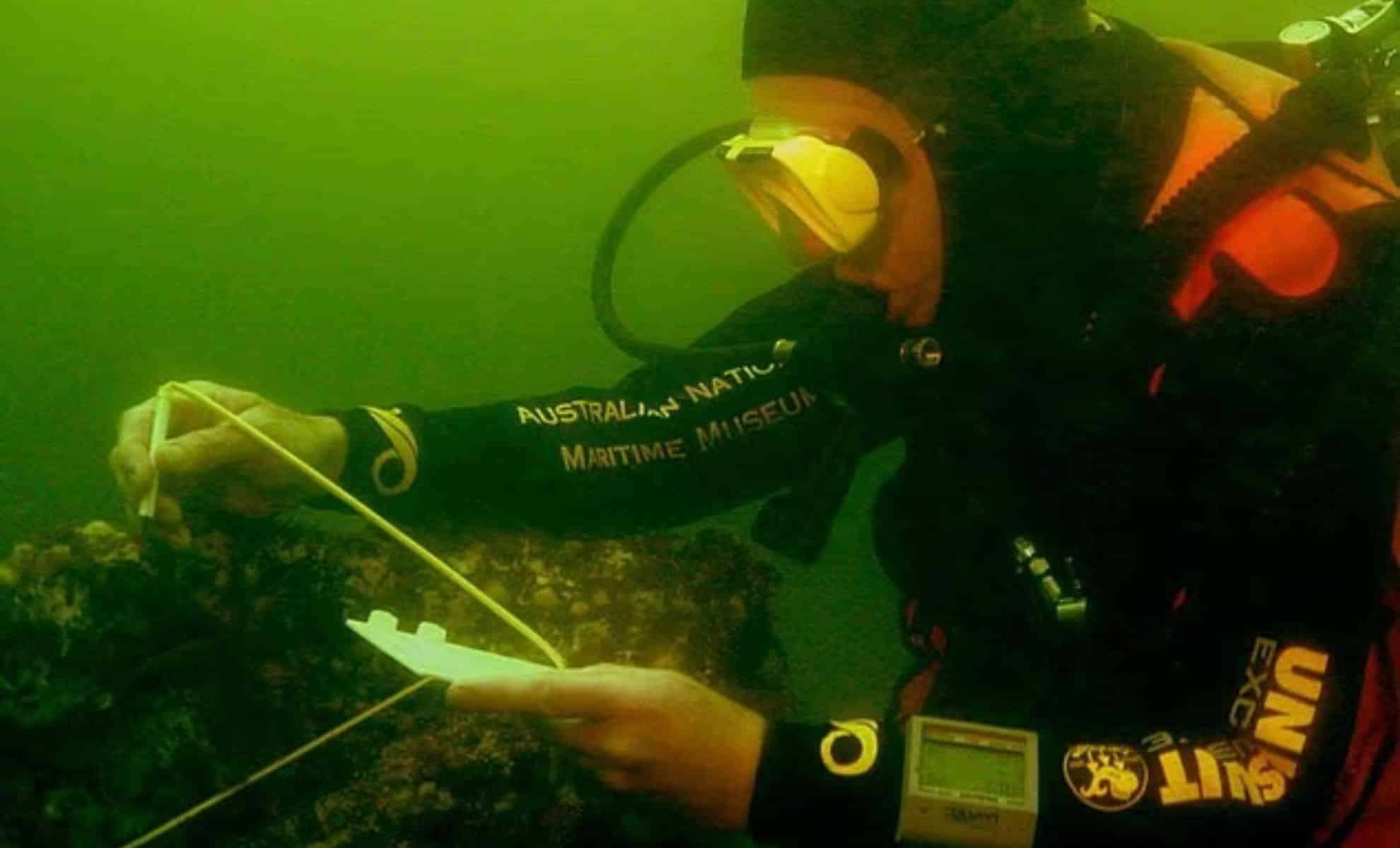
Captain James Cook’s famed vessel, the HMS Endeavour, instrumental in mapping the coastlines of Australia and New Zealand, has at last been located. Following over 250 years of uncertainty, researchers have confirmed the ship’s wreck lies submerged in Newport Harbor, Rhode Island. This breakthrough caps more than 25 years of dedicated underwater investigations and scholarly study.
A Voyage of Historic Importance
From 1768 to 1771, the Endeavour became the pioneer European ship to reach Australia’s east coast and circumnavigate New Zealand’s main islands. Under Captain Cook’s leadership, the vessel was crucial in unveiling uncharted lands for the British Empire. After its landmark expedition, the ship was repurposed as a troop carrier before being sold in 1775.
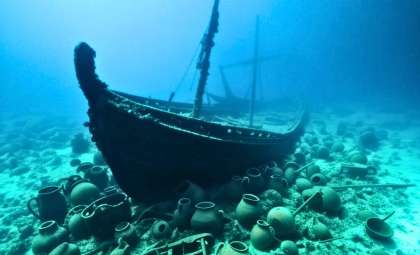
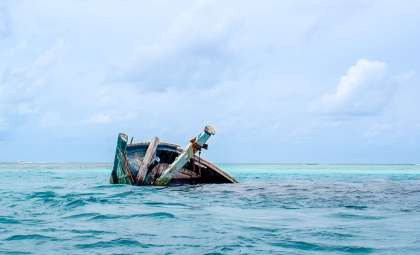
Renamed Lord Sandwich, the ship met its fate during the American Revolutionary War in 1778, when it was deliberately sunk off Rhode Island’s shore, becoming one of five vessels scuttled in Newport Harbor. For over two centuries, its precise resting place remained unknown, inspiring countless explorations and theories.

Experts Verify the Wreck’s True Identity
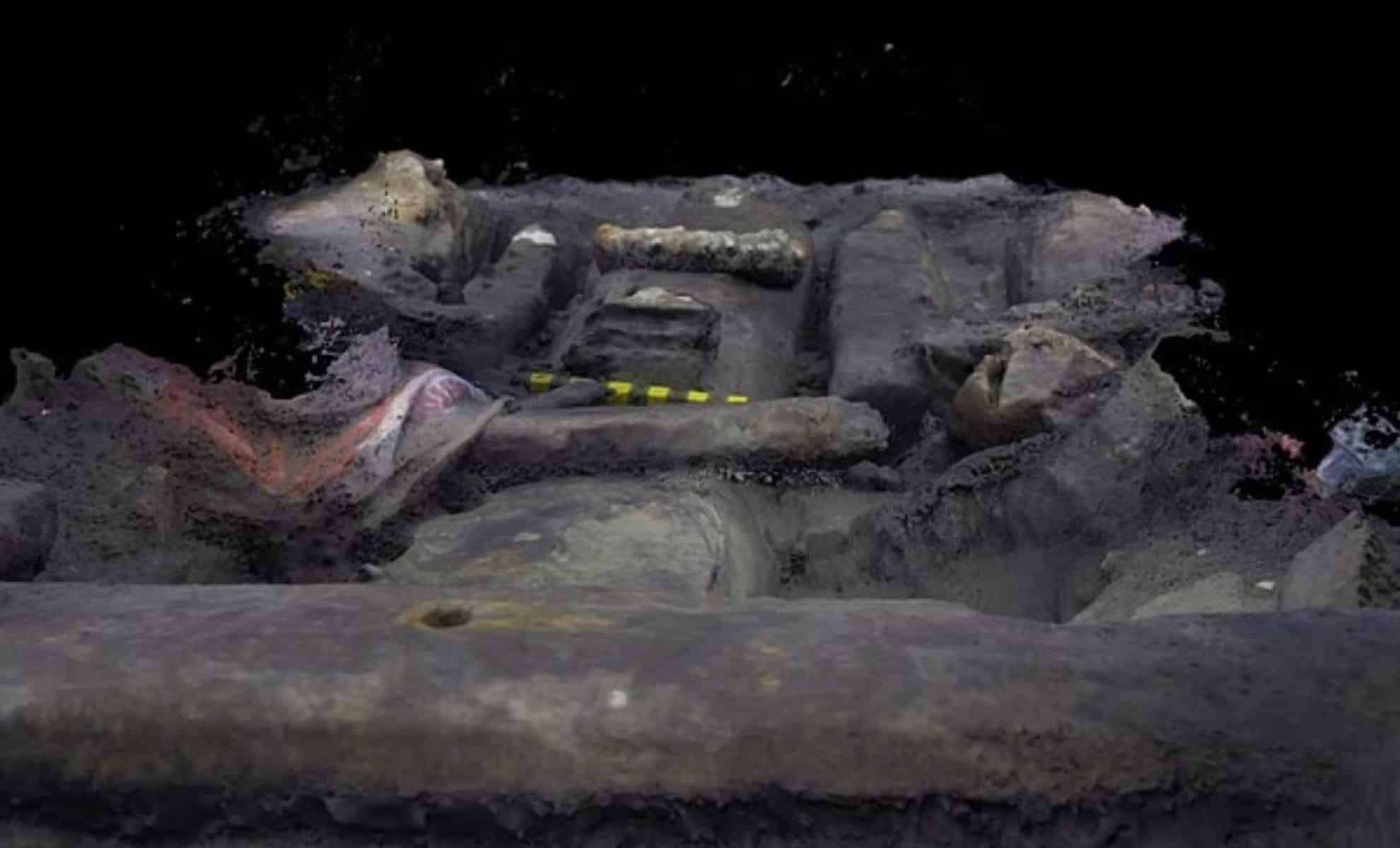
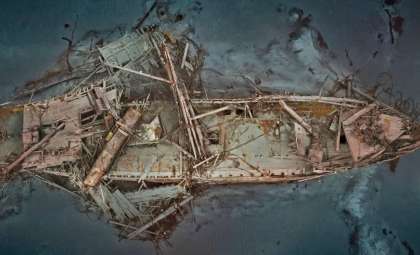
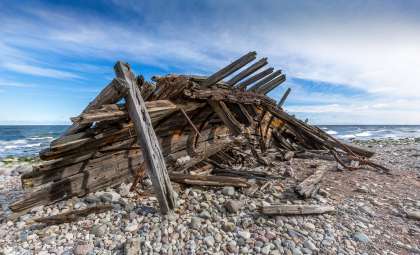
In a landmark find, archaeologists from the Australian National Maritime Museum (ANMM) have positively identified the vessel known as RI 2394 as the Endeavour. This conclusion was reached by comparing the wood structure and layout of the wreck to historical shipbuilding plans. The wreck’s measurements align closely with a 1768 survey of the original Endeavour, and European-origin timber further supports records of the ship’s repairs in 1776.
ANMM archaeologist Kieran Hosty commented, “We have numerous factors indicating that RI 2394 is indeed HMB Endeavour. The dimensions of the timbers are nearly exact—down to the millimeter.”
Although roughly only 15% of the ship’s remains survive, ongoing efforts are focused on conserving this valuable archaeological site.
The Historical Significance of This Discovery
The Endeavour was far more than a mere vessel; it symbolized British exploration and curiosity about the natural world. It was the first European ship to make contact with Australia, and uncovering its wreck in Newport Harbor connects us directly to one of maritime history’s most pivotal eras.
Despite the excitement, the identification has stirred debate. When ANMM shared initial findings in 2022, some affiliated groups like the Rhode Island Marine Archaeology Project (RIMAP) voiced skepticism, describing the claim as “premature.” However, the ANMM team stands firmly behind their conclusion, which is supported by mounting evidence.
Hosty noted, “There’s no obvious marker saying ‘Cook was here’. We won’t find any artifacts on site that explicitly declare it’s the Endeavour.”
The Enduring Impact of the Endeavour
The story of the Endeavour continues to fascinate historians and maritime enthusiasts. Its significance extends beyond its voyages, highlighting the resilience of the ship and crew during a seminal era of exploration. The identification of the wreck in Newport Harbor closes a long-standing mystery through research and submerged archaeological work, preserving its narrative for future generations.
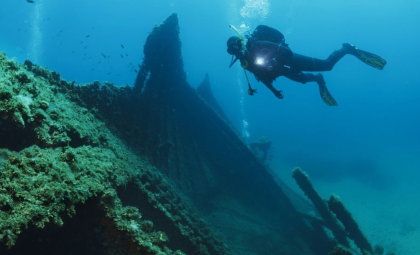
Though intentionally sunk, discovering the Endeavour is a significant milestone in maritime archaeology. The next challenge lies in safeguarding what remains, requiring ongoing conservation and study.
As researchers press forward, the confirmation of the Endeavour shipwreck serves as a powerful reminder of the vessel’s lasting legacy and the ocean’s untold stories yet to be revealed.
- Categories:
- News



0 comments
Sign in to Comment