

Otters, known for their playful nature and expert hunting capabilities, play a crucial role in maintaining the balance of fish and shellfish populations in freshwater ecosystems. Among the three otter species native to Nepal, the smooth-coated otter is increasingly threatened by factors like excessive fishing, habitat degradation, pollution, and the fur trade. A focused conservation initiative is making strides to protect these otters and aid the local communities that depend on the Lower Karnali River.
Community Efforts Quietly Driving Otter Conservation
The World Wide Fund for Nature (WWF) is spearheading a three-year conservation program targeting the Lower Karnali Watershed, home to Indigenous communities such as the Sonaha and Tharu, who have long depended on the river’s resources.
Amit Sonaha from the Sonaha community shares, “The river shapes our lives daily. We Sonaha thrive because of the river and suffer when it is harmed.” Harmful fishing methods and unregulated extraction of natural materials have severely depleted fish stocks and damaged breeding areas, impacting both aquatic species and livelihoods.

As detailed by Discover Wildlife, the WWF collaborates with local leaders, forest authorities, and community forest groups to devise effective conservation strategies. Fifteen Community River Stretch Management Groups actively oversee the river to curb illegal activities. Moreover, 375 locals have been educated in fishing techniques that align with fish reproductive cycles and ancestral customs. Komal Sonaha, an enthusiastic conservationist, comments, “I proudly serve as an otter advocate, leading awareness efforts through our local river management group.”
The program includes a citizen science initiative and monitoring framework specific to smooth-coated otters. Komal reflects on her transformation: “From Komal to ‘Uduwa waali’—the Otter Lady—my role in otter conservation has become a vital part of my identity within our community.”
Astonishing Rediscovery After 185 Years
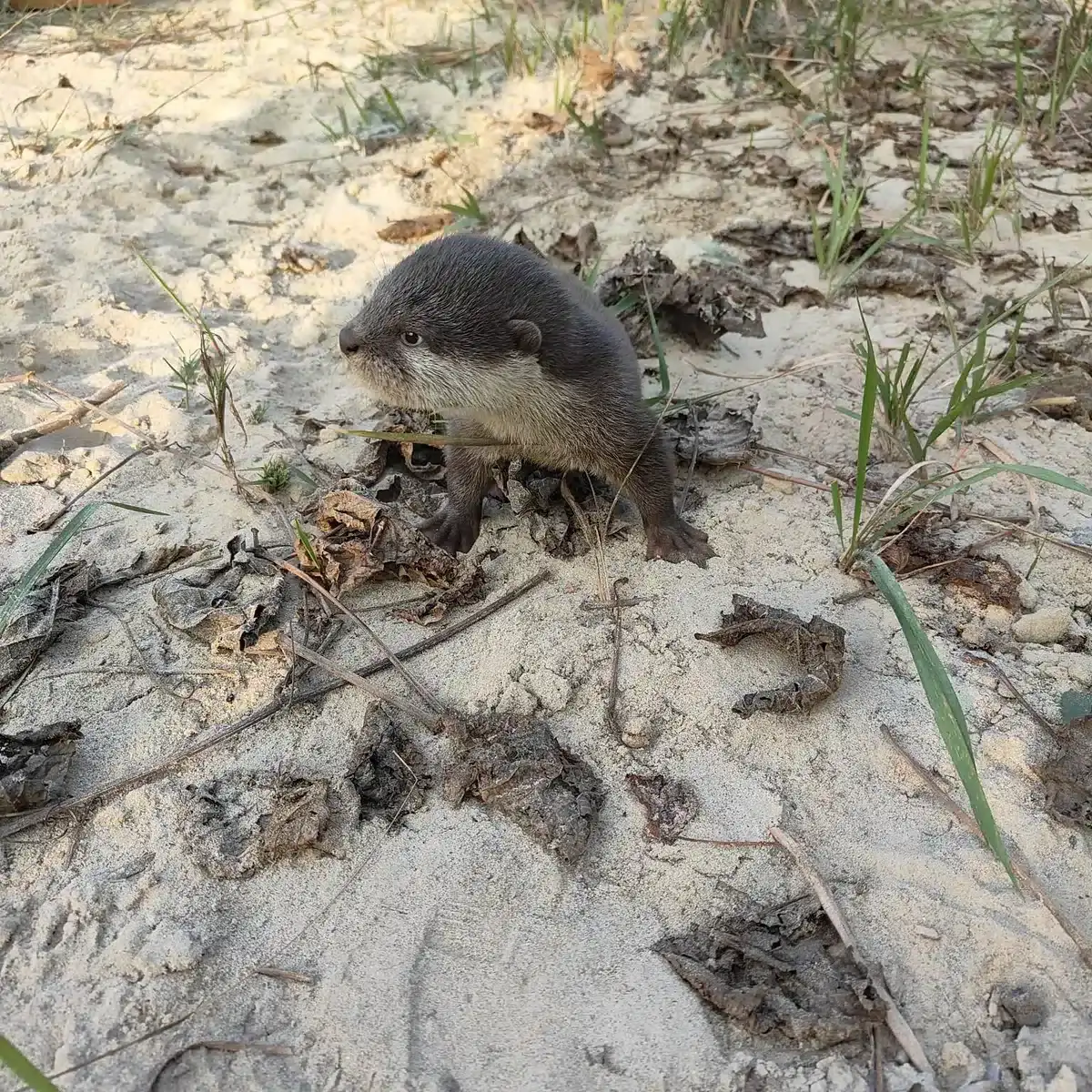
The highlight of this conservation effort has been the unexpected rediscovery of the Asian small-clawed otter in Nepal after an absence of 185 years. In November 2024, a juvenile was spotted near the junction of the Rangun and Puntara Rivers in Dadeldhura district, reinvigorating hopes for this tiny otter’s future.
This species, known as the world's smallest otter, now joins the smooth-coated and Eurasian otters in enriching Nepal's wildlife diversity. Its presence underscores the critical need for ongoing conservation work. The return of the Asian small-clawed otter inspires scientists, conservation professionals, and Indigenous communities alike to protect the rich natural legacy of the Karnali watershed.
What Lies Ahead for Otter Conservation?
An Otter Conservation Action Plan is currently under development, designed to unify efforts aimed at safeguarding otters and their habitats throughout Nepal. WWF’s integrated strategy emphasizes ecological conservation alongside the well-being of Indigenous peoples, promoting a cooperative model of environmental stewardship that could serve as an example elsewhere.
By fostering community involvement, encouraging sustainable livelihoods, and enhancing scientific monitoring, this initiative charts a hopeful course for the survival of otter species and the vital ecosystems they support.
- Categories:
- News












0 comments
Sign in to Comment