
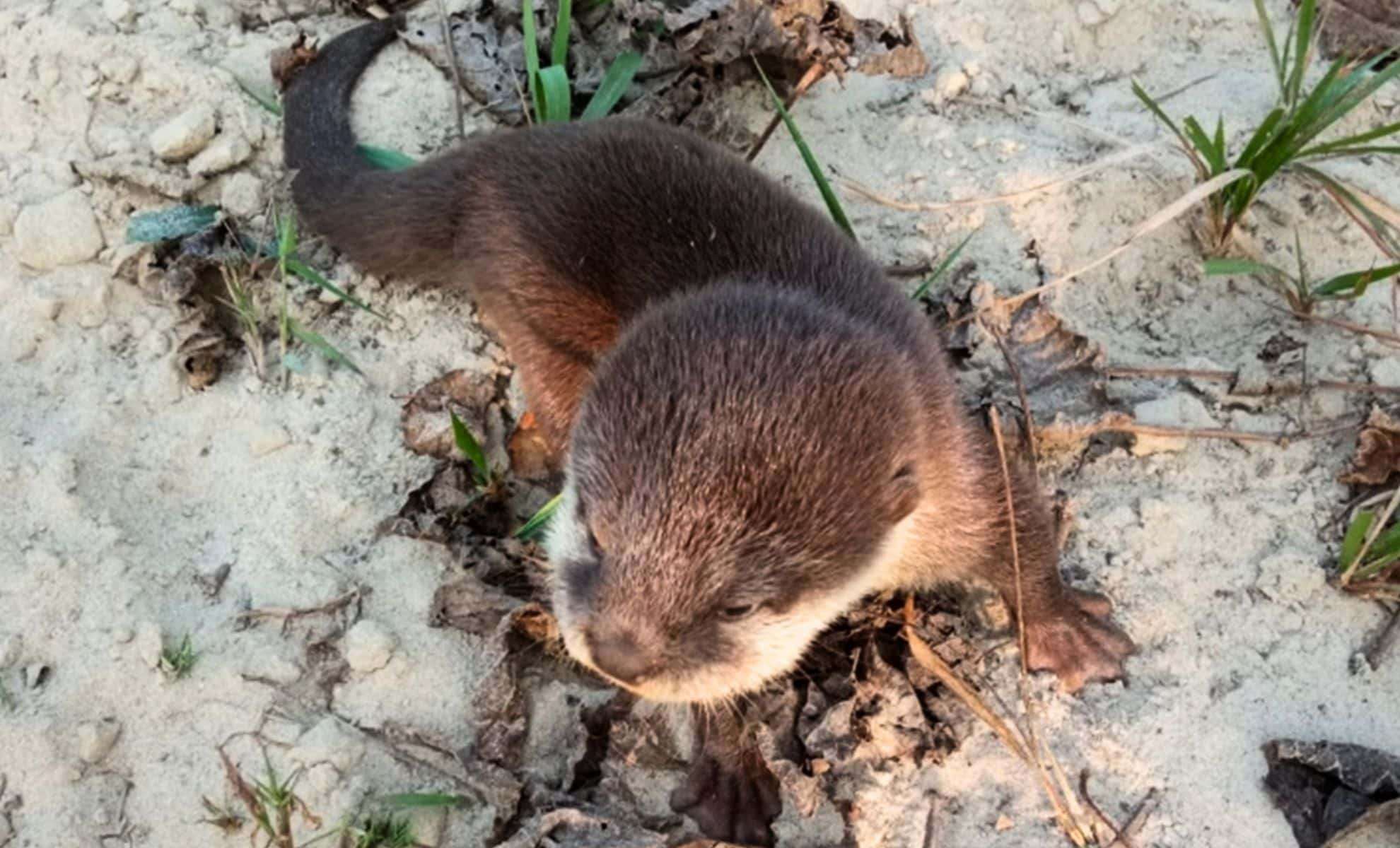
Deep within western Nepal’s secluded landscapes, a tiny otter species once believed lost has resurfaced. The Asian small-clawed otter, recognized as the world’s smallest otter, has been officially recorded here after almost 200 years of absence, challenging previous beliefs about regional wildlife decline and offering renewed optimism for endangered species.
Ending Nearly 200 Years of Mystery
The Aonyx cinereus went unobserved in Nepal since its last documented sighting in 1839. Sporadic eyewitness accounts from places like Makalu Barun and Kailali never provided conclusive proof of its presence. This long gap led many experts to presume the otter extinct within the country, and field efforts diminished accordingly.
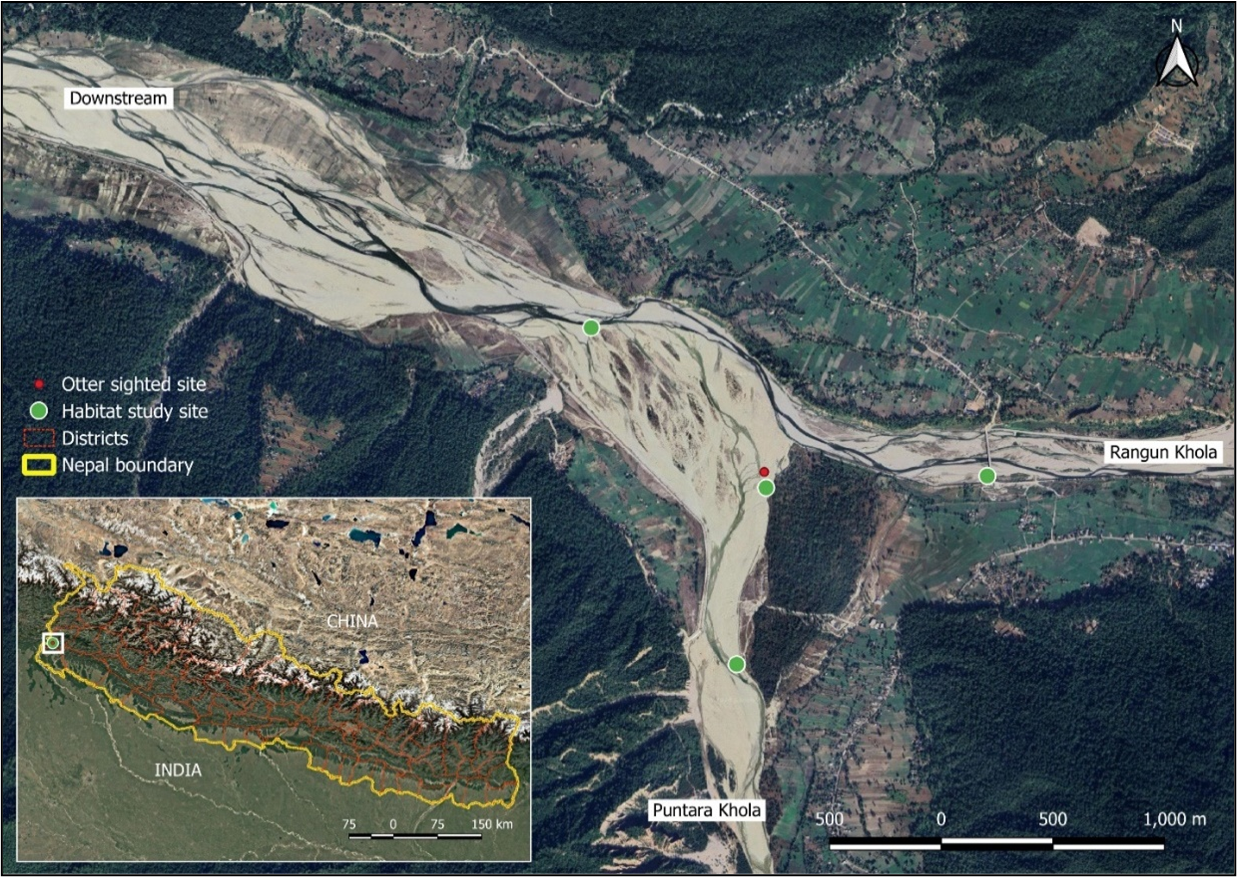
That narrative changed dramatically in November 2024, when forest rangers in the remote Dadeldhura district came across a juvenile otter suffering from poor health. Though its species was initially uncertain, after photographing and consulting with specialists, it was identified as the Asian small-clawed otter. This finding officially marks the species’ return to Nepal’s wildlife roster after nearly two centuries.

Rediscovery Validated by Experts
As reported by Mongabay, this remarkable rediscovery was confirmed in early 2025 through the efforts of the International Union for Conservation of Nature (IUCN). Key to the identification was Mohan Bikram Shrestha from the Central University of Forestry Sciences in Changsha, who helped authenticate the species using images and video taken before releasing the otter back to its habitat.
This revelation has sparked enthusiasm across scientific circles and revived hope for the persistence of species presumed lost. It also shines a spotlight on Nepal’s unexplored habitats, prompting the question: what other rare animals might still be dwelling undetected in these remote territories?
Protecting a Delicate Ecosystem
Despite the joyous rediscovery, the Asian small-clawed otter’s survival is precarious. The Dadeldhura district faces several ecological risks, including riverbank erosion caused by extensive sand and stone mining. Other human pressures like polluted agricultural runoff, hydroelectric development, and harmful fishing methods threaten the fragile watersheds vital for this species.
Local stewardship has begun to strengthen conservation prospects. The World Wildlife Fund (WWF) collaborates with the indigenous Sonaha people along the Karnali River to encourage eco-friendly fishing and preserve aquatic biodiversity. The otter’s reappearance has intensified calls to incorporate it into formal protection programs nationwide.
Detailed documentation of this rediscovery is accessible in the IUCN/SSC Otter Specialist Group Bulletin.
- Categories:
- News












0 comments
Sign in to Comment