
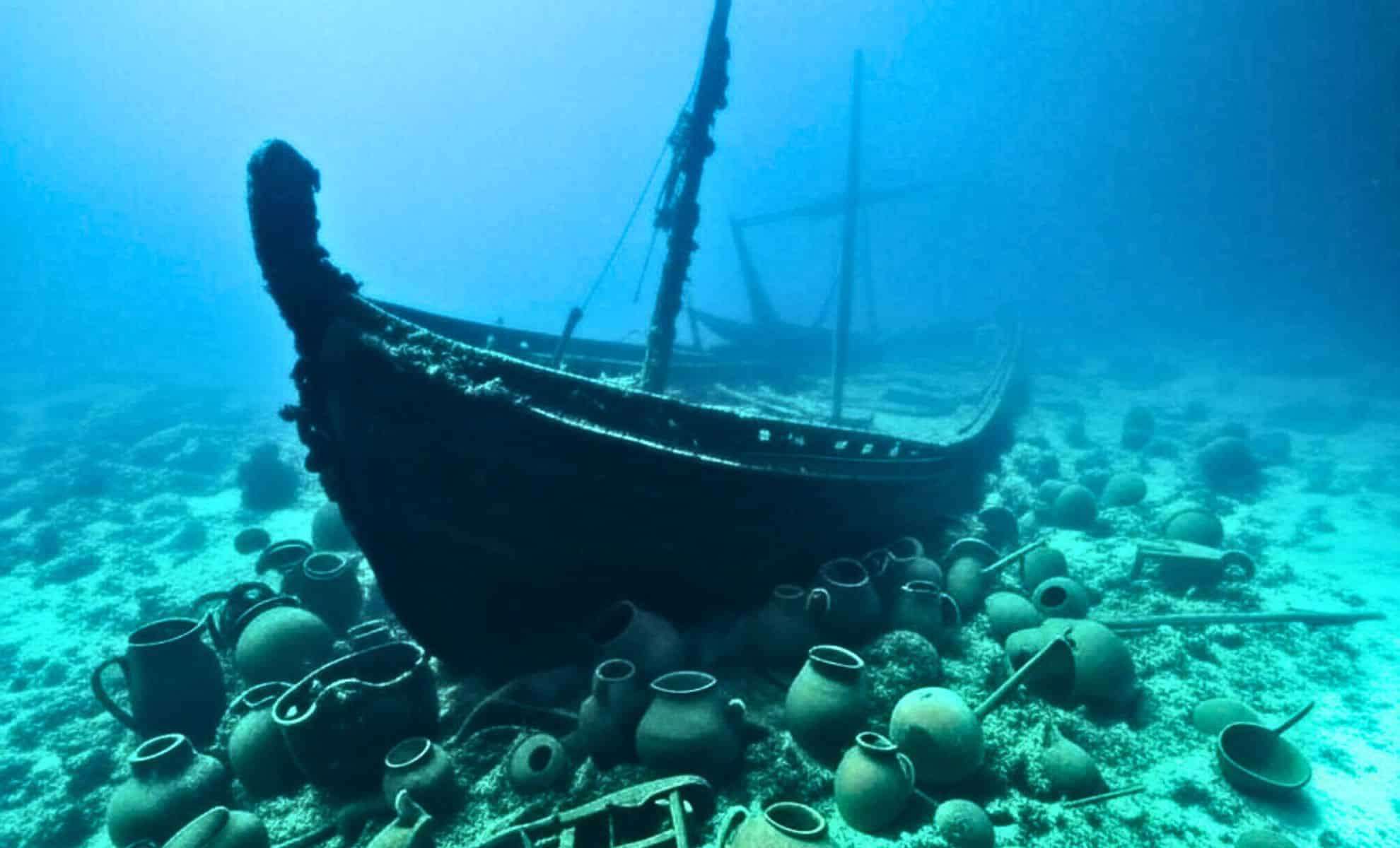
The Mazarrón II, a Phoenician vessel dating back approximately 2,600 years, has been carefully retrieved from underwater off Spain’s southeastern shoreline. This important recovery offers fresh perspectives on Phoenician shipbuilding and maritime practices.
Experts in archaeology are celebrating Mazarrón II as one of the best-preserved Phoenician ships ever found. Initially discovered in 1994, the ship remained astonishingly intact through centuries underwater, unlocking an exceptional chance to study the naval craftsmanship of this ancient seafaring culture.
Decoding the Importance of the Mazarrón II Shipwreck
The vessel, believed to originate from the 7th century BCE, was located near Mazarrón in the Murcia region along Spain’s Mediterranean coast. Resting in shallow waters, it was shielded by a layer of sand that sustained its wooden framework for over 2,000 years. Researchers think the ship foundered in a sudden storm, sinking and becoming covered by protective sediment layers beneath the sea.

The operation to raise the ship was driven by threats from modern coastal activity and shifting sea currents, which had begun to degrade the sandy covering preserving the wreck. Carlos de Juan, head of the excavation and a University of Valencia scholar, explained, “This sandy layer is like a protective chest preserving the ship till now. What was once a calamity has turned into a priceless boon for archaeology.”
Distinctive Attributes of Mazarrón II
Researchers emphasized several unique features of this find:
- Preservation State: The wooden hull and native craftsmanship remain largely undamaged—a rare condition for a Phoenician artifact.
- Historical Value: As one of the most complete Phoenician shipwrecks uncovered, it offers unparalleled insights into maritime technology previously overshadowed by cultures like the Greeks and Romans.
Safeguarding an Underwater Treasure
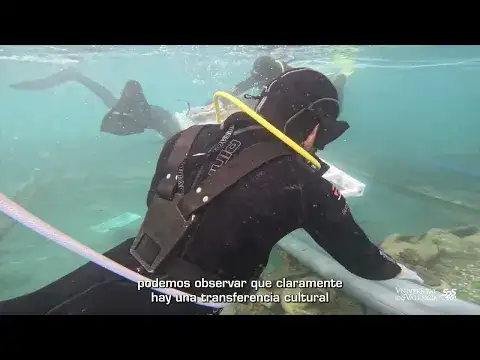
A dedicated team of 14 experts, led by the University of Valencia and supported by Murcia’s cultural ministry, carried out the delicate extraction from September 13 to November 7, 2024. Divers carefully lifted wooden components to the surface where they were taken to the Museum of Underwater Archaeology in Cartagena for conservation.
The vessel’s construction reveals distinctive Phoenician design features blended with regional influences, likely optimized for Mediterranean trade. Preliminary studies indicate advanced shipbuilding skills that prioritized sturdiness and practical use.
De Juan remarked on the discovery’s urgency, “The wreck can no longer stay on the seabed as its sandy shield is vanishing. Having endured centuries underwater, we must now preserve this cultural treasure for future generations.”
Legacy of the Phoenician Mariners
The Phoenician civilization, centered in today’s Lebanon, Syria, and Israel, flourished from roughly 1500 to 300 BCE. Celebrated for their innovations in shipping and commerce, they forged extensive Mediterranean trade networks. Yet, intact examples of their ships have been extremely rare.
The recovery of Mazarrón II fills a crucial gap in knowledge about Phoenician naval ingenuity and adaptability to maritime trade challenges. Studying this ship provides an unprecedented glimpse into their seafaring legacy.
This exceptional find ensures that the pioneering achievements of the Phoenicians continue to illuminate archaeological research today.






0 comments
Sign in to Comment