
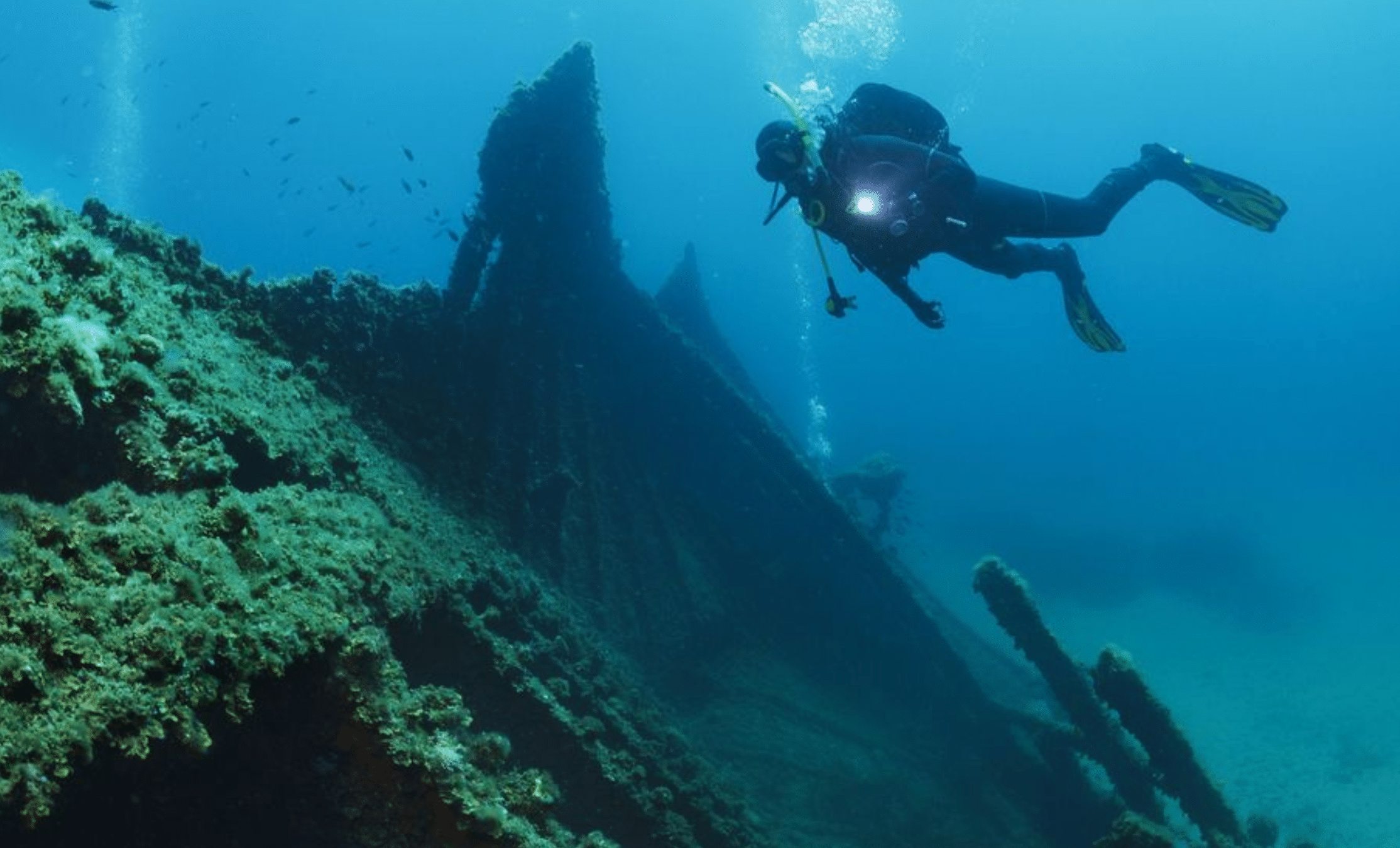
In the shimmering waters off southern Sicily, experts in archaeology have uncovered an extraordinary shipwreck dating back approximately 2,500 years. Hidden beneath nearly 20 feet of sediment, this vessel, believed to be from the fifth or sixth century B.C., reveals a vital chapter in Mediterranean history when the sea was a central hub of trade, interaction, and rivalry among ancient powers.
Located close to Sicily, a historical crossroads for many early civilizations, this finding not only highlights the island’s strategic maritime importance but also provides new insights into ancient shipbuilding practices. The shipwreck and its artifacts offer fresh perspectives on the commercial networks and seafaring expertise that flourished well before the ascendancy of Rome. This discovery forms part of a wider initiative aimed at uncovering and safeguarding the Mediterranean's submerged historical treasures, showcasing the skill and determination of ancient maritime cultures.
Revealing Ancient Trade Lanes: The 2,500-Year-Old Ship
This shipwreck, buried beneath layers of sand and rock, dates from the transitional period between the archaic and classical phases of Greek history. During this era, the Mediterranean Basin was a vibrant trade corridor, with Sicily playing a critical role. The vessel was constructed using an advanced “on-shell technique,” where wooden planks interlock to form a sturdy, self-supporting hull.

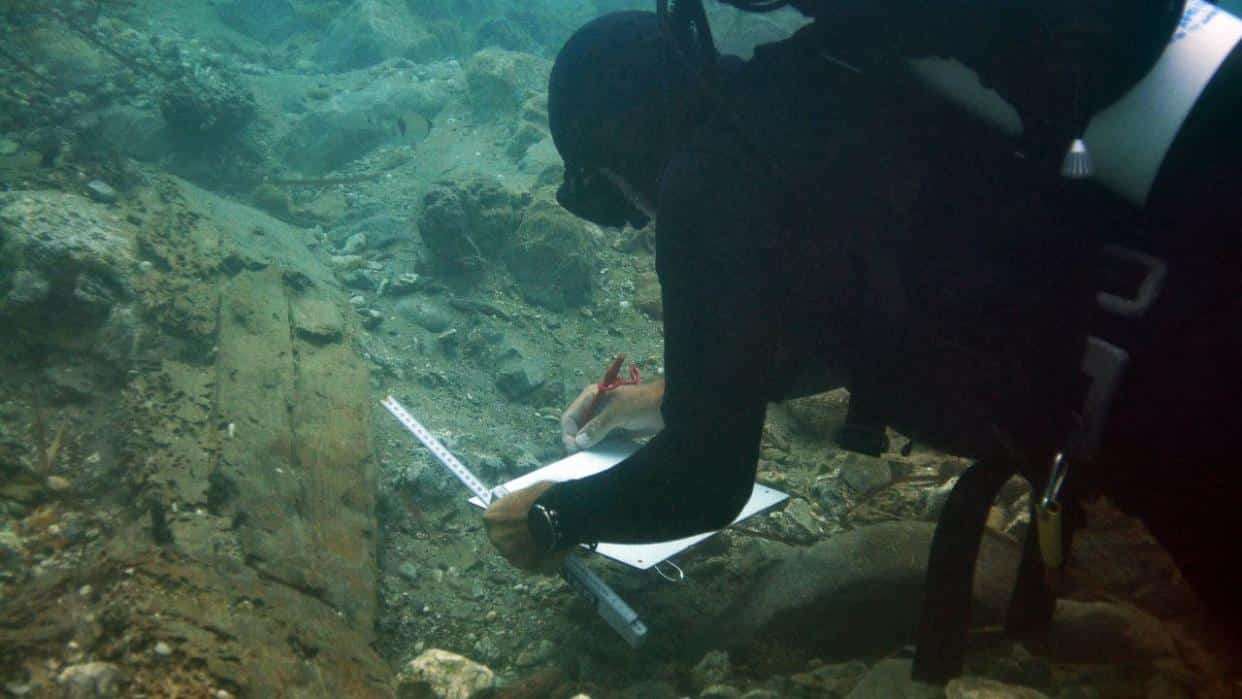
Massimo Capulli, a professor specializing in underwater and naval archaeology at the University of Udine, highlighted the delicate nature of the wreck: “The hull's current fragile state, due to prolonged mollusk deterioration, demands both precision and great care during excavation.”
This discovery holds significance not only because of its architecture but also for the historical connections it represents. The ship's location and build provide new evidence about the extensive ancient trade networks that linked competing cultures, such as Greeks and Punics, in their struggle for supremacy in the Mediterranean long before Rome’s dominance.
Highlights of the Discovery:
- Historical Era: Fifth to sixth century B.C., marking a key Greek cultural transition.
- Building Technique: Utilized the innovative on-shell technique for the hull structure.
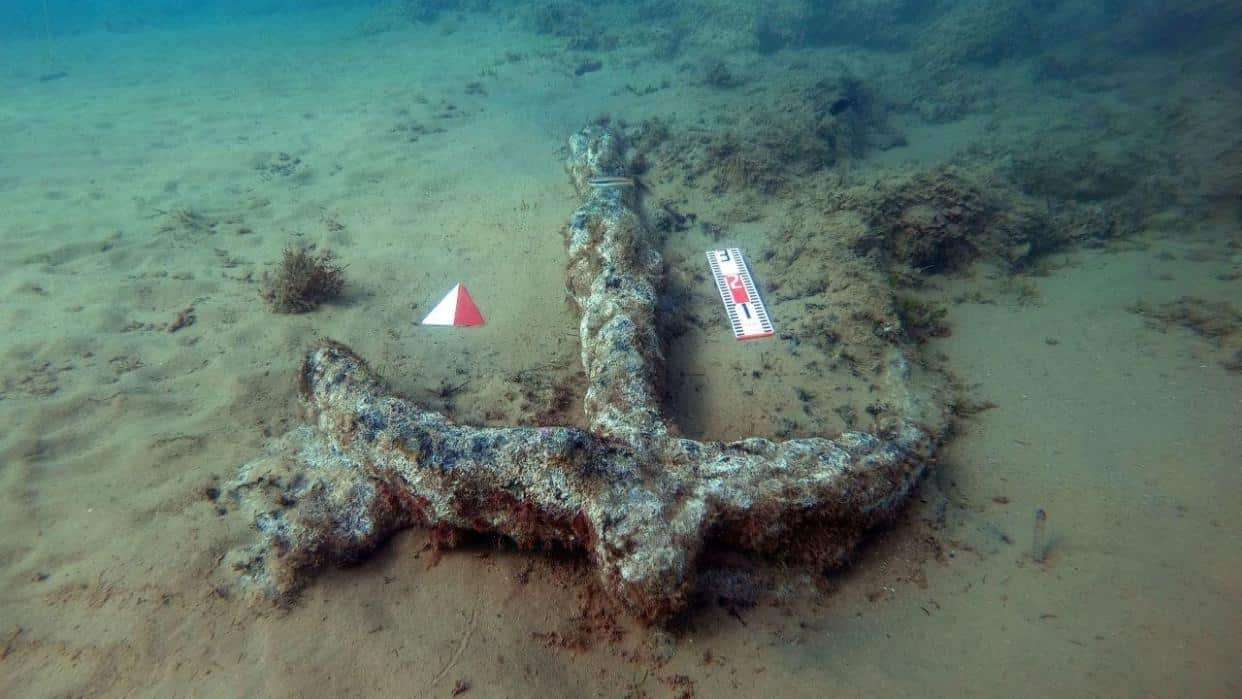
- Recovered Items: Six anchors reflecting various historical phases.
- Contextual Insight: Evidence of Greek-Punic maritime rivalry and commerce.
Advancing Knowledge of Early Maritime Engineering
The construction style of the ship is particularly striking. Using the on-shell method, the planks created a self-reinforcing hull, with structural frames added for additional support, reflecting sophisticated naval engineering for the period.
Professor Capulli noted that this expedition delivers “concrete proof of the trade networks and economic exchanges from a very early epoch,” at a time marked by intense competition between Greeks and Punics for control over Mediterranean navigation. The shipwreck stands as a physical record of the deep connections among ancient cultures.
Protecting Sicily’s Submerged History Through the Kaukana Project
This ancient ship is part of the Kaukana Project, initiated in 2017 with the goal of investigating and preserving the underwater cultural heritage around Sicily. The venture unites the efforts of the Sicilian Region’s Superintendent of the Sea and the University of Udine’s Department of Humanistic Studies and Cultural Heritage.
Francesco Paolo Scarpinato, a cultural heritage official, emphasized the artifact’s significance: “We are confronting tangible remains of commerce from a very distant past,” calling the shipwreck a “valuable jewel of Sicily’s submerged cultural legacy.”
Continuing Endeavors to Secure the Past
Ongoing research aims to study and conserve this fragile wreck, prioritizing its delicate state. Archaeologists hope further finds will emerge to shed more light on the vessel's journey and the extensive trade pathways it once frequented. This discovery reinforces how much history remains concealed beneath the ocean surface, waiting to be brought to light.
As a 2,500-year-old relic, this shipwreck highlights the Mediterranean’s fundamental role as the birthplace of early commerce and cultural exchange. Through diligent exploration and preservation, researchers continue piecing together the story of a dynamic ancient world.
- Categories:
- News









0 comments
Sign in to Comment