
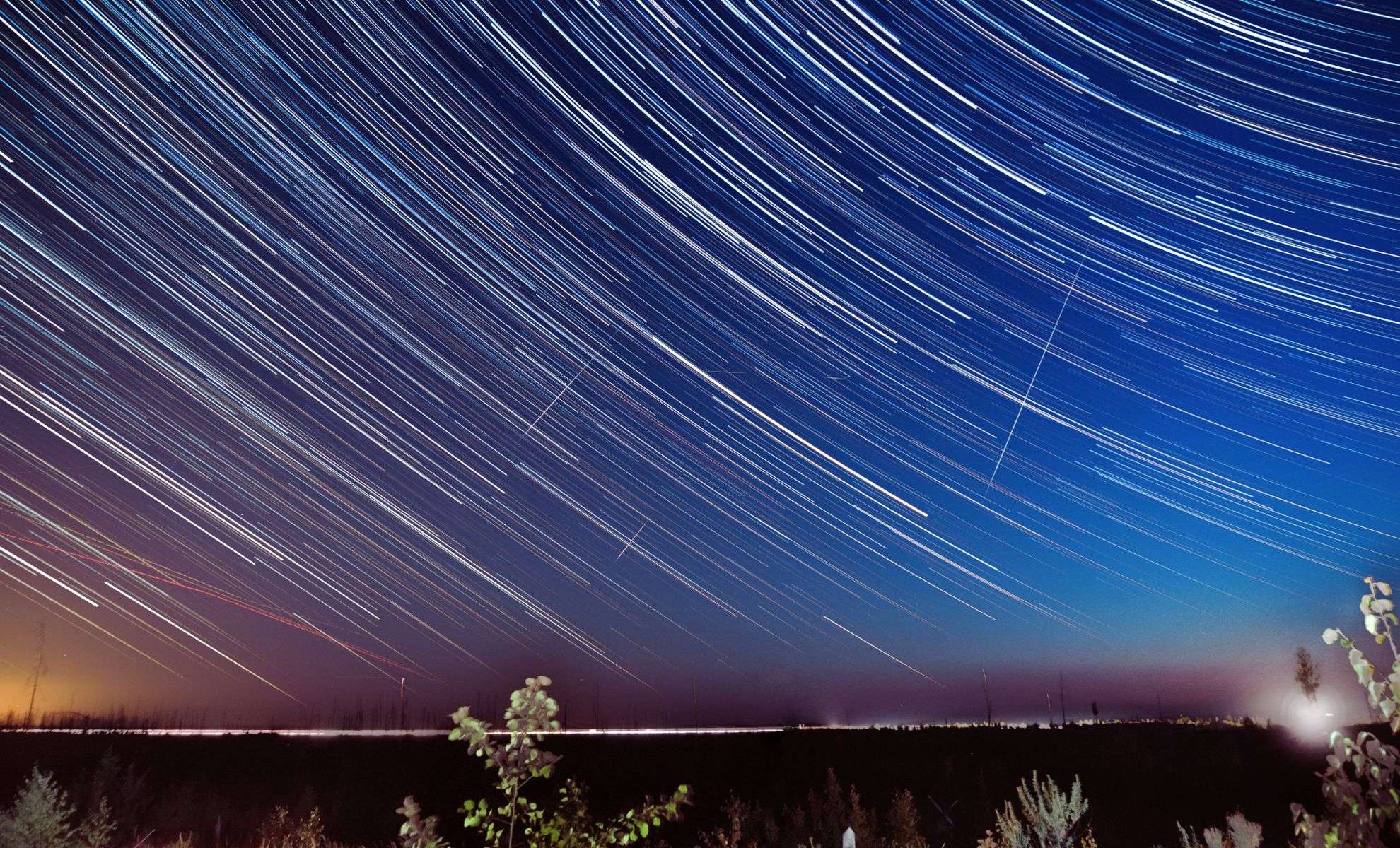
The Perseid meteor shower is among the year’s most eagerly awaited astronomical events in the Northern Hemisphere, reaching its height between August 12 and 13, 2025. This year, however, observers face a notable obstacle: a nearly full moon that could overshadow the fainter meteors. As noted in a recent Live Science article, the Sturgeon Moon will illuminate the night sky during the Perseids’ peak, potentially making many meteors harder to detect. Nonetheless, with careful planning and timing, enthusiasts can still experience spectacular views in the darker nights surrounding the peak.
2025 Perseids Viewing Schedule: When to Look
The Perseid meteor shower lasts from July 17 through August 23, but optimal stargazing doesn’t occur every night throughout this period. During the shower’s apex, viewers might witness over 100 meteors per hour on clear, dark nights. This year’s peak, however, coincides with a bright waning gibbous moon that rises before midnight and remains visible all night, reducing the visibility of many meteors.
Astronomy experts suggest prioritizing the period from July 18 to July 28 for the best meteor sightings. This timeframe features the moon in its last quarter phase and transitioning to a new moon on July 24, resulting in darker skies. Although meteor counts won’t be as high as during the peak, the lower moonlight significantly improves chances of catching the meteors.

The Science Behind the Perseids Meteor Shower
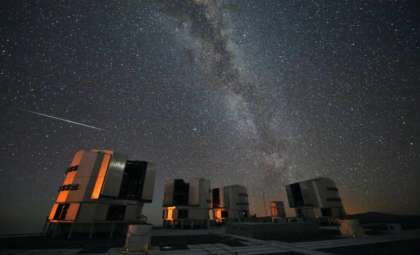
The dazzling light trails of the Perseids are caused by debris from Comet 109P/Swift-Tuttle, which completes an orbit around the sun roughly every 133 years. Each year, Earth passes through the comet’s leftover dust, and as tiny particles enter our atmosphere at high speed, they incinerate and create bright streaks visible from the ground.
Distinguished by their velocity and brilliance, the Perseid meteors travel about 37 miles per second (60 kilometers per second). Their flashes can be intensely bright and many leave behind glowing trails or even fireballs, captivating both dedicated astronomers and casual observers.
The Moon’s Role: Challenges for Meteor Observation
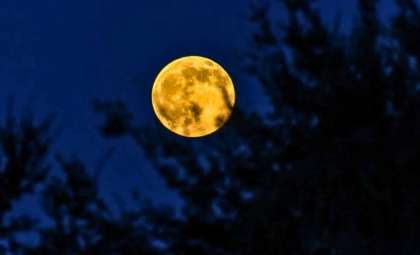
One major factor affecting the 2025 Perseids display is the Sturgeon Moon, which will reach full on August 9. The moonlight will persist through the meteor shower’s peak dates, diminishing the contrast needed to see faint meteors. Unlike artificial lighting, moonlight evenly brightens the sky everywhere, so even the darkest viewing spots aren’t immune to its effects.
On the critical nights of August 12 and 13, the moon will be about 84% illuminated and visible well before midnight, dominating the nocturnal sky. This means observers should prioritize earlier dark-sky nights, especially in late July, to make the most of the meteor shower.
Tips for Observing the 2025 Perseids
For the clearest views, venture out during moon-free nights between July 18 and July 28. Peak visibility often occurs after midnight and before dawn, when Earth’s rotation aligns your location with the densest part of the meteor stream.
Pick a location well away from urban light pollution—rural areas, national parks, or designated dark sky preserves offer the best conditions. Be prepared with warm clothing, a reclining chair or blanket, and allow your eyes approximately 20 minutes to adjust to the darkness. No optical devices are necessary; the naked eye is best for scanning the vast skies and catching meteors flashing by unexpectedly.
- Categories:
- News




0 comments
Sign in to Comment