
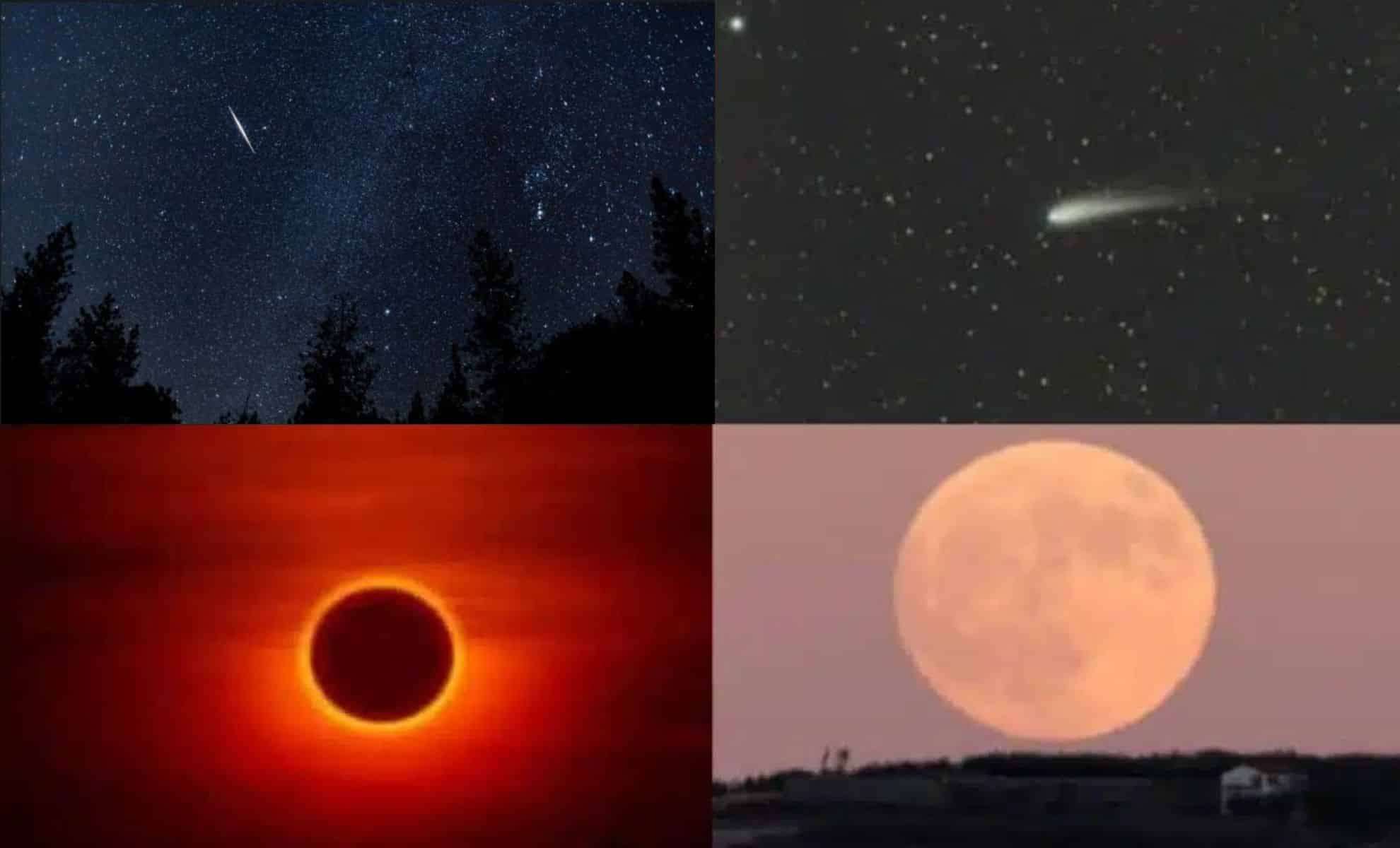
This October, sky enthusiasts are in for a treat with a lineup of remarkable astronomical events. From a stunning comet to the grandest supermoon of 2024 and a vibrant meteor shower, the cosmos will put on an impressive show throughout the month.
These phenomena, visible across October, present fantastic chances to observe comets, eclipses, meteors, and lunar phases that captivate both casual viewers and avid astronomers.
Spotting Comet Tsuchinshan-ATLAS
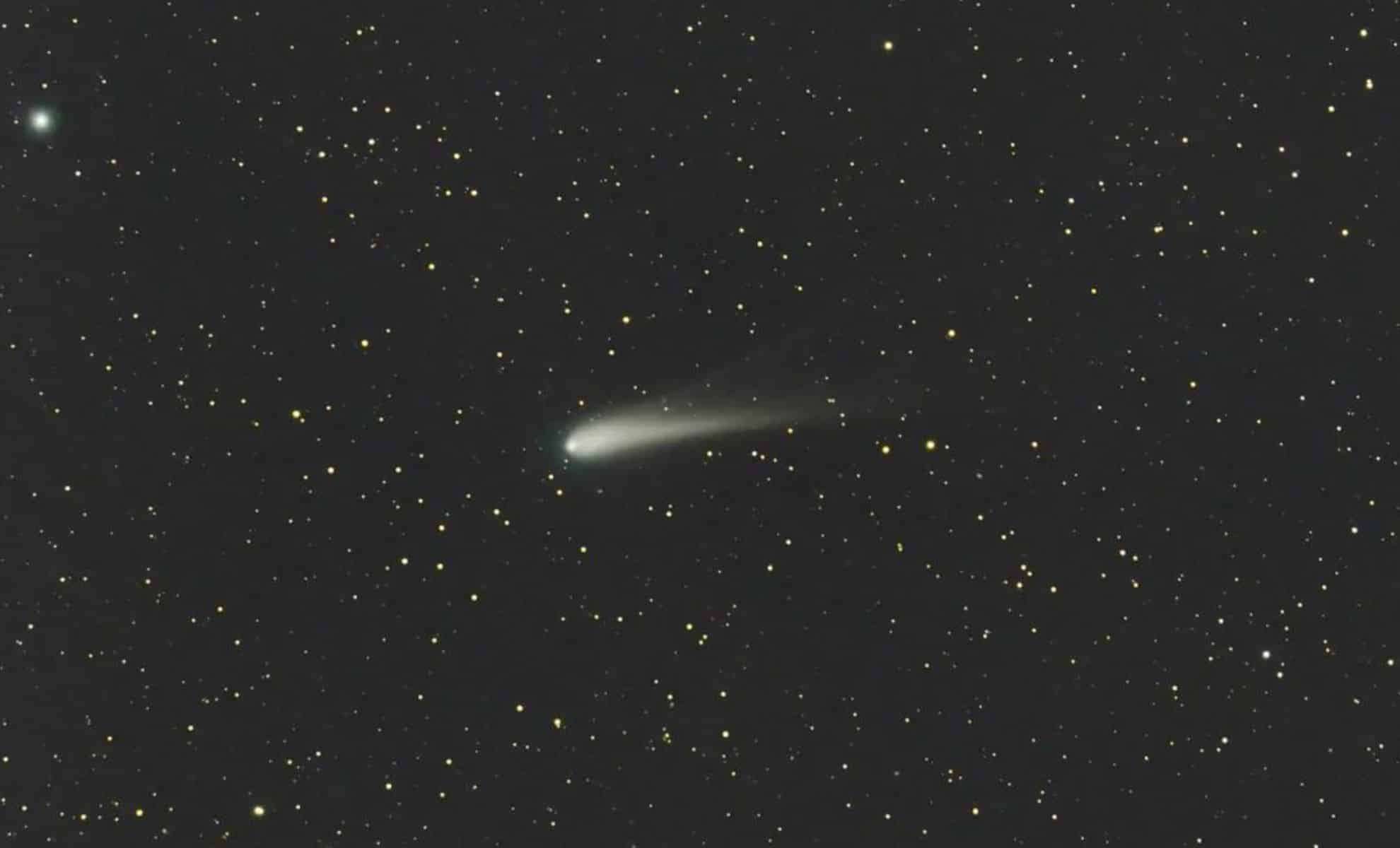
A standout highlight this month is the anticipated appearance of Comet C/2023 A3 (Tsuchinshan-ATLAS). If conditions are favorable, this comet may be visible to the naked eye, especially from locations with minimal light pollution. In the early days of October, specifically the 1st and 2nd, the comet can be seen in the eastern sky just before dawn. Initial visibility might be low without optical aids, as comet brightness can vary, but it could brighten noticeably as October advances.

The comet’s closest pass to Earth occurs on October 12, at an approximate distance of 43.7 million miles. By midmonth, viewers can find it shifting toward the western horizon just after sunset, potentially growing brighter enough to see without a telescope. There’s even the possibility it will showcase two distinct tails—one made of dust particles and another formed by ionized gas—creating a spectacular celestial display. Observers are advised to seek out dark, rural vantage points for the best viewing experience.
Nonetheless, comets are notoriously unpredictable. Comet Tsuchinshan-ATLAS may not reach its anticipated brilliance, as these icy travelers often diminish or break up when nearing the Sun. Still, the chance to glimpse a vivid comet ensures October is an exciting month for skywatchers across the Northern Hemisphere.
October’s Annular Solar Eclipse: The “Ring of Fire”
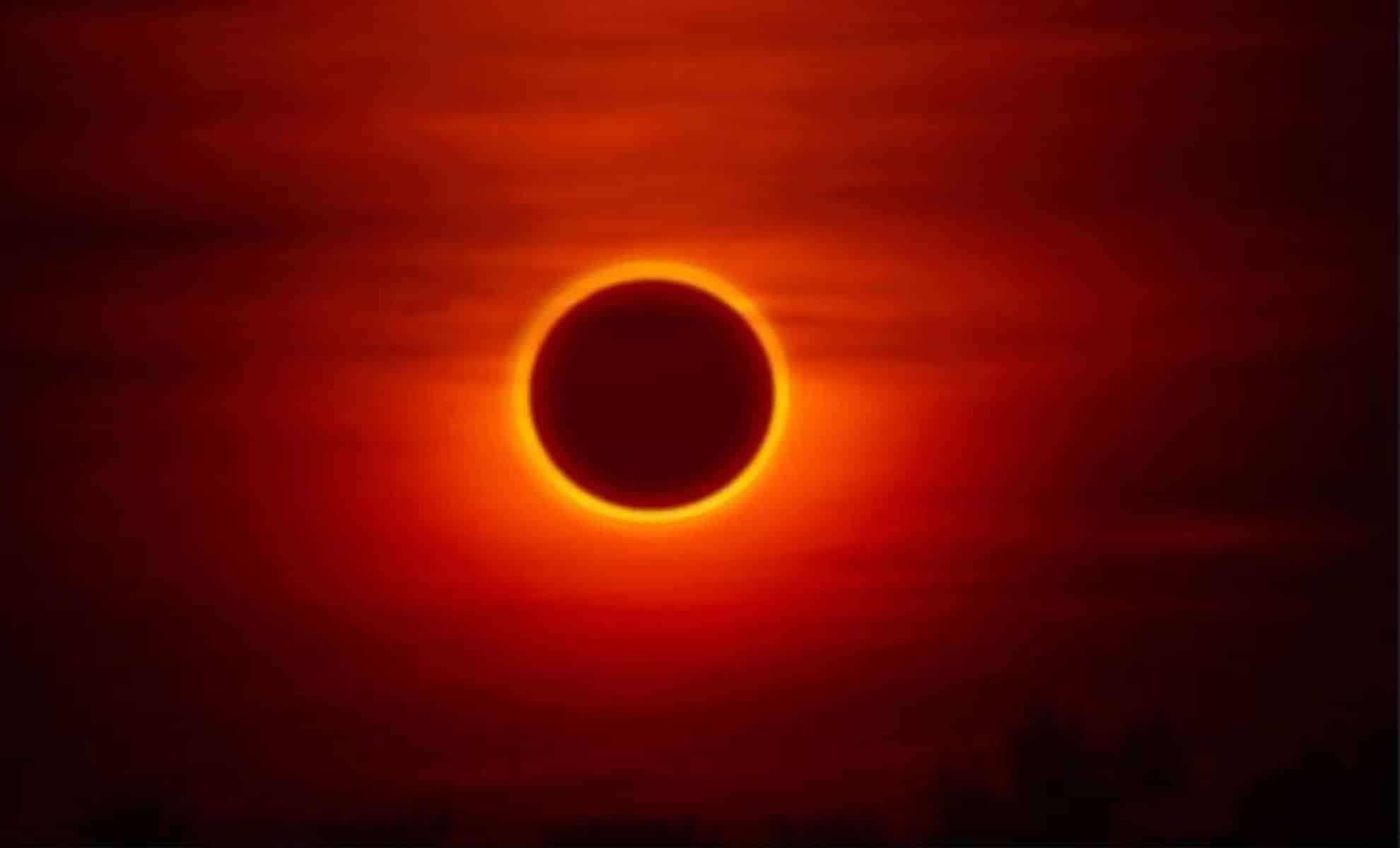
Early in the month, observers in parts of Chile, Argentina, and other South American regions can witness an extraordinary annular solar eclipse on October 2. Known as a “ring of fire” eclipse, this event happens when the Moon is too distant to completely cover the Sun, leaving a glowing ring of sunlight intact. While this spectacle is limited to certain geographic areas, those within the eclipse’s path, especially in southern Patagonia and Argentina, will be treated to this rare phenomenon.
This eclipse coincides with a mini-moon—the Moon at a farther point from Earth—making its appearance smaller and enhancing the brightness of the surrounding solar ring. Outside the annular path but within South America, viewers can observe a partial eclipse, while other parts of the planet will experience a new moon.
Extremely popular among eclipse enthusiasts and astro-photographers, this event offers a prime chance to capture the perfect alignment of the Sun and Moon. The eclipse will also be visible from Easter Island, famous for its enigmatic moai statues, adding a compelling cultural dimension to the celestial event.
October’s Largest Supermoon: The Hunter’s Moon
Mid-October will showcase the year’s grandest supermoon, often called the Hunter’s Moon. Rising on October 17 and again on October 18, this full moon will appear larger and brighter than any other in 2024 because the Moon will be at its closest orbital point to Earth—known as perigee.
Best observed just after sunset, the Hunter’s Moon climbs the eastern sky during twilight, glowing with a rich orange tone. This coloring results from light scattering in Earth’s atmosphere and is intensified by the Moon’s proximity, producing a captivating spectacle most noticeable when viewed over clear horizons.
Traditionally, the Hunter’s Moon marks the tenth full moon of the year and aligns with the autumn hunting season, when bright moonlight allowed hunters to prepare for winter. Today, it remains a favorite subject for both photographers and sky gazers to marvel at our closest celestial companion.

Orionid Meteor Shower Lighting Up Late October
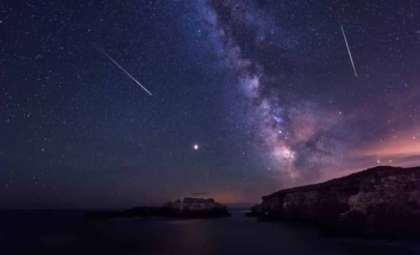
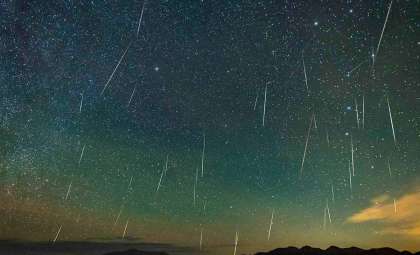
As October wanes, the vibrant Orionid meteor shower will reach its peak, providing a dazzling display of shooting stars. Active from October 2 to November 7, the meteor shower peaks on the night of October 21 into the early hours of October 22. These meteors originate from debris left by Halley’s Comet, entering Earth’s atmosphere at speeds up to 41 miles per second.
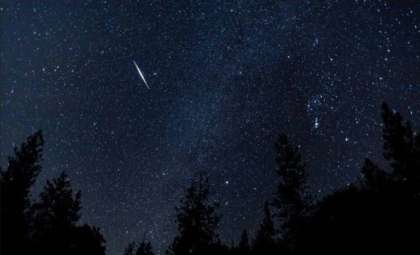
At peak, the Orionids typically present between 10 and 20 meteors per hour, and under ideal circumstances, observers might spot up to 40 meteors in an hour. The meteors seem to radiate from the constellation Orion, which rises prominently after midnight. For the best view, find a dark spot away from city lights and give your eyes about 30 minutes to adjust. While the waning gibbous Moon may slightly detract from visibility, the brightest meteors will still be impressive.
This shower provides a stunning close to a month brimming with astronomical marvels. Remember to dress warmly, bring comfortable seating, and enjoy a serene night under the stars.

- Categories:
- Astronomy ,
- News






0 comments
Sign in to Comment