
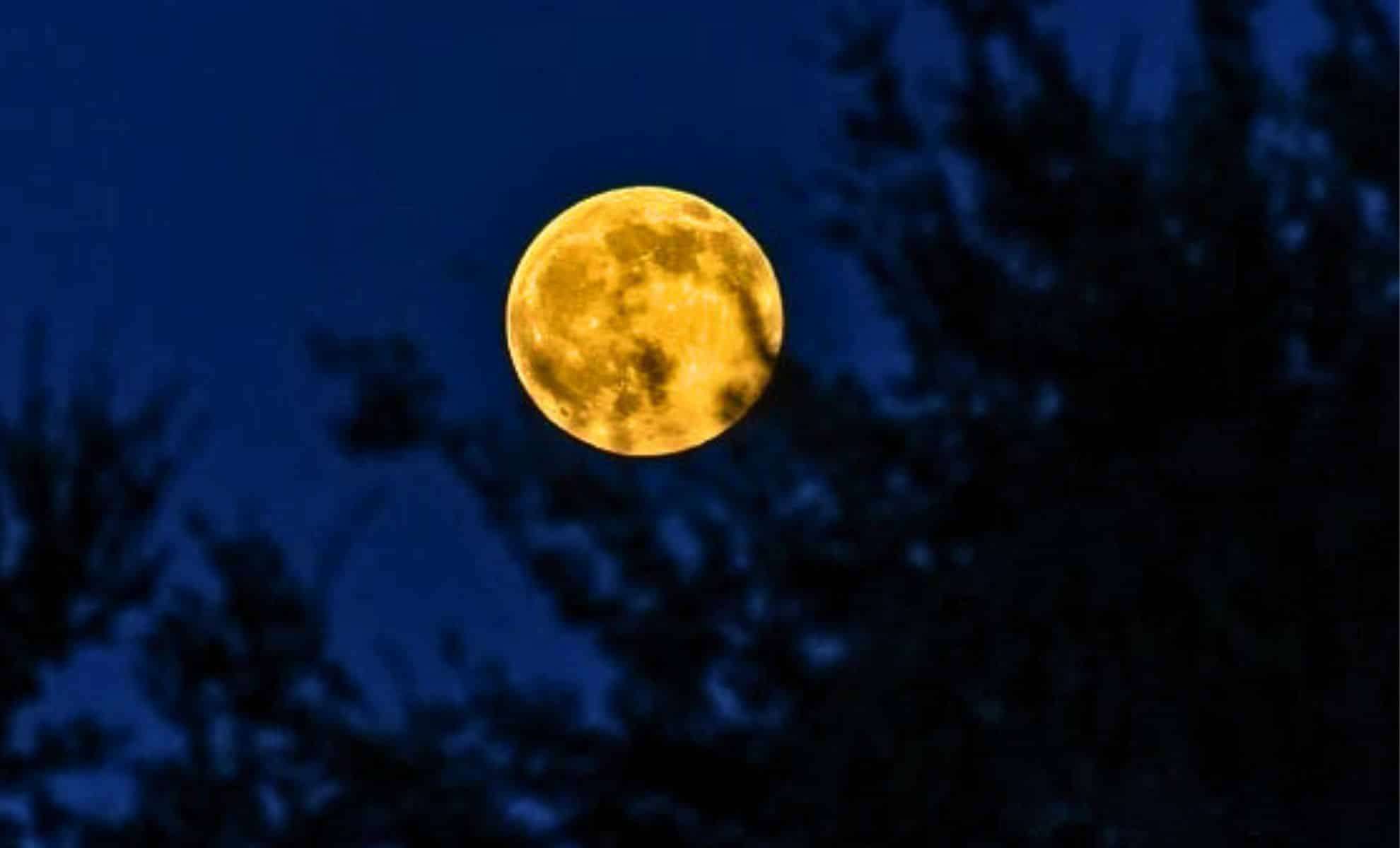
Compiled by Jake Parks and Alison Klesman for Astronomy Magazine, the 2025 full Moon schedule presents a year rich with celestial events, linking ancient customs with astronomical phenomena. Featuring three Super Moons and a series of traditional names inspired by Native American and colonial legacies, each month’s full Moon reveals the intimate bond between Earth's cycles and lunar rhythms.
2025's Full Moon Schedule
The full Moon transpires when the Earth positions itself directly between the Sun and the Moon, fully lighting the Moon’s visible face. This event repeats approximately every 29.5 days, defining the synodic month. Below are the 2025 full Moon dates alongside their customary names (all times in Eastern Time):
- Monday, January 13 — Wolf Moon, 5:27 p.m.
- Wednesday, February 12 — Snow Moon, 8:53 a.m.
- Friday, March 14 — Worm Moon, 2:55 a.m.
- Saturday, April 12 — Pink Moon, 8:22 p.m.
- Monday, May 12 — Flower Moon, 12:56 p.m.
- Wednesday, June 11 — Strawberry Moon, 3:44 a.m.
- Thursday, July 10 — Buck Moon, 4:37 p.m.
- Saturday, August 9 — Sturgeon Moon, 3:55 a.m.
- Sunday, September 7 — Corn Moon, 2:09 p.m.
- Monday, October 6 — Hunter’s Moon, 11:48 p.m. (Super Moon)
- Wednesday, November 5 — Beaver Moon, 8:19 a.m. (Super Moon)
- Thursday, December 4 — Cold Moon, 6:14 p.m. (Super Moon)
Meaning Behind Each Full Moon Name
The traditional names of full Moons mirror nature’s cycles and practical survival markers:

- Wolf Moon (Jan): Reflects the howls of wolves driven by winter hunger.
- Snow Moon (Feb): Associated with significant snowfall during this month.
- Worm Moon (Mar): Signifies the earthworms’ return and thawing ground.
- Pink Moon (Apr): Named for the early blooming pink phlox flowers.
- Flower Moon (May): Celebrates the abundance of spring blossoms.
- Strawberry Moon (Jun): Corresponds with the strawberry picking season.
- Buck Moon (Jul): Indicates bucks sprouting new antlers.
- Sturgeon Moon (Aug): Recognizes the plentiful sturgeon catch.
- Corn Moon (Sep): Aligns with the harvesting of corn crops.
- Hunter’s Moon (Oct): Marks hunting activities preparing for winter.
- Beaver Moon (Nov): Reflects beavers building dams for the cold months.
- Cold Moon (Dec): Evokes the coldest period of the year.
Upcoming Super Moons: Late 2025 Spotlight
A Super Moon is observed when a full Moon coincides with its lunar perigee, the closest point in the Moon's orbit around Earth. In 2025, the following full Moons qualify as Super Moons:
- October 6 — Hunter’s Moon
- November 5 — Beaver Moon
- December 4 — Cold Moon
These lunar events will present a larger and brighter appearance, especially when positioned near the horizon due to the Moon illusion phenomenon.
Noteworthy Lunar Observations and Skywatching
For viewers near 40° N 90° W, weekly insights from Alison Klesman in her column "The Sky This Week" offer precise Moon data:
- May 13 (Tuesday)
- Moonrise: 9:38 p.m.
- Moonset: 5:54 a.m.
- Phase: Waning gibbous (99%)
- May 14 (Wednesday)
- Moonrise: 10:37 p.m.
- Moonset: 6:32 a.m.
- Phase: Waning gibbous (96%)
- Event: The Moon passes just 0.3° south of Antares in Scorpius at 1 a.m. EDT. This close approach makes them both visible together in binoculars or through a wide-field telescope.
- May 15 (Thursday)
- Moonrise: 11:32 p.m.
- Moonset: 7:19 a.m.
- Phase: Waning gibbous (92%)
- May 16 (Friday)
- Moonset: 8:15 a.m.
- Phase: Waning gibbous (85%)
Complete 2025 Lunar Phase Timeline
All phases are provided at 0h Universal Time:
- New Moons: Jan 6, Feb 5, Mar 6, Apr 4, May 4, Jun 2, Jul 2, Aug 1, Aug 31, Sep 29, Oct 29, Nov 28, Dec 27
- First Quarters: Jan 13, Feb 12, Mar 14, Apr 12, May 12, Jun 11, Jul 10, Aug 9, Sep 7, Oct 6, Nov 5, Dec 4
- Full Moons: Jan 21, Feb 20, Mar 22, Apr 20, May 20, Jun 18, Jul 17, Aug 16, Sep 14, Oct 13, Nov 12, Dec 11
- Last Quarters: Jan 29, Feb 27, Mar 29, Apr 27, May 26, Jun 25, Jul 24, Aug 23, Sep 21, Oct 21, Nov 20, Dec 19
Popular Moon Variants and Cultural Interest
Certain Moon types remain captivating to the public:
- Blue Moon: Occurs when a calendar month has two full Moons — this will not happen in 2025.
- Harvest Moon: The full Moon closest to the autumnal equinox, often in September, which brightens autumn evenings for farming tasks.
- Super Moon: Refers to a full Moon near perigee, noticeably larger and more luminous, as seen with late 2025's events.
Occasionally, atmospheric elements like volcanic ash can give the Moon a bluish hue, unrelated to the Blue Moon definition.
The Moon’s Impact on Ocean Tides and Earthly Life
Spring tides—higher and lower than normal tides—occur during full and new Moons due to the combined gravitational pull of the Sun and Moon. These phases also hold cultural importance, influence animal behaviors, and aid nocturnal navigation.
- Categories:
- News






0 comments
Sign in to Comment