
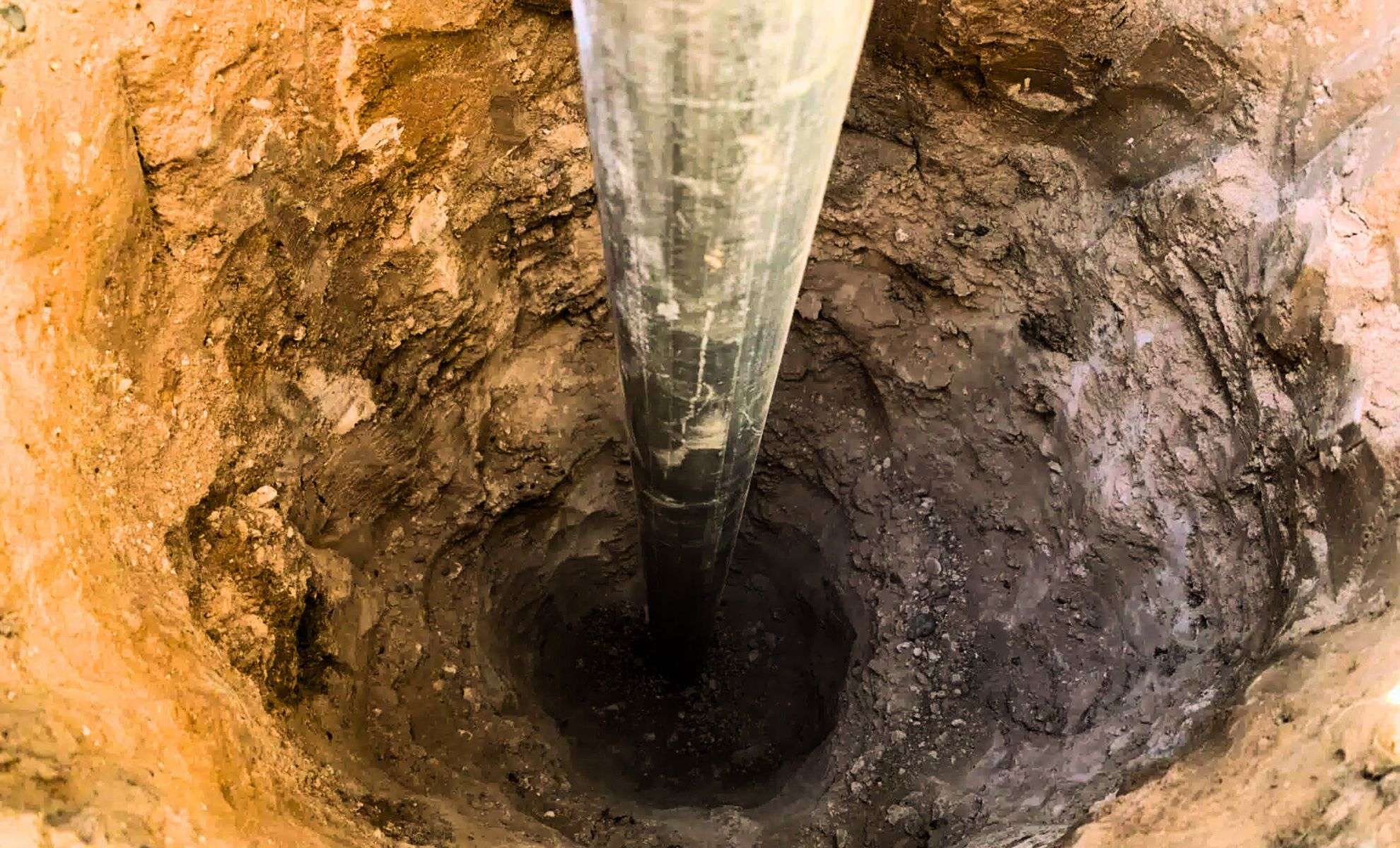
Chinese engineers have initiated one of the most daring geoscientific ventures, drilling a vertical shaft reaching 10,000 meters beneath the Earth’s surface. This ambitious project, which commenced in May 2024, is taking place in the Tarim Basin—a harsh desert landscape in the Xinjiang region of northwest China, renowned for abundant oil reserves and extreme environmental conditions.
Beyond merely achieving great depth, the mission aims to penetrate over 10 distinct continental rock layers and explore the Cretaceous geological formation dating back approximately 145 million years, reports China’s official news outlet, Xinhua. The drillers hope to discover valuable fossil fuel deposits, gain insights into seismic phenomena, and deepen understanding of Earth’s geological past.
Spearheaded by the China National Petroleum Corporation (CNPC), the drilling is projected to span about 450 to 457 days, ultimately reaching a depth of 11,100 meters. This will nearly match the record held by Russia’s famed Kola Superdeep Borehole, which attained a depth of 12,262 meters in the 1990s.

Exploring the Cretaceous Era: China’s Scientific Ambition
The remarkable depth targeted is particularly noteworthy. By penetrating the Cretaceous strata, researchers hope to access invaluable sedimentary layers that chronicle ancient climate changes, tectonic activity, and the genesis of major oil and gas accumulations.
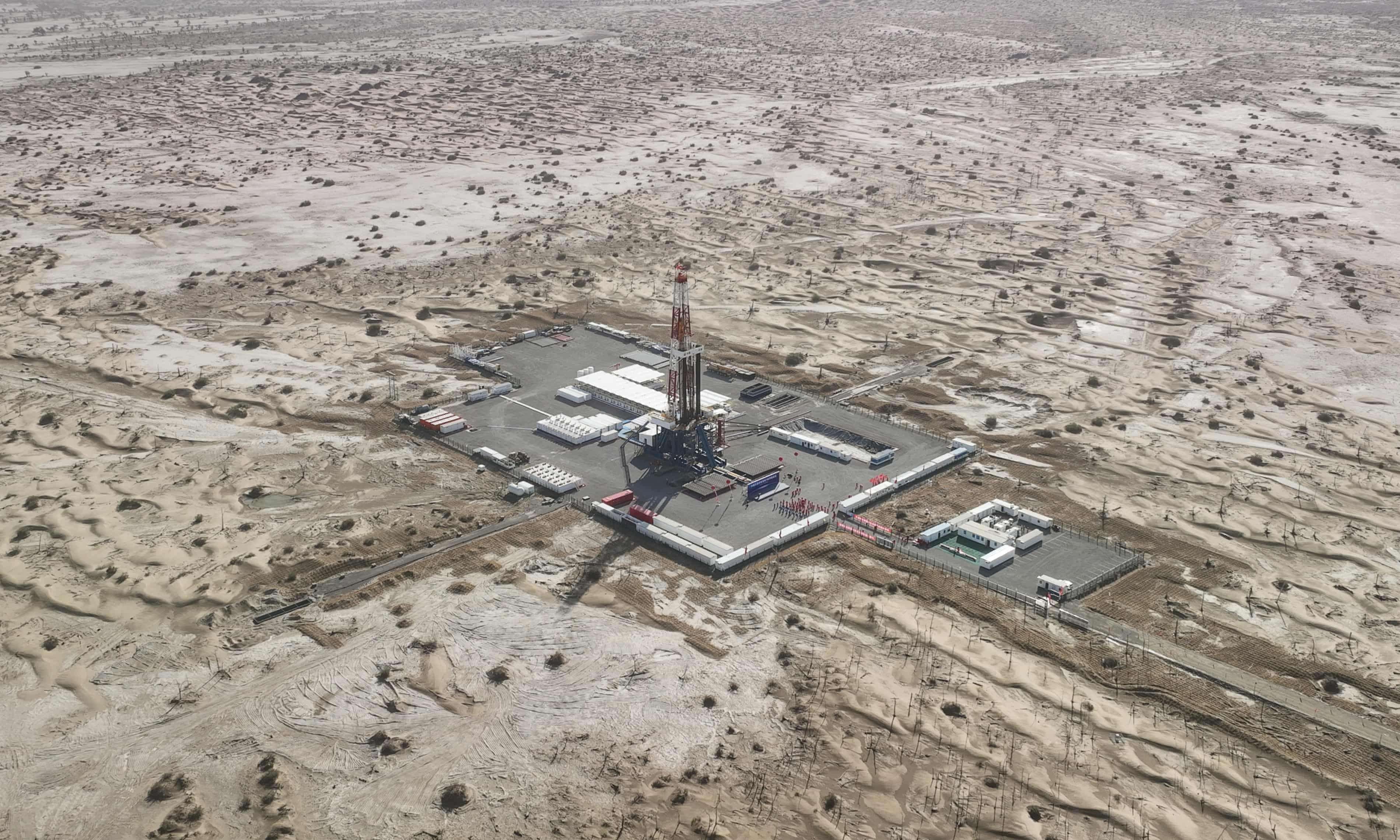
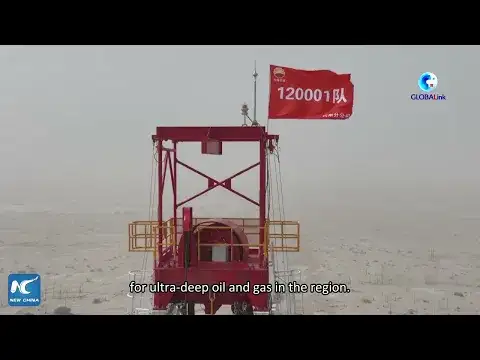
Wang Chunsheng, a technical specialist featured in Chinese news reports, described the endeavor as a “courageous effort to chart unexplored realms beneath the Earth’s surface.” The team anticipates the borehole will provide finely detailed data on terrestrial crust formation and enhance earthquake forecasting and resource extraction planning.
The Tarim Basin is already established as an abundant source for petroleum and natural gas. Recently, China’s largest refinery, Sinopec, documented productive drilling at depths near 8,500 meters. Venturing deeper may unveil additional untapped reserves, blending scientific inquiry with economic opportunity.
Conquering Extreme Technical Obstacles
Achieving such depths requires more than perseverance—it demands robust machinery and innovative engineering. Inside the borehole, temperatures are expected to soar to 200°C (392°F), with pressures estimated to be 1,300 times greater than those at the surface. The operation involves managing over 2,000 tonnes of high-tech equipment capable of withstanding intense mechanical wear, unstable rock formations, and increasing heat.
Sun Jinsheng, a geoscientist from the Chinese Academy of Engineering, compared the project’s difficulty to “a large truck balancing on two slim steel cables,” highlighting the extraordinary challenges involved.
These complexities echo those faced by the historic Kola Superdeep Borehole, which encountered frequent equipment malfunctions and unexpected geological discoveries. That Russian project revealed water in supposedly dry rock layers and uncovered tiny plankton fossils at 6,000 meters, underscoring how much remains concealed beneath our feet—and the potential for China's project to deliver groundbreaking findings.
A Worldwide Push to Probe the Depths
This initiative represents the deepest drilling attempt in China’s history and is part of a global movement focused on exploring deep-Earth phenomena. Applications range from hydrocarbon exploration to environmental and climate sciences, offering data inaccessible by surface observations or seismic tomography.
Further, this effort aligns with President Xi Jinping’s 2021 vision prioritizing innovation in frontier fields like deep geoscience and space exploration. Complementing China’s recent missions to the Moon, Mars, and asteroid retrievals, the drilling underscores the nation’s drive to investigate both the cosmos and Earth’s hidden depths.
The project’s conclusion, expected in late 2025, could settle ongoing geological debates. Even if it falls short in certain ambitions, it will yield invaluable data and extend the technological boundaries of deep drilling.








0 comments
Sign in to Comment