
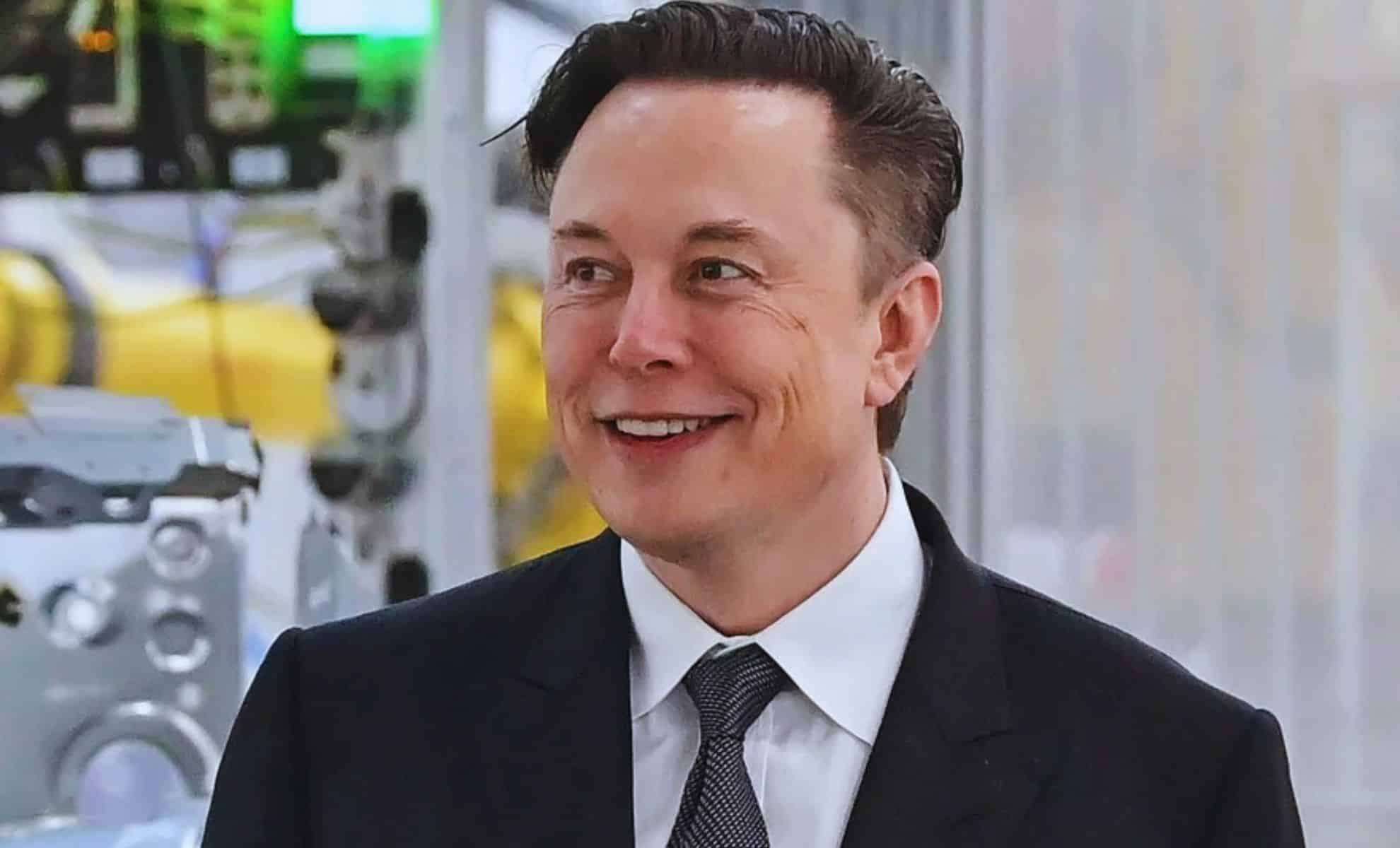
As organizations navigate the complexities of returning to in-person work, Tesla's CEO Elon Musk has taken a definitive position: all employees are required to work 40 hours weekly at the office or face termination.
This firm mandate, revealed through a series of leaked internal emails in mid-2022, sparked widespread debate over evolving workplace norms as the pandemic recedes. Known for his relentless work ethic, Musk's directive underscores his expectations during a pivotal period for Tesla.
Unwavering Policy on Physical Presence
In communications with Tesla staff, Musk expressed that employees must be physically present at a company office for a full 40-hour week. Exceptions are rare and undergo his personal scrutiny. Remote work beyond this requirement is strictly discouraged.

His message was blunt: those unable or unwilling to adhere to these conditions should consider stepping down. This directive marks a shift from the pandemic-era flexibility, as Musk insists the time has come for Tesla to resume traditional workplace norms amidst the industry's changing landscape.
Leadership by Example
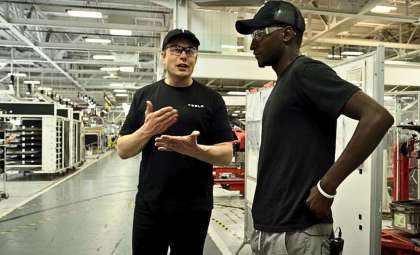
Musk highlighted his own commitment, recounting his decision to live at the Tesla factory during the company’s foundational years to emphasize the importance of hands-on leadership. He believes that senior staff must maintain a visible presence to drive performance and foster collaboration.
He pointed out that his 40-hour office mandate stems from the conviction that direct engagement fuels innovation, arguing companies leaning heavily on remote setups have seen stagnation in groundbreaking developments.
Musk’s demanding approach reflects his belief that Tesla’s progress hinges on relentless effort and in-person collaboration.
Facing Industry Pressures
The timing of the return-to-office order is notable. Tesla confronts rising competition in the electric vehicle sector while managing complex production and financial demands. This comes amid scrutiny of Musk’s multitasking leadership across ventures like SpaceX, Neuralink, and X (formerly Twitter).
Reinstating firm office attendance appears to be Musk’s effort to reaffirm his dedication to Tesla’s trajectory despite juggling multiple high-profile enterprises.
Criticism of Remote Work Culture
Musk also took aim at companies adopting remote work, questioning their recent record of delivering innovative products and suggesting that physical office engagement is crucial for sustaining creative momentum.
In a follow-up Twitter response linked to the leaked emails, Musk dismissed remote work as employees merely “pretending to work,” underscoring his strict standards for workforce commitment and productivity.
- Categories:
- News






0 comments
Sign in to Comment