
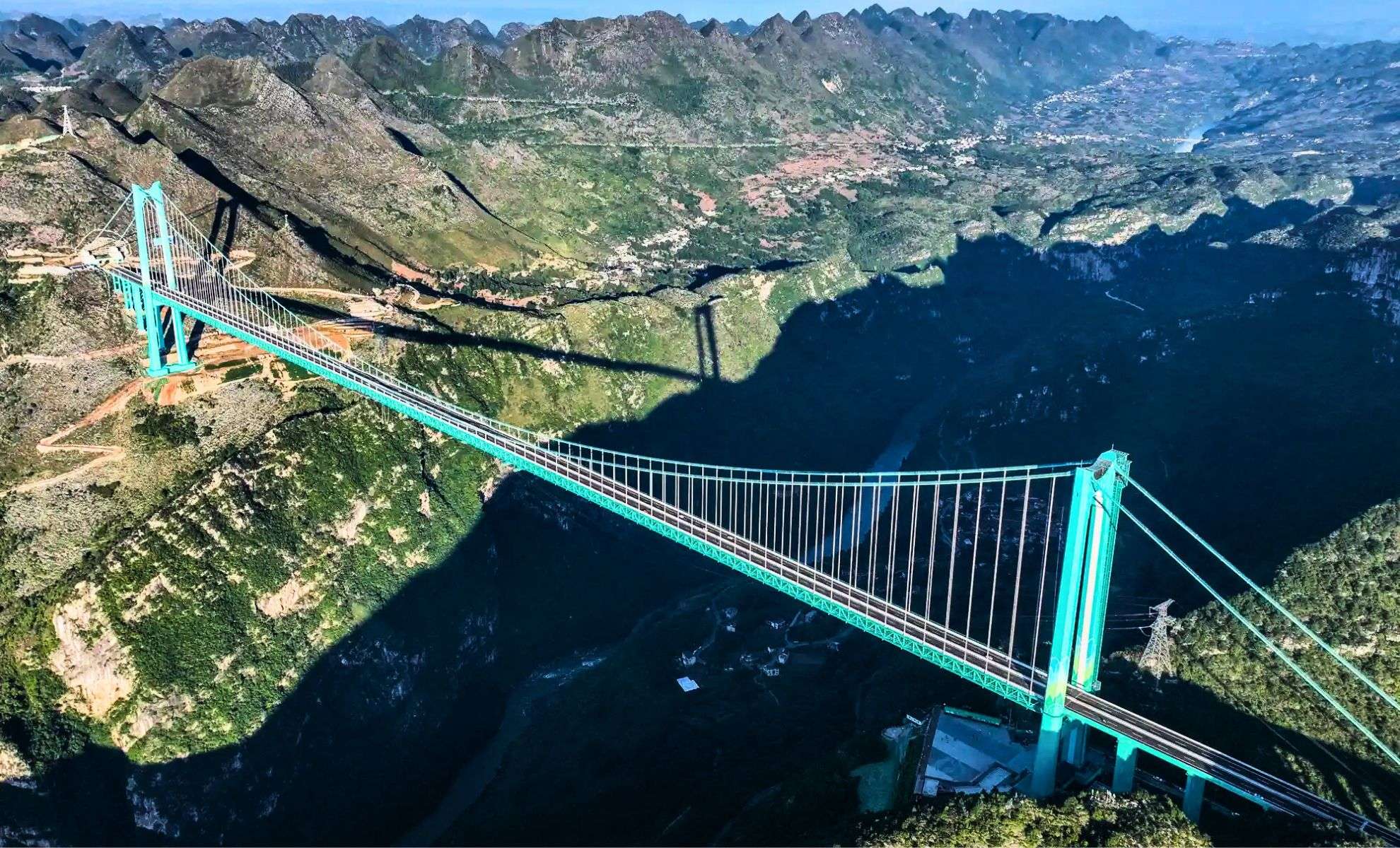
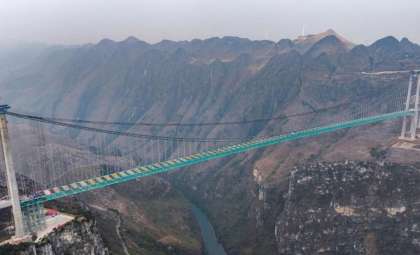
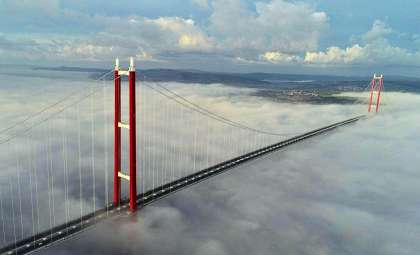
Towering over the southern Chinese landscape, the newly inaugurated Huajiang Grand Canyon Bridge in Guizhou province has earned recognition as the world’s tallest bridge, featuring a jaw-dropping drop of more than 2,050 feet from deck to valley floor beneath.
The announcement, first reported by China Central Television (CCTV) and further validated by NBC News and CNN, celebrates a monumental feat of engineering while symbolizing China’s drive to unify urban and rural zones.
A Journey Reduced from Hours to Minutes
Spanning the Beipan River gorge, this engineering marvel links two remote mountainous areas that previously required a convoluted two-hour drive. Now, the crossing takes just two minutes, according to statements from transportation authorities in Guizhou.

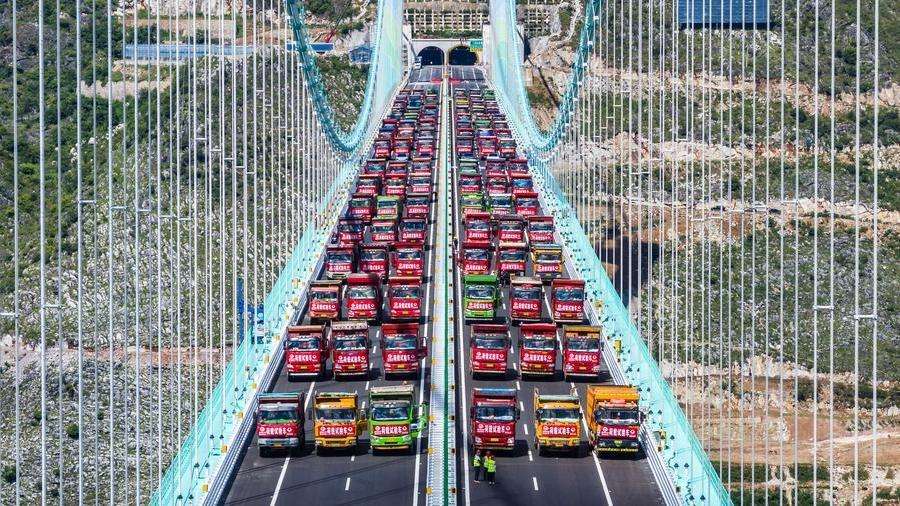
Completed in just under four years—three years and eight months to be exact—the bridge stretches an impressive 4,600 feet. It not only sets a new record for height but also claims the title of longest bridge ever constructed in a mountainous region, overcoming substantial geographic challenges.
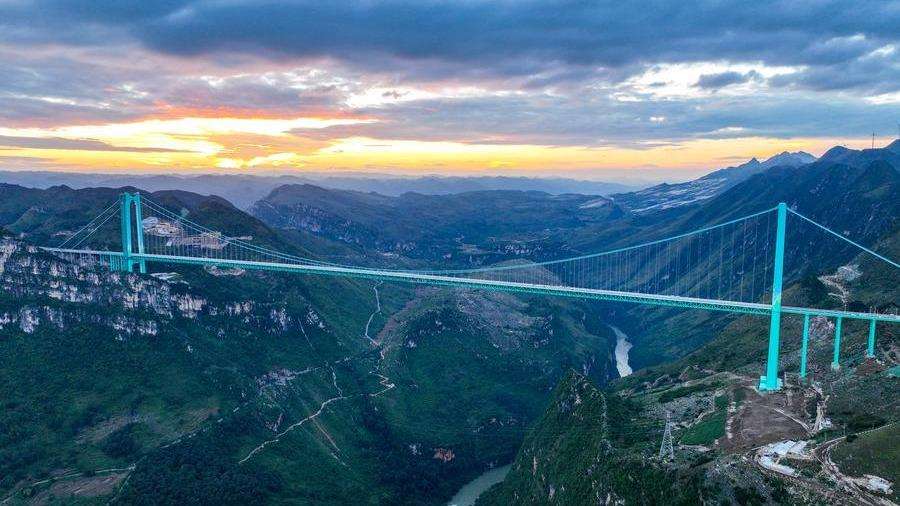
Chinese state-backed companies spearheaded the construction, utilizing advanced high-altitude cable-stayed bridge techniques honed over the last twenty years. Guizhou, already notable for hosting the prior record-holder, the Beipanjiang Bridge, demonstrates a penchant for bold infrastructure projects.
Revitalizing One of China’s Most Underserved Areas
With a population of around 40 million, Guizhou has traditionally been one of China's less developed provinces. While it had fewer than 3,000 bridges in the 1980s, that number has now surged beyond 32,000, according to the Ministry of Transport of the People’s Republic of China.
This bridge forms part of an extensive infrastructure effort aimed at reducing regional disparities and boosting tourism in the interior provinces. “This is only the beginning,” said Tian Hongrui, a technician working on the project, in an interview with CCTV News. “A new era is underway.”
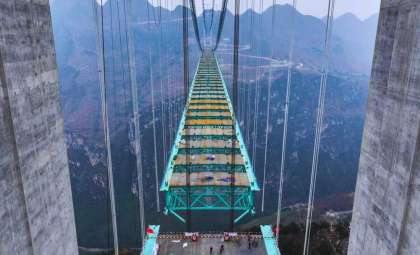
The bridge also incorporates tourism elements, such as a glass elevator that takes visitors to a café perched nearly 2,600 feet above the river below. Thrill-seekers can venture out onto a 1,900-foot-high glass pathway or try bungee jumping from the bridge itself.
Officials aim to transform Guizhou into a premier destination for high-altitude tourism, fostering jobs and encouraging domestic tourists to explore beyond the crowded eastern urban centers.
A Symbol of Technological Prestige
Beyond economics, the Huajiang Bridge stands as a testament to China’s prowess in civil engineering, showcasing its growing influence in a race marked by technological milestones.
By comparison, the tallest American bridge, the Royal Gorge Bridge in Colorado, has a height of only 956 feet above the Arkansas River. This is less than half the vertical clearance of the Huajiang Bridge, emphasizing the scale of China’s latest “infrastructure miracle,” as praised by state media.
Although the Huajiang project is independent from the global Belt and Road Initiative, it aligns with the initiative’s ambitions by demonstrating mastery over challenging terrains through innovation and governmental coordination.
With Guizhou now hosting both the tallest and second-tallest bridges worldwide, China continues to solidify its leading position in constructing high-altitude infrastructure.
Blending Tourism, Prestige, and Digital Buzz
China’s flagship infrastructure endeavors are crafted to meet practical needs while capturing international attention. The Huajiang Grand Canyon Bridge succeeds on both fronts.

With remarkable glass walkways suspended among the clouds and captivating drone footage spanning the mist-shrouded gorge, the bridge has quickly become a sensation on social media platforms such as Douyin and Weibo.
For international audiences, it represents a powerful metaphor for China’s ascension—both literally and figuratively—beyond its peripheral regions. Practically, it slashes travel time dramatically. Economically, it promises sustained growth. Narratively, it bridges more than just geographic divides, constructing a story of progress and ambition.
- Categories:
- News




0 comments
Sign in to Comment