
Researchers from China have identified an extensive and previously hidden hydrothermal zone deep within the Pacific Ocean, discovering enormous crater formations abundant in hydrogen and diverse marine organisms. Reported in a recent Science Advances publication, the finding of the Kunlun hydrothermal system northeast of Papua New Guinea challenges traditional views on deep ocean ecosystems, abiotic hydrogen production, and the origins of life on our planet.
Exploring a Hidden Realm: Charting the Kunlun Crater Complex
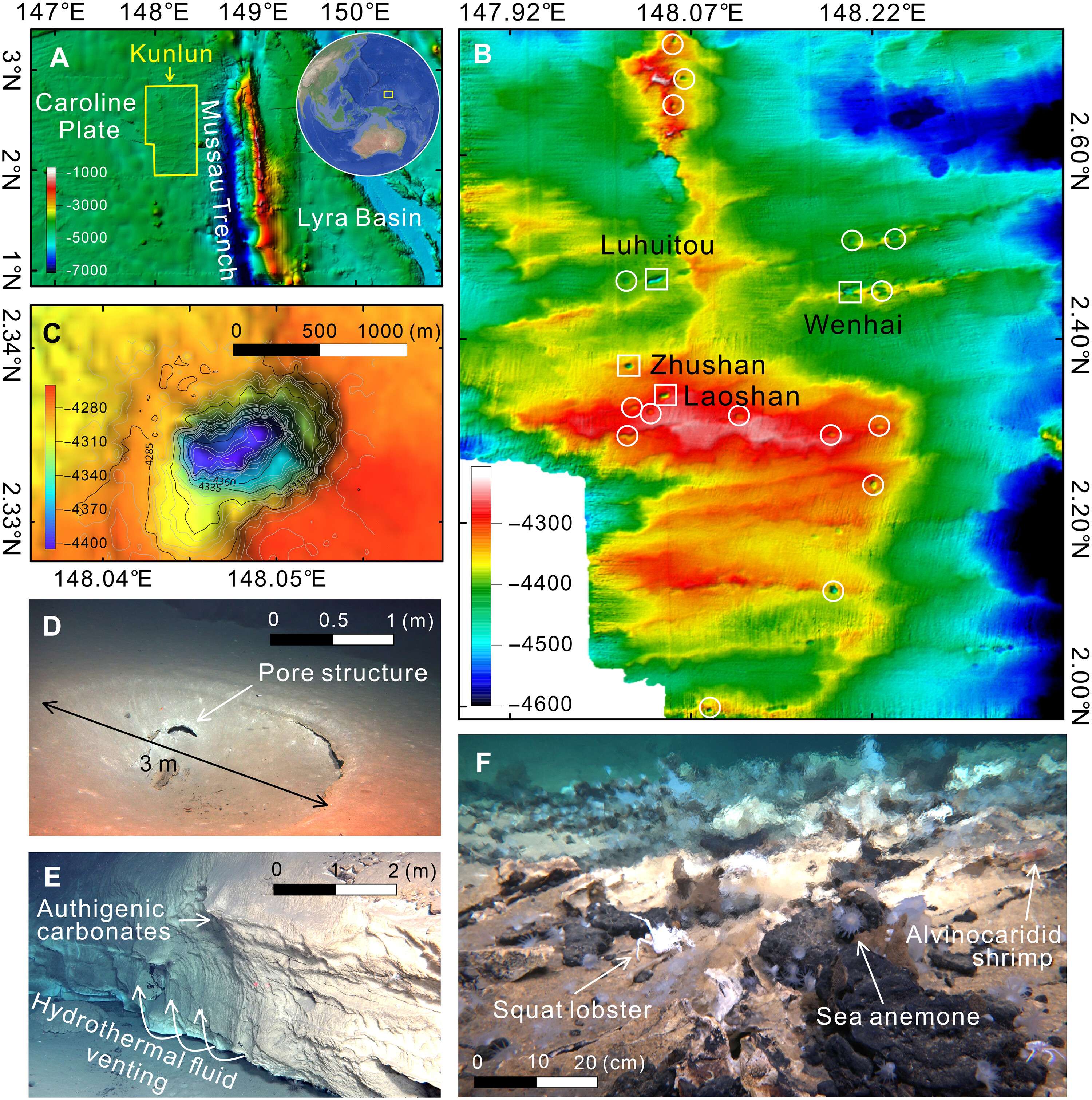
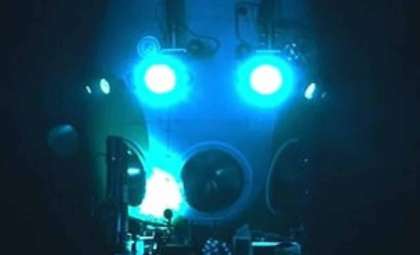
Far from dynamic tectonic plate margins, expeditions using a Chinese deep-sea submersible have located 20 giant craters, with the largest spanning roughly 1,800 meters (about 5,900 feet) wide and plunging 130 meters (around 430 feet) below the seabed. These unique formations, described as a “pipe swarm”, arise due to chemical processes within Earth’s mantle rather than volcanic activity. Covering nearly 11 square kilometers (4 square miles), the Kunlun system is massively bigger than the well-known Lost City field in the Atlantic.
The Kunlun system distinguishes itself from other hydrothermal environments by its geological and chemical traits. Unlike typical fields associated with volcanic ridges, Kunlun’s hydrogen-enriched emissions result from serpentinization: an interaction between seawater and mantle rock forms serpentine minerals and liberates vast amounts of hydrogen. Study co-author Weidong Sun of the Chinese Academy of Sciences notes, “Kunlun exhibits extraordinary hydrogen flux and scale in a geologically novel setting, revealing serpentinization far from mid-ocean ridge zones.”

A Sunless Biosphere: A Thriving Hydrogen-Powered Marine Community
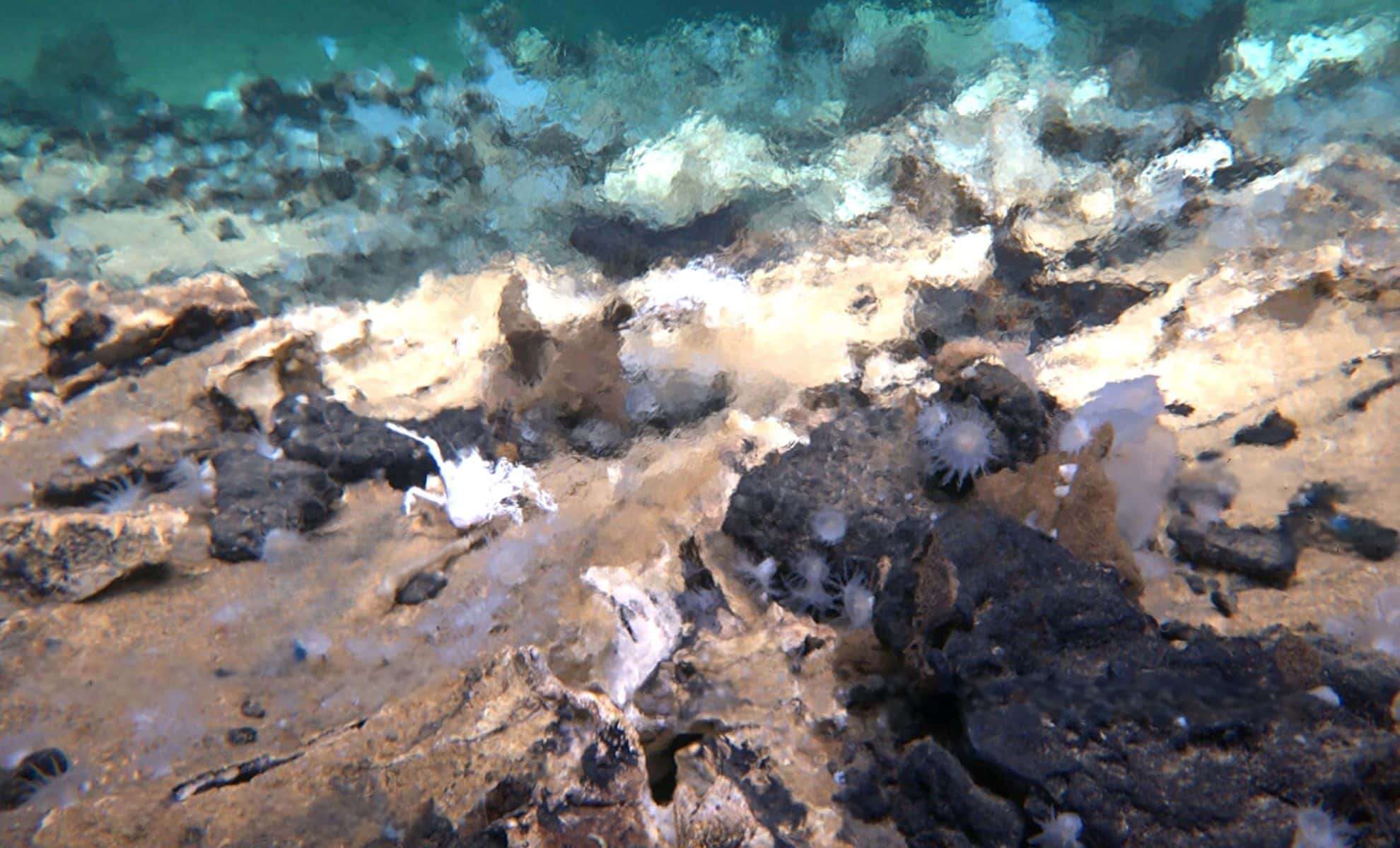
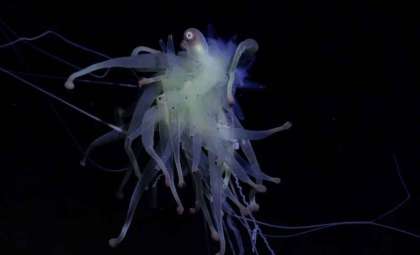
These enormous craters host more than just geology — they support a vibrant biological community. The team recorded footage of shrimps, squat lobsters, sea anemones, and tubeworms flourishing in complete darkness, sustaining themselves not through sunlight but by chemosynthesis. These species harness chemical energy from hydrogen molecules released by the hydrothermal activity.
Such hydrogen-driven life forms are scarce and seldom seen at this magnitude. The findings suggest that Kunlun alone produces over 5% of the planet’s abiotic hydrogen emissions from oceanic sources. This thriving community has significant implications for astrobiology, as similar ecosystems might exist on hydrogen-rich extraterrestrial environments. The discovery broadens perspectives on life emerging independently of solar energy.
Non-Volcanic Genesis: Formation of the Extensive Pipe Swarm
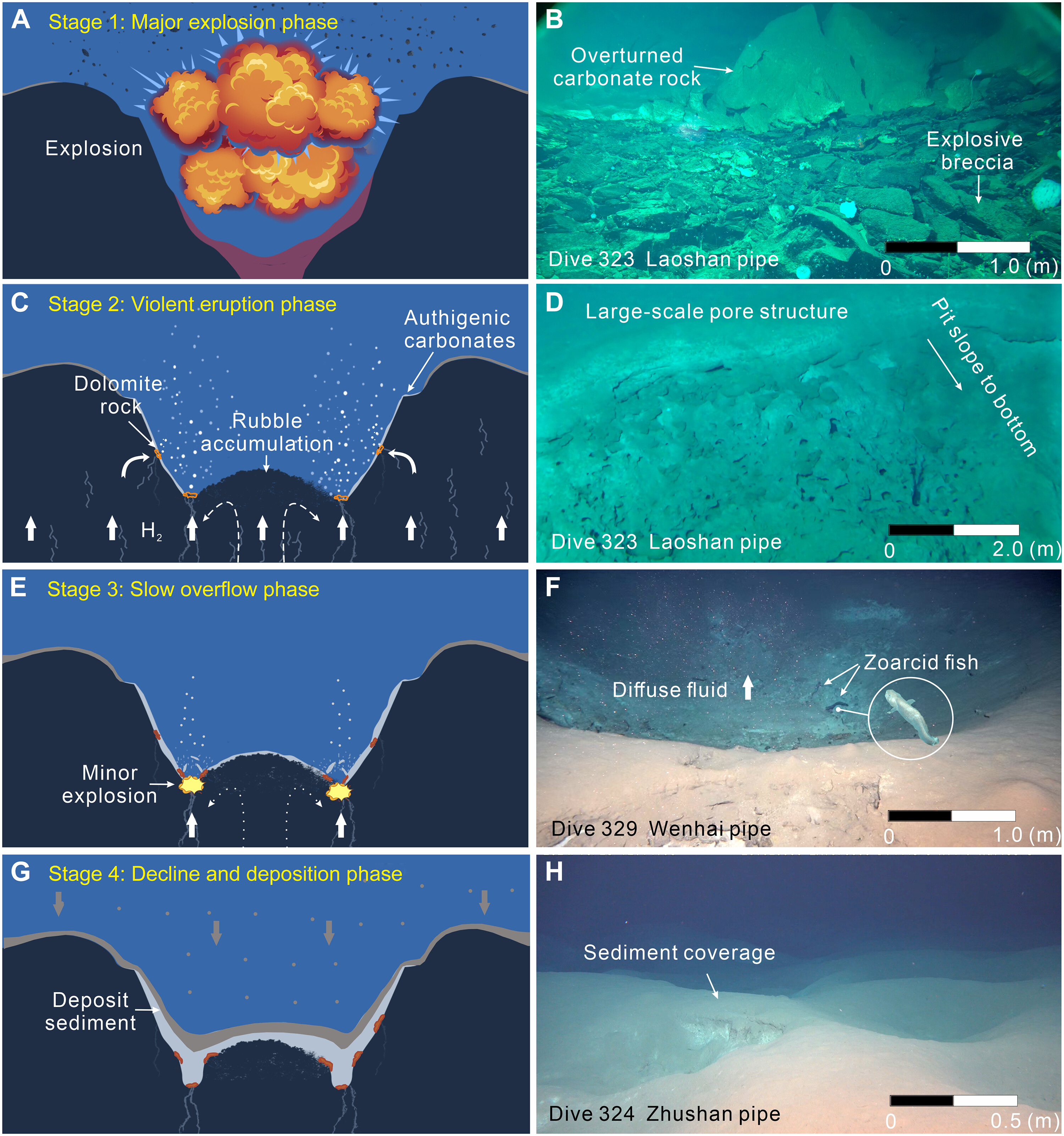
Diverging from typical magma-driven hydrothermal vents, Kunlun’s creation is guided by both physical and chemical forces. Scientists hypothesize that high concentrations of hydrogen gas accumulated beneath the seafloor, culminating in explosive ruptures fracturing the crust. These fissures then emitted hydrogen-rich fluids containing serpentinized minerals. With time, mineral deposits blocked the cracks, enabling hydrogen buildup in cycles that produced interconnected crater and pipe arrays.
Whereas mid-ocean ridges feature black smoker vents with scorching fluids exceeding 400°C (750°F), Kunlun’s vents operate at milder temperatures below 90°C (194°F), resembling but surpassing the Lost City field’s scale and geographic isolation. This extraordinary hydrothermal system greatly enhances our grasp of ocean geology, tectonic processes, and hydrogen-based chemical environments.
Redefining Deep-Ocean Knowledge: Kunlun’s Broader Importance
Previously, major hydrothermal activity was linked closely with volcanic plate boundaries and magma chambers. Kunlun’s discovery overturns this paradigm, demonstrating that potent serpentinization and hydrogen generation can occur independently of such geological settings. This insight invites scientists to investigate similar systems in tectonically quiet areas of the seabed that were once overlooked.
Beyond geology, the biological richness of Kunlun is profound. Organisms thriving in complete darkness fueled by hydrogen confirm that life can adapt and prosper in environments once considered too extreme. From an astrobiological viewpoint, these findings bolster hypotheses that hydrogen-fueled ecosystems could inhabit icy moons such as Europa or Enceladus within our solar system.
- Categories:
- News




0 comments
Sign in to Comment