
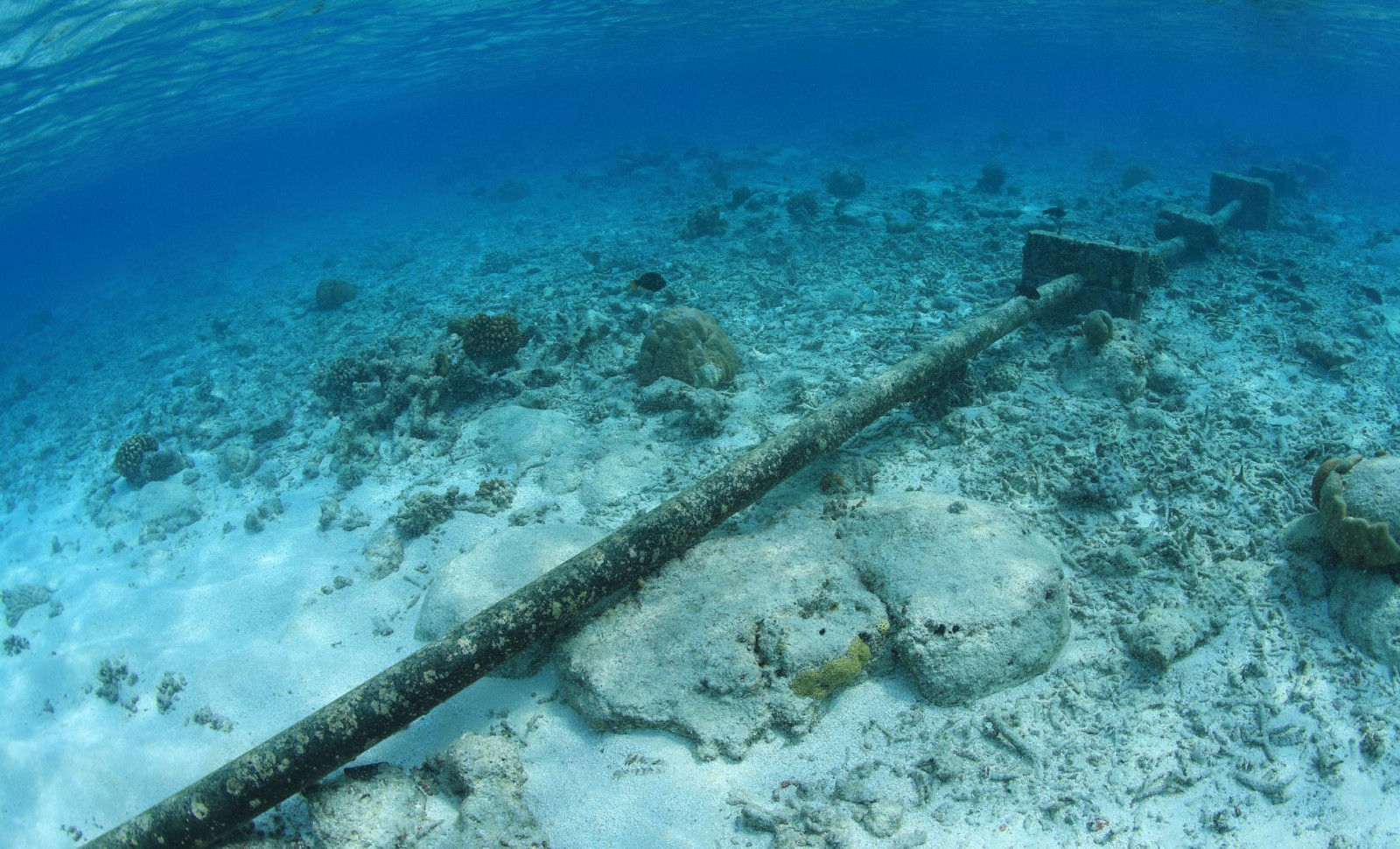
A team in China has successfully tested a cutting-edge apparatus designed to sever fiber-optic cables at depths of approximately 11,483 feet beneath the ocean’s surface. This advancement marks a significant step toward accessing vital underwater communication infrastructure.
Submarine fiber-optic cables, responsible for transporting nearly all global internet data, are vulnerable due to their exposure on the seafloor. Innovations targeting these cables attract widespread interest well beyond scientific circles.
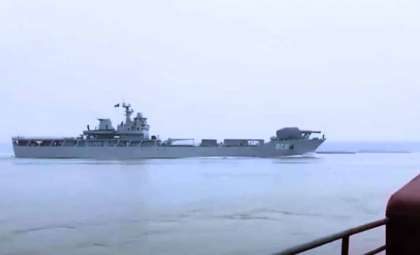
The experimental trial occurred on April 11 aboard the research vessel Haiyang Dizhi 2. Reports from China’s Ministry of Natural Resources confirm the device operated effectively at 3,500 meters—surpassing the depth capabilities of existing remotely operated underwater vehicles.

This achievement places the apparatus beyond the operational range of competitors like Japan’s MARCAS-V-ROV and the UAE's Olympian T2, which generally function around 3,000 meters deep.
Surpassing Depth Limits of Contemporary ROVs
While a 3,500-meter depth might seem incremental, underwater challenges intensify significantly with every meter descended, including greater pressure, reduced visibility, and more demanding remote handling.
A 2024 International Telecommunication Union report highlights the rarity of systems capable of nearing 3,000 meters, emphasizing how this new device expands operational capacity in deep-sea environments typically difficult to access.
Coverage by the South China Morning Post suggests the technology is approaching readiness for practical deployment, indicating that its testing phase could soon conclude.
Underwater Cables: The Backbone of Global Connectivity
More than 745,000 miles of fiber-optic cables crisscross the ocean floor, facilitating about 99% of intercontinental internet traffic and enabling daily financial transactions worth roughly $22 trillion.
Unlike satellite networks, which carry a minor fraction of global data, submarine cables remain the leading infrastructure for rapid, reliable communication. Industry experts cited in the original report note that such systems are drawing increasing international attention due to their strategic importance.
Dual-Purpose Mechanism Designed for Precision in Challenging Conditions
The device harnesses electro-hydrostatic actuators, a technology initially engineered for aerospace applications. This setup enables sophisticated maneuvers using less cumbersome hydraulic systems, which is particularly advantageous for operations deep underwater.
Equipped with a diamond-coated grinding wheel, approximately 150 millimeters in diameter and rotating at 1,600 rpm, the cutter efficiently slices through cables reinforced with steel, rubber, and polymers, while minimizing disruption to the surrounding seabed ecosystem.
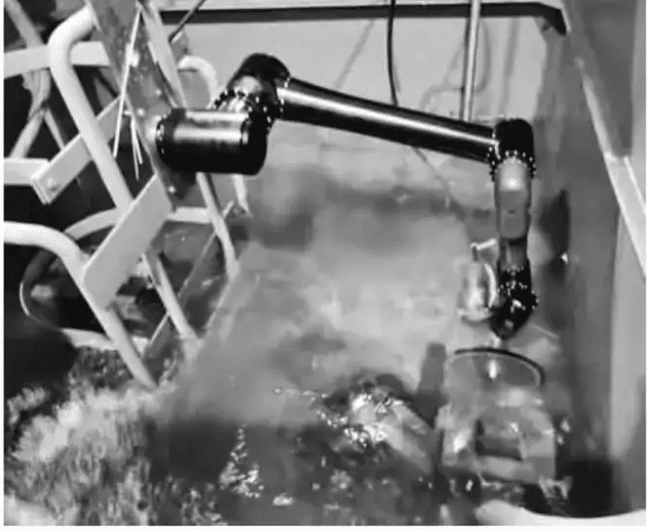
The team behind this technology emphasizes its potential for tasks such as cable repairs and subsea pipeline upkeep. As Hu Haolong of the China Ship Scientific Research Center stated:
“Enhancing marine resource development capabilities, advancing the blue economy and building China into a maritime powerhouse,” he added that, “constitute critical components of realising the Chinese dream.”
- Categories:
- News










0 comments
Sign in to Comment