
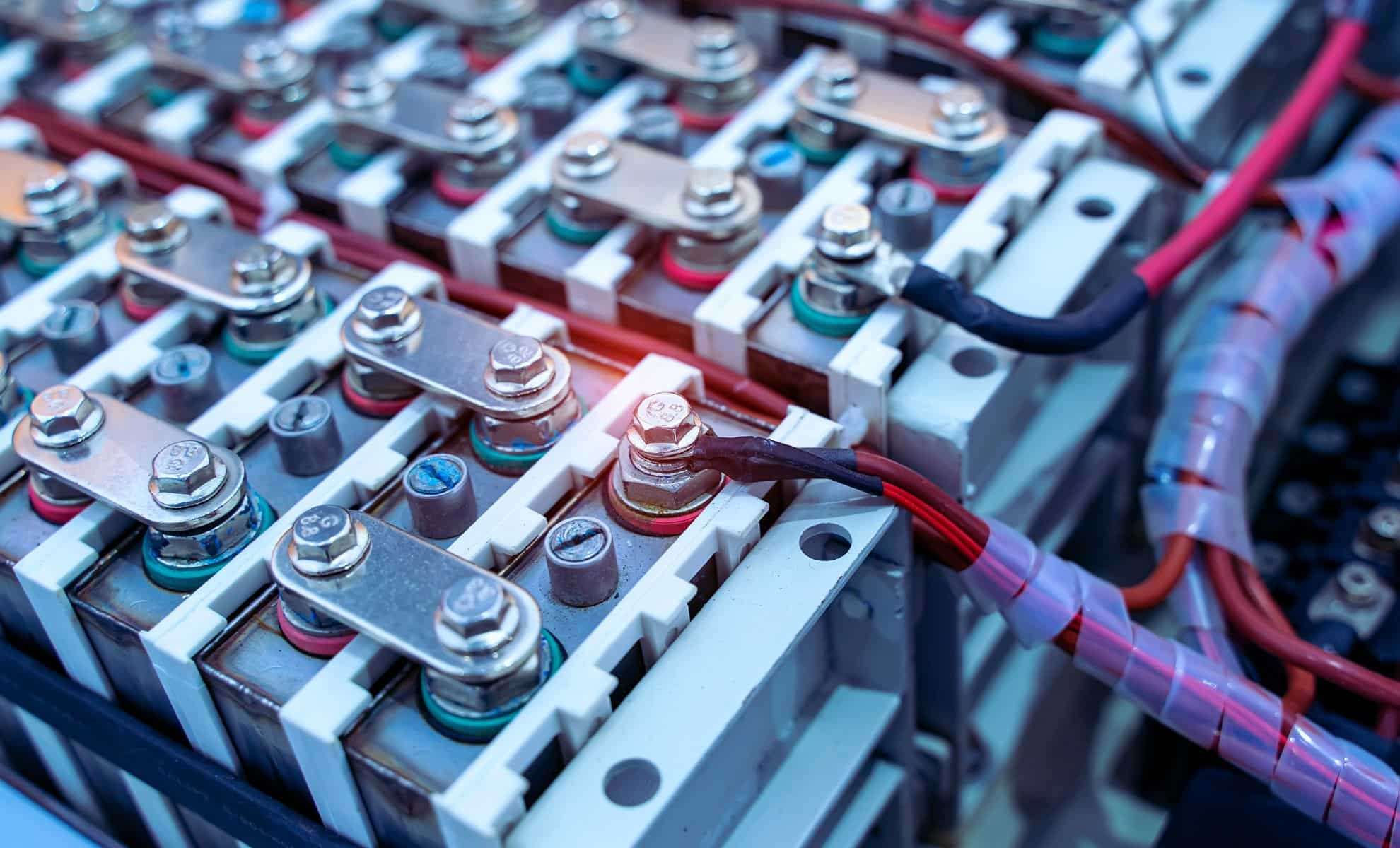
A recent publication in Nature highlights a remarkable advancement from Tianjin University in China, where scientists engineered a lithium metal battery (LMB) boasting an energy density exceeding 600 watt-hours per kilogram (Wh/kg). This achievement effectively doubles the energy density compared to Tesla’s current top battery reaching 300 Wh/kg. Such innovation is poised to transform electric vehicles (EVs) and extend to applications like drones, addressing range limitations and enabling lighter, more efficient designs.
This pioneering leap in energy storage tackles one of the central challenges restricting EV performance and adoption. The team at Tianjin University introduced a fresh methodology in lithium metal battery development, surpassing traditional design constraints. Their battery not only outperforms Tesla’s but also beats the 400 Wh/kg target outlined by China’s “Made in China 2025” strategy for automotive batteries.
Advancing Beyond Lithium Metal Battery Limitations
Lithium metal batteries (LMBs) promise much greater theoretical energy densities over conventional lithium-ion cells but have been hindered by practical issues. Lithium ions tend to destabilize during charge cycles, leading to reduced capacity, safety hazards, and shortened durability.

To address this, the researchers reengineered the electrolyte composition. Typically, electrolytes feature structured solvation networks stabilizing lithium ions but at the cost of impeding ion mobility. The study states: “The practical applications of LMBs are constrained by current electrolyte designs that inherently rely on dominant solvation structures.”
They innovated a “delocalized electrolyte” that creates a more dynamic and less ordered environment for lithium ions, enabling faster ion transport and enhanced stability. This approach resulted in a battery achieving an energy density of 604.2 Wh/kg while maintaining consistent performance over 100 charging cycles.
Revolutionizing Electric Mobility and UAV Endurance
The impact of this novel battery technology extends well beyond vehicles. For electric vehicles, it promises to alleviate concerns over battery range—a key barrier for widespread EV adoption. Doubling the energy capacity versus Tesla’s latest battery translates to significantly longer distances per charge, lighter battery packs, and potentially reduced manufacturing expenses, boosting EV appeal.
This same technology could revolutionize drone operations, greatly extending flight durations. According to the researchers, “We have already deployed the new technology for the production of high-energy lithium metal batteries for drones.” This development opens the door to enhanced capabilities across sectors such as delivery services, agriculture, and aerial inspections, where endurance is critical.
Challenges on the Path to Commercialization
Despite these promising results, widespread commercial use remains a challenge. Scaling production while preserving battery quality is a significant hurdle, as lithium metal batteries are more vulnerable to manufacturing defects than standard lithium-ion counterparts.
Moreover, laboratory performance must be validated under real-world conditions that include varying temperatures, humidity, and physical stresses—all factors that influence battery lifespan and safety. Still, the Tianjin University team’s findings mark a milestone that lays groundwork for future technological improvements.
China’s Growing Role in EV Battery Innovation
This technological breakthrough underscores China’s accelerating role in advancing EV and battery tech. Backed by national ambitions such as the “Made in China 2025” plan, the country is set to become a leading force in the global electric vehicle market. Surpassing the 600 Wh/kg threshold highlights China’s potential to host the world’s most sophisticated EV power sources.
While global competitors like Tesla and BYD continue their own innovations, China’s success in elevating energy density through cutting-edge research could give its manufacturers a competitive edge as the transportation industry evolves with next-generation electric vehicles.

- Categories:
- News










0 comments
Sign in to Comment