
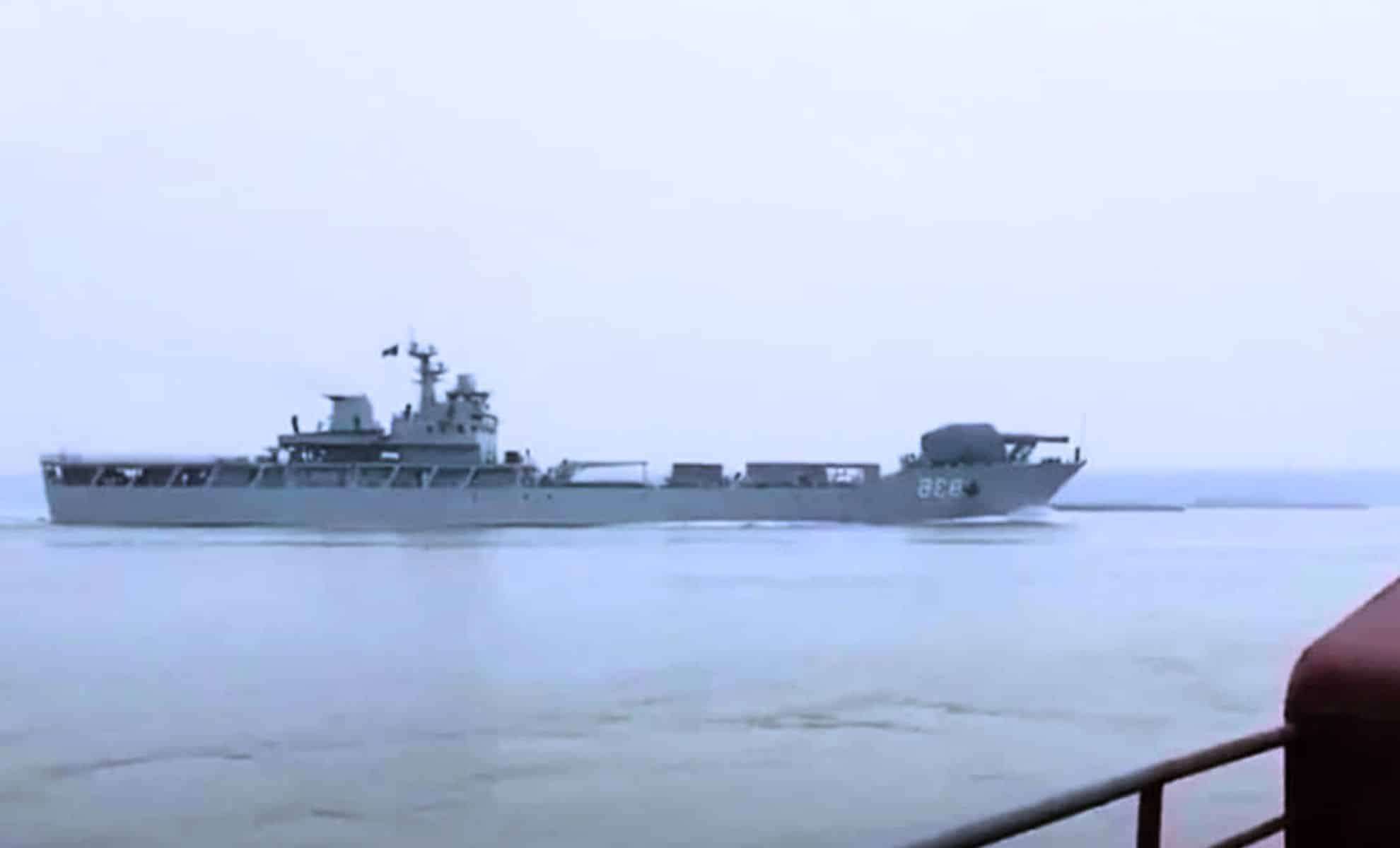
Researchers within China’s military innovation sector have introduced a cutting-edge electromagnetic railgun concept that might reshape the future of long-distance weapon systems. Released through a study by the People’s Liberation Army's (PLA) Army Engineering University and covered by outlets like the South China Morning Post and Asia Times, this weapon is engineered to launch heavy rounds at speeds exceeding Mach 7. If realized, the technology could offer formidable firepower with far less operational cost than traditional missile alternatives.
Innovative Solution to Persistent Railgun Challenges
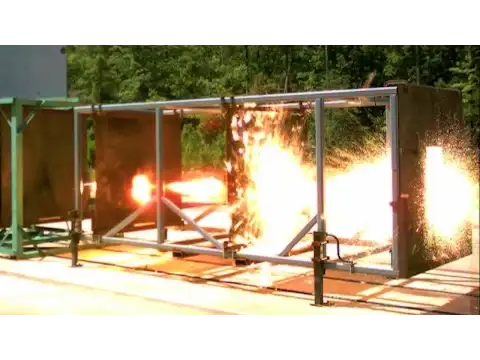
Unlike traditional cannons using explosive charges, railguns harness electromagnetic forces to accelerate projectiles at extraordinary velocities. Although explored for several decades by nations such as the U.S., Japan, and China, the development has been hindered by significant technical barriers.
The newest Chinese model introduces a unique x-shaped architecture. As detailed by principal scientist Professor Lyu Qingao, this design incorporates two railgun systems arranged perpendicularly within a single barrel, each powered by an independent circuit. This setup enables dual electromagnetic fields to operate without mutual interference.

Researchers predict the railgun can launch a hefty 60-kilogram round beyond 400 kilometers in under six minutes, with speeds topping Mach 4 upon impact. Earlier Chinese naval prototypes, starting from 2018 aboard the Haiyangshan, were limited to firing 15-kilogram projectiles due to severe rail wear from intense electrical currents.
Comparing China's Innovation With U.S. and Japanese Initiatives
While China rapidly advances its railgun development, other countries have diverged. The United States discontinued its electromagnetic railgun efforts in 2021, citing persistent high costs and unresolved engineering challenges, opting instead to invest in hypersonic missile technology.
Japan focuses on smaller railgun models capable of firing 300-gram shells at about Mach 6.5. Developed by the Defense Ministry's Acquisition, Technology and Logistics Agency (ATLA), these systems have undergone tests aboard the JS Asuka and are intended mainly for missile interception roles.
China’s approach is notably more ambitious. Should technical obstacles be resolved, its railgun design could deliver heavy projectiles with speeds rivaling missiles but at a fraction of the cost. These kinetic rounds avoid the use of costly guidance or explosive payloads, making them more difficult to intercept and cheaper to manufacture.

Technical Barriers and Deployment Challenges Remain
Despite solid theoretical promise, the x-shaped railgun remains in developmental stages without active firing tests. A significant challenge is the proximity effect, where electrical circuits placed closely can interfere, leading to efficiency drops or potential system breakdowns.
Integrating this power-intensive, bulky weapon into mobile or naval platforms also presents practical difficulties. The U.S. Navy's experience revealed that barrel degradation and the need for immense pulse power restricted railgun durability to about 100 shots. Defense analysts warn that such complex installations could themselves become vulnerable assets.
Nevertheless, China’s persistent advancement contrasts with the U.S. scaling back and Japan narrowing its scope. This focus implies the PLA views railgun technology as a strategic asset that could dominate future conflicts, especially across the Asia-Pacific, by enabling swift strikes on distant targets.
- Categories:
- News












0 comments
Sign in to Comment