
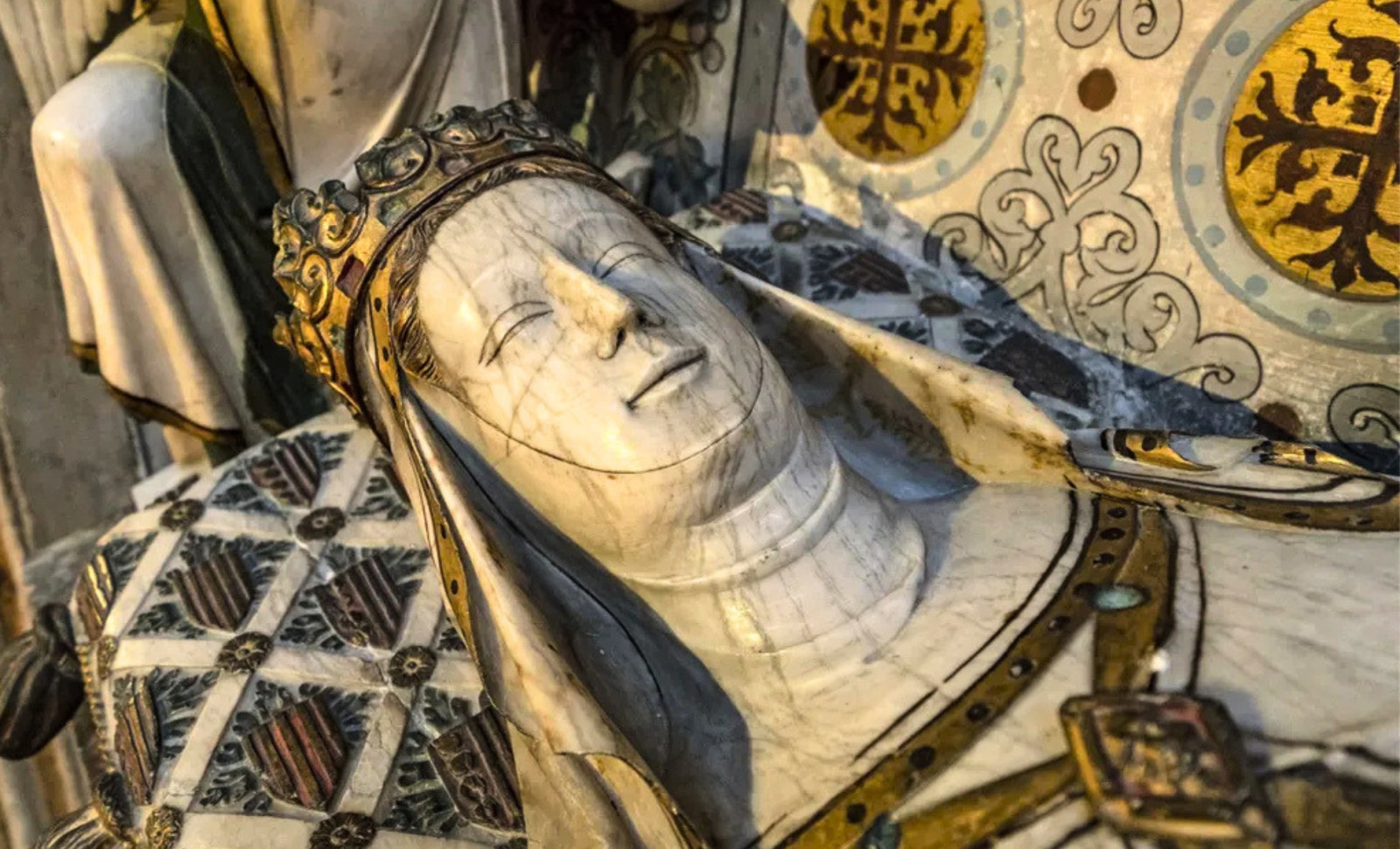
When archaeologists carefully opened the tomb of a medieval queen in Barcelona, they found fresh rosemary and myrtle placed beside the wooden coffin. These botanical remnants, along with silk fragments woven with metal threads, signified the funeral rites performed on Queen Elisenda of Montcada nearly seven centuries ago.
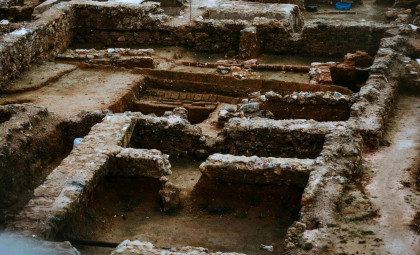
A comprehensive study undertaken at the Royal Monastery of Santa Maria de Pedralbes successfully identified Elisenda’s skeleton along with those of 24 other individuals interred within eight graves from the monastery’s origin period. This initiative, launched to commemorate the monastery’s 700th year, united experts in archaeology, osteology, conservation, plant residue analysis, and genetics. This is the first extensive examination of the founding burials at this historic location, as reported by the Culture Institute of Barcelona.
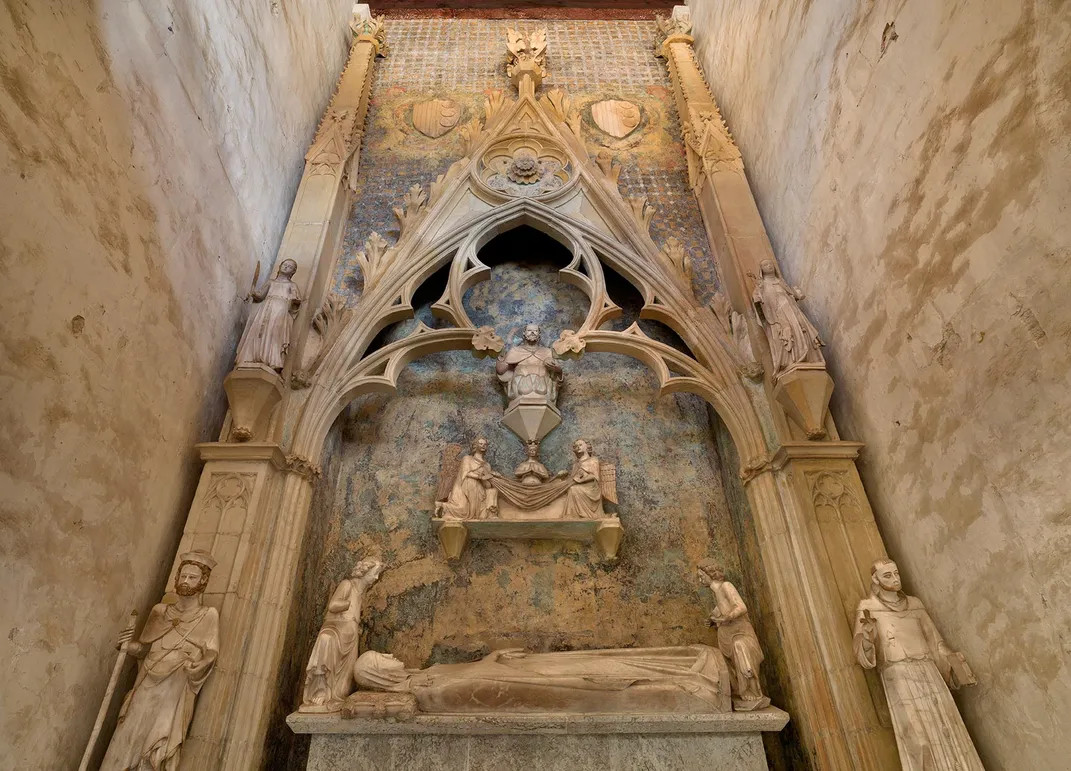
After the tombs were opened and the contents thoroughly documented, the team analyzed human remains and burial artifacts, before carefully restoring and reinterring everything. The May 28 release of results is challenging prior historical assumptions about the monastery’s earliest inhabitants.

Queen Elisenda’s Burial Featured Simple Fabrics and Ritual Plants
Queen Elisenda of Montcada established the Royal Monastery of Santa Maria de Pedralbes in 1327, shortly before the passing of her husband, King James II of Aragon. She entered the monastery community the year after and resided there for nearly four decades. Despite not officially taking religious vows, she wielded significant influence over the Poor Clare nuns. Elisenda died in 1364.
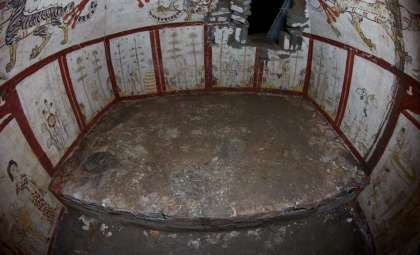
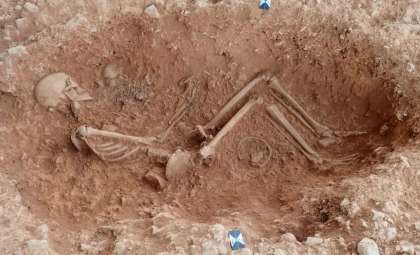
Within her burial chamber, researchers uncovered her remains in a wooden medieval coffin housed inside a larger tomb structure. Historical texts described a burial arrangement reflecting both her royal stature and religious role.
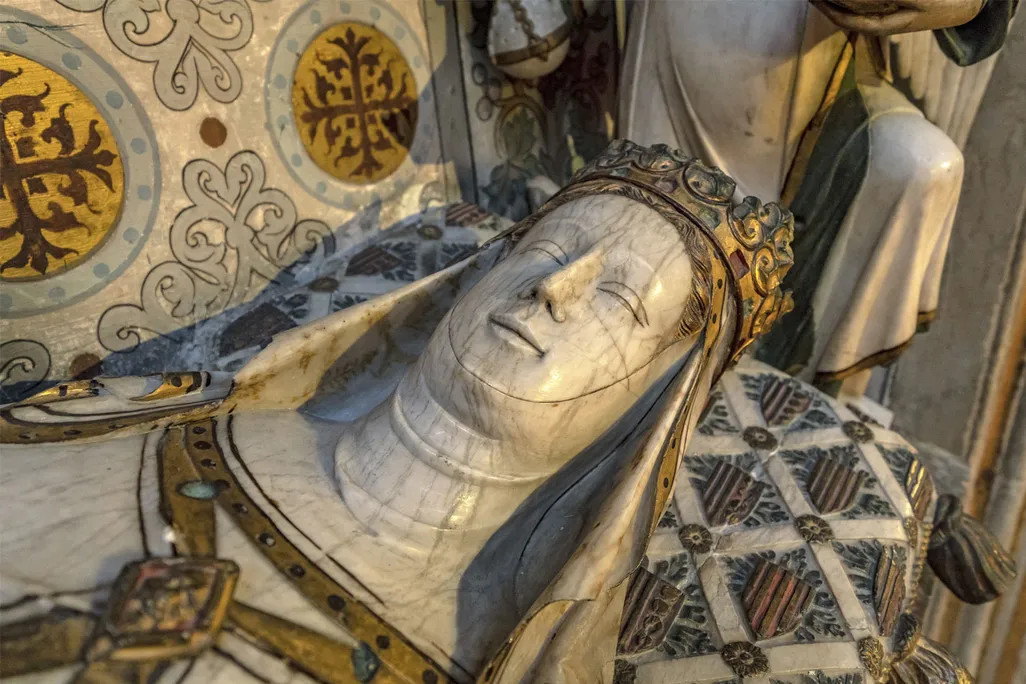
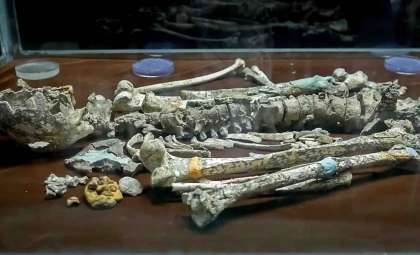
Examination of her skeleton suggests she was approximately 70 years old at death. Her bones reveal signs of osteoarthritis, a widespread degenerative joint disease associated with aging. The queen was interred wearing modest garments consistent with monastic customs. Nonetheless, fragments of silk embellished with metal thread were also recovered. Additionally, rosemary and myrtle found in the tomb likely formed part of the funeral ceremonies conducted during her interment.
New findings overturn previous beliefs about the tomb’s configuration. Scholars had assumed Elisenda’s sarcophagus was placed across a dividing wall between the church’s presbytery and cloister. “However, archaeology has disproved that assumption,” noted Sílvia Marimon in the Catalan newspaper Ara. Instead, the tomb features two sections aligned back-to-back, separated by a small partition.
Unexpected Identities in Surrounding Graves
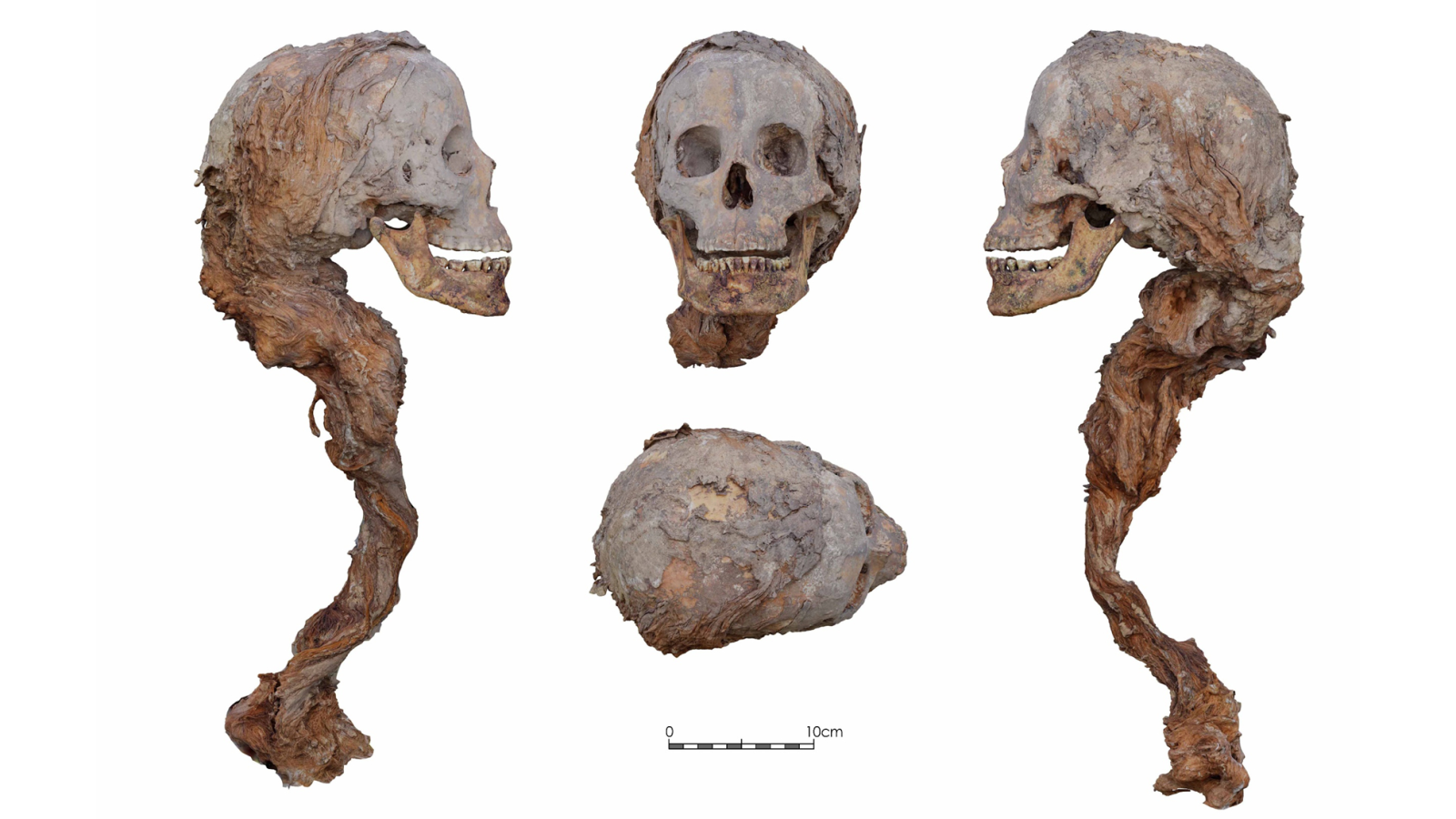
The graves nearby yielded unexpected discoveries. One tomb once thought to belong to the knight Artau de Foces had no adult male remains. Instead, the remains of two women and three children were identified. Notably, one woman retained a ponytail attached to her skull, a rare case of hair preservation after nearly 700 years.
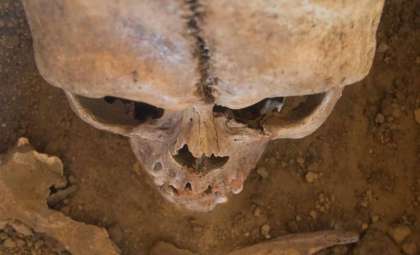
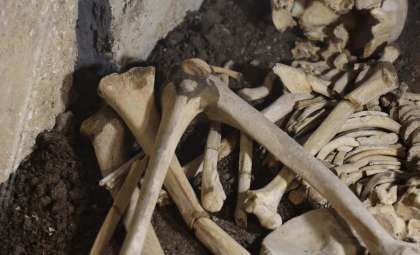
Another grave, historically linked to Francesca Saportella—the monastery’s second abbess and Elisenda’s niece—contained at least nine individuals buried over different periods. The tomb was apparently accessed and reused multiple times. Among these remains, archaeologists found four male skulls with stab wound damage.
The team also uncovered the mummified remains of a woman’s torso, with a fetus still positioned in the birth canal, estimated to be between 20 and 23 weeks gestation. Researchers are currently examining related documents found in the tomb, including parchment fragments and sheets with writings and musical notation.
In the tomb of Sobirana Olzet, the monastery’s inaugural abbess, the skeletal remains corresponded with historical descriptions. A facial injury caused by a sharp instrument was identified, inflicted shortly before or near the time of her death. Specialists are investigating the context of this wound.
A High-Status Female Community Masking Hidden Violence
The wider study reveals a group primarily comprised of affluent women who often lived to advanced ages for the 14th century. Bone analysis detected osteoarthritis, traumatic injuries, and potential metabolic ailments, shedding light on health, lifestyle, and daily life conditions inside the affluent religious community.
Burial practices varied greatly across the site. Some individuals were wrapped in textile bundles or funerary sacks, while others rested directly in tomb chambers. Researchers noted traces of candles, cords, flower offerings, and aromatic plants. More than 200 archaeobotanical samples helped reconstruct rites associated with death and memorialization.
Several tombs near Elisenda’s held men who suffered fatal stabbing wounds, indicating unresolved violent episodes within the monastery. Genetic research efforts have commenced, though they remain in early stages. Scientists are currently extracting DNA from bones and teeth to verify identities, establish kinship, determine origins, and detect ancient diseases.
Further analyses, including radiocarbon dating, textile evaluations, and material studies, are planned by the research team in upcoming months.
- Categories:
- News




0 comments
Sign in to Comment