
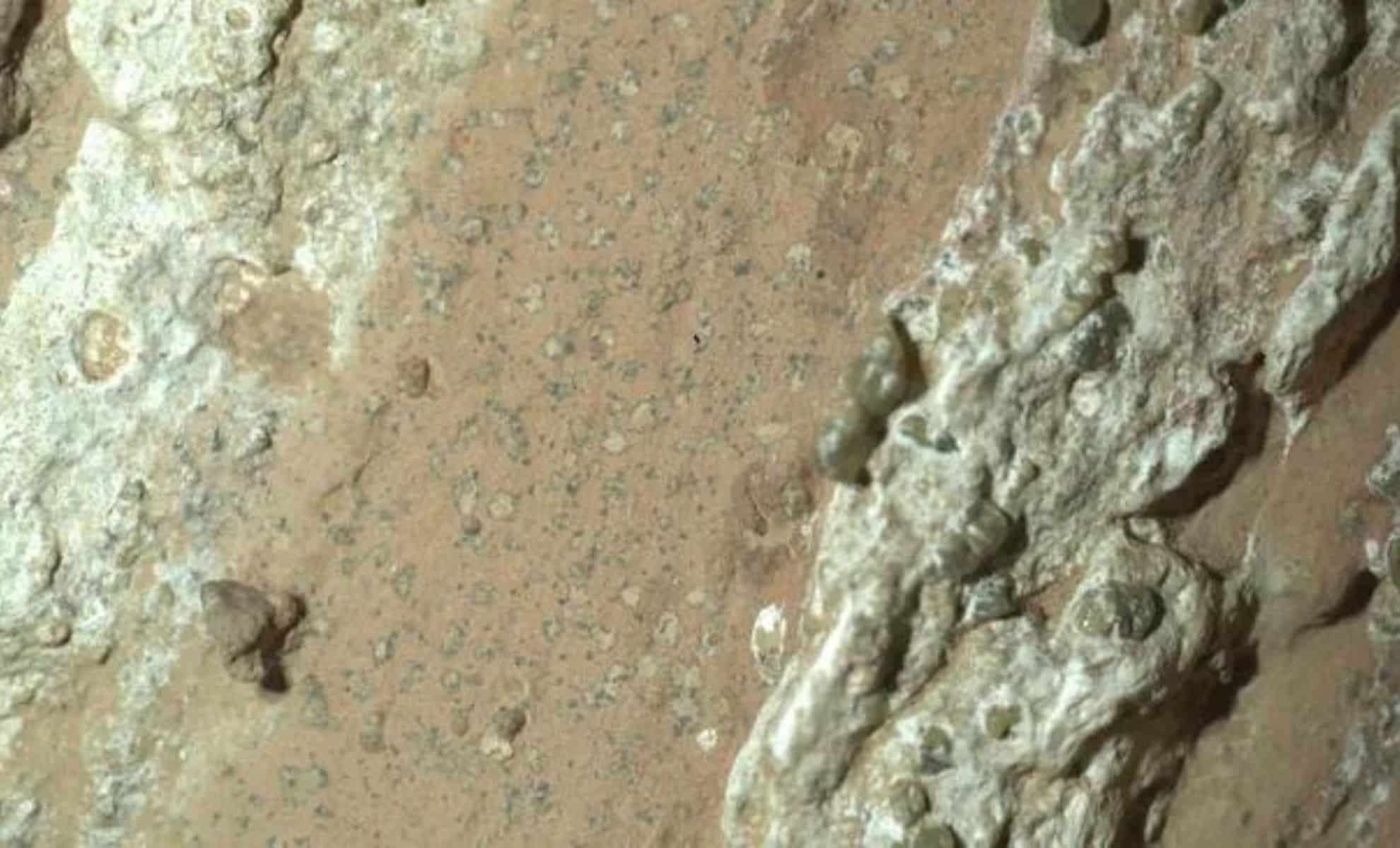
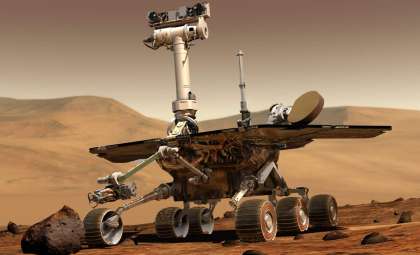
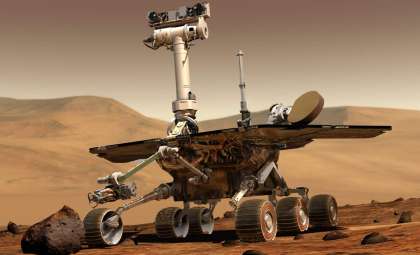
NASA’s Perseverance rover has identified a remarkable Martian rock that may hold evidence of early microbial life.
Known as “Cheyava Falls,” this specimen displays chemical properties and formations similar to those generated by microbial processes on Earth.
This finding is especially thrilling because it could shed new light on Mars’ biological and geological history if proven to be biological in origin. It adds a vital clue to our understanding of the Red Planet’s ancient environment and its potential to have supported life.

Distinctive Characteristics of the Cheyava Falls Rock
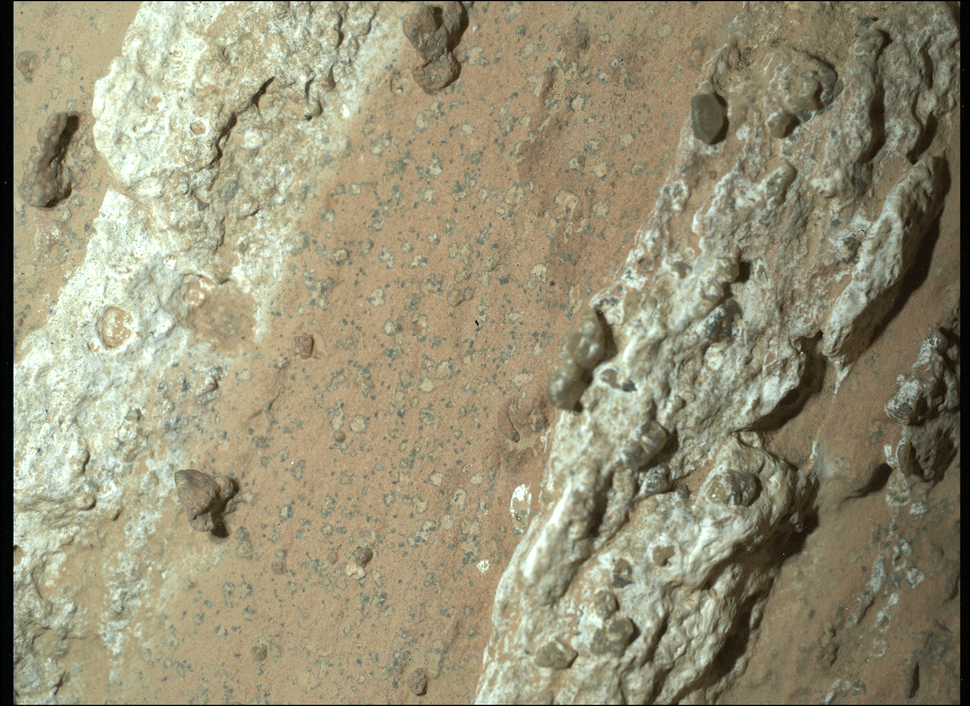
Collected on July 21 near a long-dry river valley within Jezero Crater—an area thought to have once hosted a lake—the rock contains calcium sulfate veins and tiny spots rich in iron and phosphate.
These traits closely resemble those found in Earth’s microbial mats, which are microbial colonies capable of fossilizing and preserving signs of life. Katie Stack Morgan, the deputy project scientist, emphasized, “On Earth, these features typically indicate biological activity, though similar chemical reactions can also happen without life.”
The presence of organic molecules enhances the intrigue, as these components are fundamental building blocks for life. Though non-biological processes can generate organics, their coexistence with this particular mineralogy bolsters the idea of a once habitable Martian environment.
Further examination of these organic compounds and associated minerals might reveal important details about early Martian conditions.
The Crucial Role of the Mars Sample Return Mission
The discovery underscores the importance of the Mars Sample Return initiative, which seeks to return Martian rocks and soil to Earth for more thorough investigations. While the Perseverance rover has sophisticated instruments for immediate study, it cannot conclusively determine the biological nature of such features.
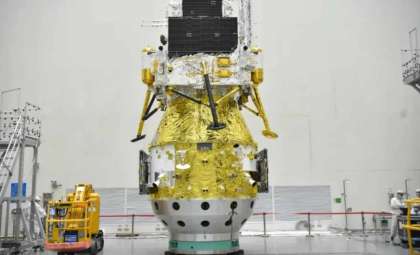
The mission involves collecting samples with Perseverance, storing them securely, and launching them into Martian orbit. The European Space Agency will then capture these samples and transport them back to Earth. Despite mounting financial and technical challenges—with projected expenses increasing from $4 billion to nearly $11 billion—the mission is essential for detailed analysis of potential biosignatures.
“We are not yet able to confirm life on Mars,” Stack Morgan cautioned, stressing the preliminary nature of these observations and the need for detailed Earth-based laboratory tests. Such analyses could ultimately provide definitive evidence of ancient Martian life, marking a monumental step in humanity’s quest to understand life beyond Earth.
Broader Consequences for Extraterrestrial Life Exploration
The Cheyava Falls discovery marks a landmark moment in the search for Martian life. While scientists urge caution, acknowledging that non-living processes might explain the features, this find remains one of the strongest indicators of past life on Mars.
Andrew Steele, an astrobiologist at the Carnegie Institution for Science, highlighted the rock’s intriguing chemistry—especially the iron and phosphate concentrations—and signs of past water activity. Describing the site as “highly favorable for life,” he pointed to its potential as a once-hospitable environment.
The ramifications of this discovery could transform our understanding of life’s prerequisites and expand the potential for life elsewhere in our solar system and beyond.
If ancient life on Mars is confirmed, it would imply that life can arise in a wider variety of settings than previously realized, boosting the chances of finding life on other worlds. It could also influence the direction of future missions, notably those focused on subsurface habitats that might still harbor life today.







0 comments
Sign in to Comment