
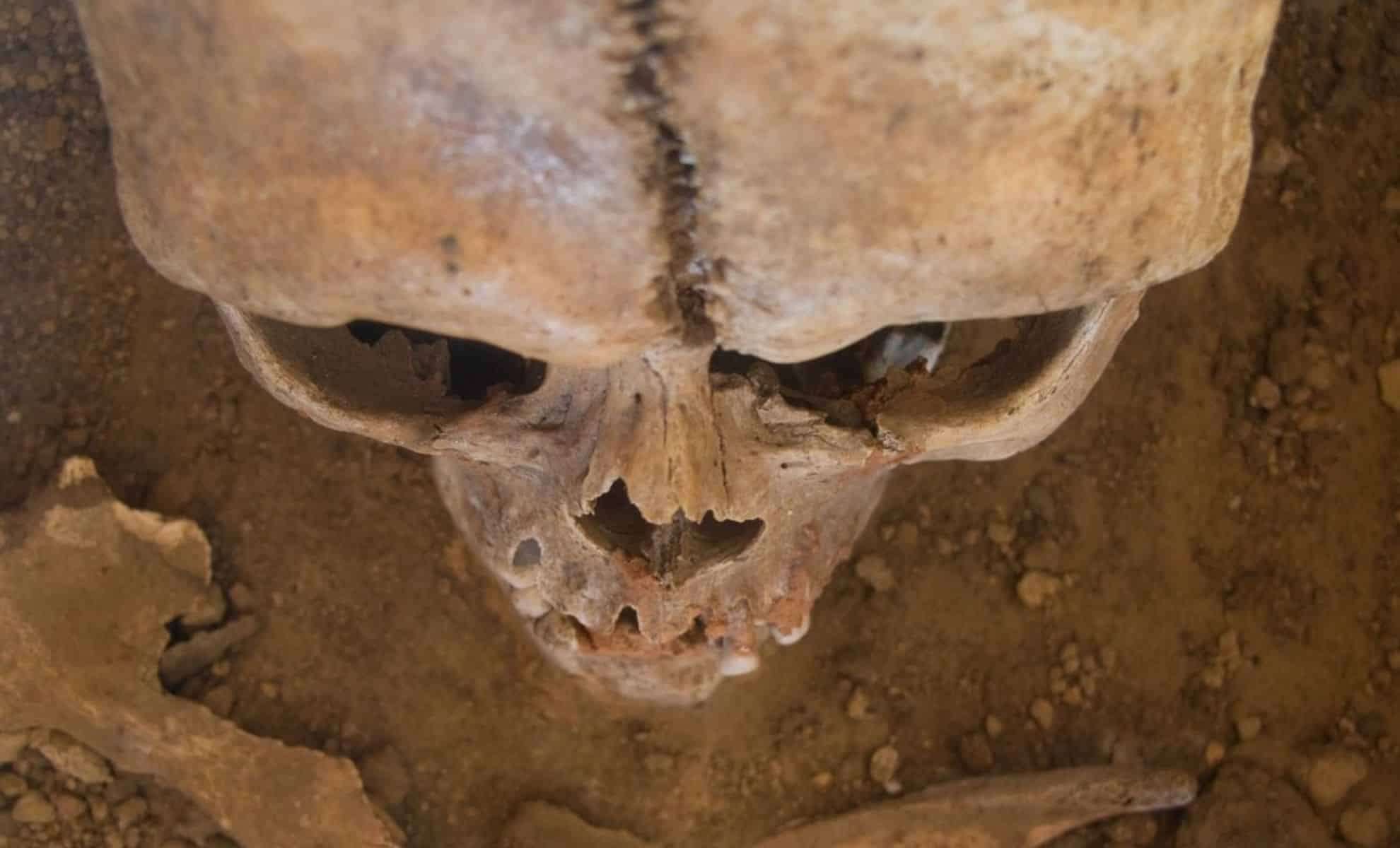
During excavations at two separate European locations, archaeologists uncovered an astonishing total of 317 human skeletons underneath sites that previously housed department stores. These remains were found beneath a Monoprix in Paris and beneath the former Debenhams store in Gloucester, England.
Discovering a Medieval Medical Site and Lost Ecclesiastical Building
In Paris’s 2nd arrondissement, the team investigated the Monoprix Réaumur-Sébastopol location, which stands where the Trinité Hospital once operated from the 12th through the 17th centuries.
Archaeologists from the Institut national de recherches archéologiques préventives (INRAP) uncovered multiple rows of meticulously arranged human remains as part of preliminary construction surveys. These methodical burials suggest a rapid response to a serious health emergency, such as a plague epidemic, necessitating large-scale interment procedures.

The skeletons appeared in stratified layers, reflecting the recurring use of this burial site during successive waves of mass fatality. Although Paris has yielded skeletal discoveries before, the volume of remains here renders this one of the most remarkable finds in recent years.
Meanwhile, in Gloucester, archaeologists from Cotswold Archaeology conducted investigations at what will become the University of Gloucestershire’s City Campus. This area once contained St Aldate’s Church, dating back to medieval times and demolished during the mid-17th century.
Historical documents reveal that stones from the demolished church were recycled to repair other Gloucester churches damaged notably during the English Civil War. An 18th-century parish church later replaced the original, only to be dismantled in the 1960s for the department store construction.
Revealing Extensive Burial Sites in Urban Centers
Excavations in Gloucester revealed 83 burial vaults lined with bricks within the former church structure and its adjacent cemetery. These vaults had previously been cleared in the 1950s before the department store was built. Researchers also discovered approximately 150 post-medieval graves alongside about 170 earlier medieval burials, associated with the initial church.
The combined count of 317 skeletons matches the total uncovered in Paris. The team did not fully delineate the medieval church’s earlier footprint but uncovered a limestone wall retaining lime plaster likely representing part of the original structure. This suggests the historic church’s layout extended further south than previously documented, indicating the two churches’ floor plans did not align.
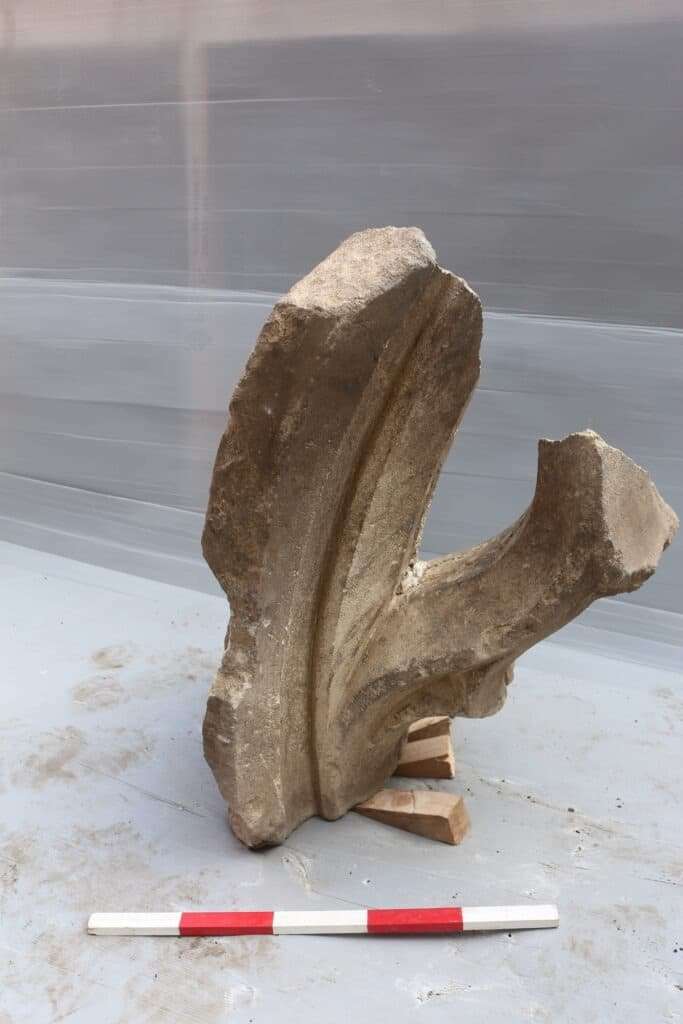
Archaeologists also retrieved ornate stone fragments, including a piece of a mid-14th-century window arch with interior tracery. These artifacts are being conserved for exhibition at the campus to create a space for historical education and commemoration.
Insights into Past Lifestyles and Roman Legacies
The findings extend beyond architecture and burials. At Gloucester, ongoing scientific investigations of the skeletons aim to illuminate the health conditions and daily lives of urban residents over the last millennium.
Preliminary results highlight a notable shift in diet during the 16th century, with evidence of increased dental decay linked to higher sugar intake. These findings will contribute to a comprehensive report exploring public health trends in medieval England.
Excavators also explored the basement of the former Debenhams store, where they uncovered signs of Roman-era activity. These remains included wall foundations with selectively removed stones, timber flooring, compacted surfaces, and various excavation pits and ditches.
These discoveries correspond with earlier archaeological work conducted in the 1950s and 1960s, reinforcing Gloucester’s rich and multi-layered historical landscape.
- Categories:
- News












0 comments
Sign in to Comment