
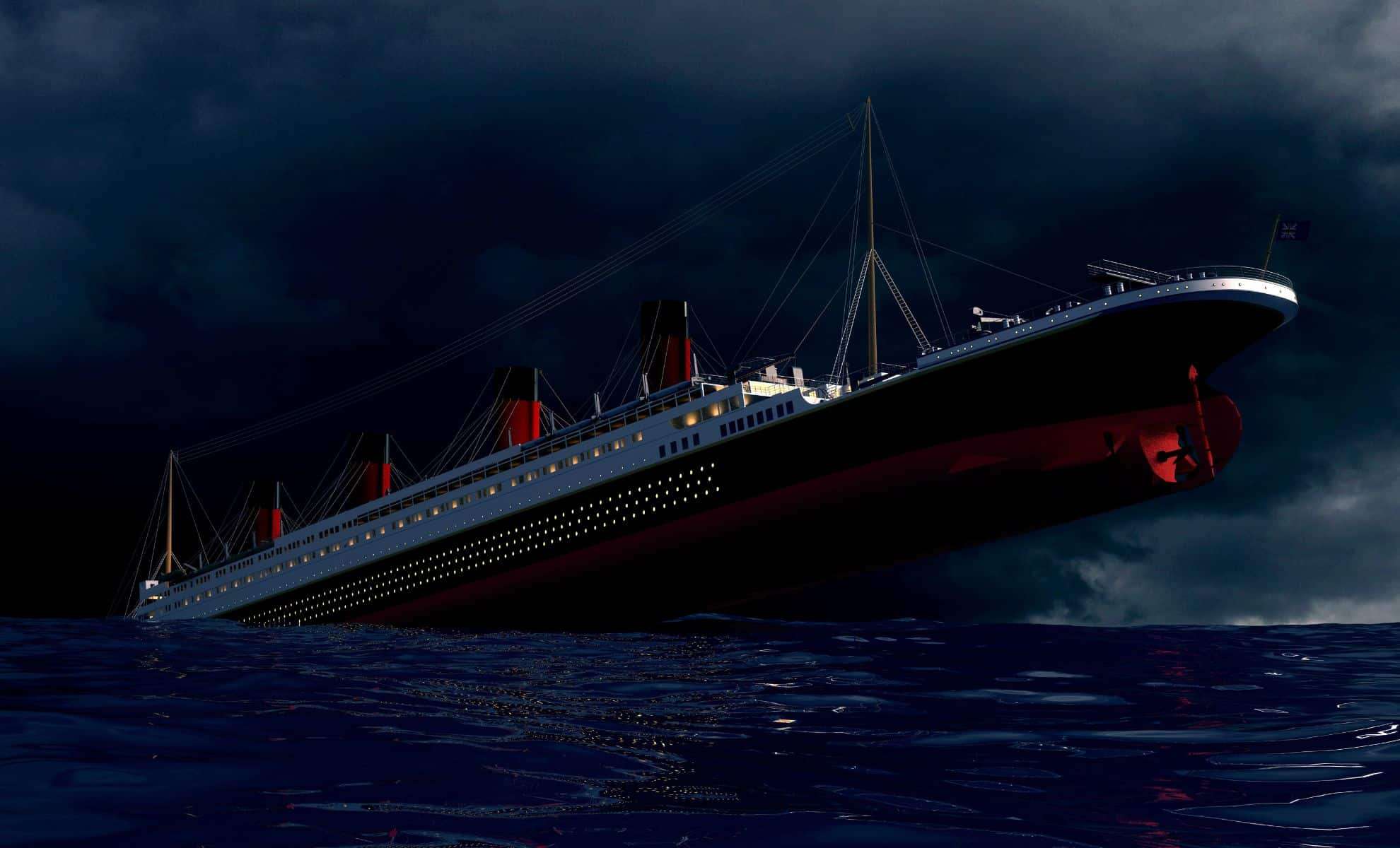
The Titanic, known as one of the most tragic maritime disasters in history, has fascinated explorers and historians for over 100 years. Despite the ship’s sinking claiming more than 1,500 lives, countless dives and advanced underwater investigations have revealed a surprising fact: no human skeletons have been discovered at the wreck site.
This absence raises important questions about why no physical remains have surfaced after decades of exploration.
Impact of Life Jackets and Ocean Movement
James Cameron, renowned director of the 1997 film Titanic, has personally surveyed the wreck over 30 times. In a 2012 interview with The New York Times, he remarked, “I’ve seen zero human remains. We’ve seen clothing. We’ve seen pairs of shoes, which would strongly suggest there was a body there at one point. But we’ve never seen any human remains.”

The prevalence of life jackets among passengers and crew offers a key explanation. Although insufficient lifeboats limited survival chances, many wore life jackets which kept their bodies afloat after death. These buoyant remains were likely carried away by the Atlantic currents.
Strong underwater currents and storms over time would have dispersed the bodies far from the original wreck site, reducing the chance of any remains being found near the ship.
Deep-Sea Conditions and Bone Decomposition
The Titanic lies roughly 12,500 feet (3,800 meters) below sea level, placing it in extreme deep-sea conditions hostile to bone preservation. While human bones have been recovered from other submerged wrecks, the unique chemical environment at this depth causes rapid dissolution.
As deep-sea explorer Robert Ballard explained in a 2009 NPR interview, “The issue you have to deal with is, at depths below about 3,000 feet (around 914 meters), you pass below what’s called the calcium carbonate compensation depth.” This zone is deficient in calcium carbonate, which is essential for bone structure. Consequently, bones exposed to the deep-sea environment and scavengers deteriorate and dissolve over time.
Even after aquatic creatures consume the flesh, the remaining bones degrade due to the corrosive water chemistry, making it unlikely any skeletal remains persist at the Titanic site.
Possibility of Remains in Sealed Compartments
Some researchers propose that areas of the ship still sealed, such as the engine room, where fresh, oxygenated water may not reach, could harbor intact human remains. However, given more than a century has passed, the chances of such discoveries are slim. Most efforts to retrieve remains from these sections are currently viewed as unproductive.
Today, the Titanic wreck serves as a poignant monument to the lives lost, with many advocating for respect and remembrance rather than further disturbance in search of remains.
- Categories:
- News











0 comments
Sign in to Comment