
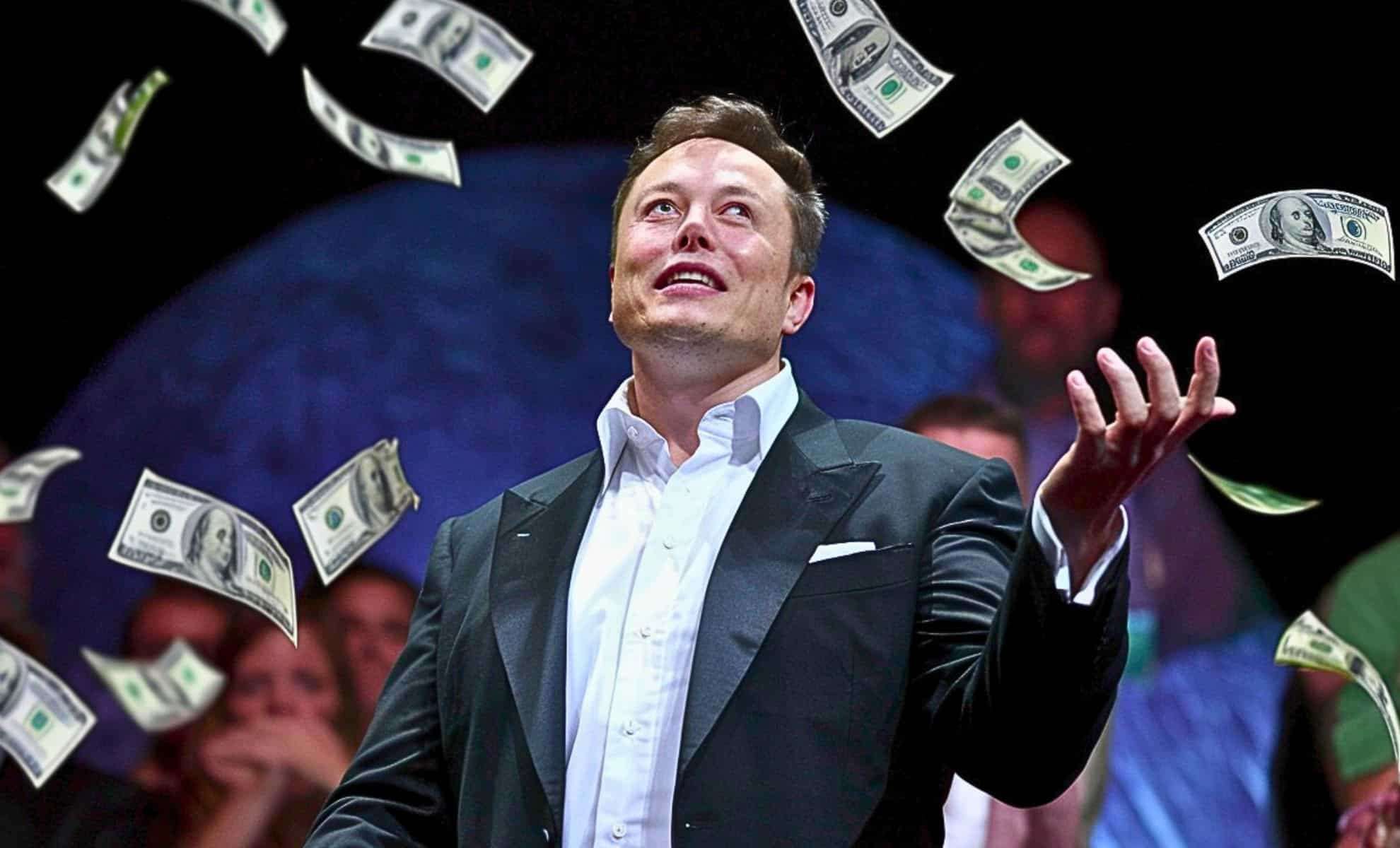
Leading the charge in robotics innovation, Tesla, under the guidance of Elon Musk, is offering an enticing opportunity linked to its cutting-edge Optimus humanoid robot initiative. This unique role promises over $6,000 each month and involves hands-on, physically intense tasks essential for advancing robotic capabilities.
Inside the Role: What’s Expected
The job focuses on developing the “physical intelligence” behind Tesla’s Optimus robot, a pioneering humanoid machine. Candidates use virtual reality headsets and motion tracking suits to carry out a variety of movements that help train Optimus’ neural systems. Activities include everything from simple tasks like standing and walking to complex ones such as twisting, lifting, and maintaining balance. These motions provide vital data that enables Tesla to enhance the robot’s ability to replicate human actions.
Wearing the gear isn’t easy — the motion capture suits add bulk and weight, while the VR devices require intense mental concentration. Those chosen essentially become live models, demanding endurance and precision to execute repetitive, controlled movements.

What Tesla Looks for in Candidates
The company has outlined stringent criteria for applicants:
- Height requirements: Applicants should be between 5’7” and 5’11” tall to align motion input with Optimus’ humanoid dimensions.
- Physical stamina and resilience: Prospective workers must tolerate long shifts, including evening and weekend hours. Overtime willingness is key, underscoring Tesla’s commitment to fast-paced progress.
- Technical flexibility: While not mandatory, experience with virtual or augmented reality technology can provide a competitive benefit. The role combines physical exertion with digital interface skills, making adaptability essential.
The VR Factor: Challenges and Adaptation
Prolonged use of virtual reality poses distinctive challenges. Tesla recognizes potential issues such as VR sickness—symptoms can encompass dizziness, headaches, and nausea after extended headset use. Managing these effects is part of the rigorous endurance expected from participants.
Applicants must balance physical demands while coping with cognitive strain from immersive tech. Those who can adapt will gain rare insight into the synergy of human and robotic systems.
Optimus’ Expanding Role Beyond Manufacturing
More than just a research project, Optimus embodies Tesla’s ambition to revolutionize everyday living. Launched in late 2023 with a price tag near $22,000, Optimus boasts features such as:
- Agile locomotion: The robot demonstrates walking, bending, and lifting while maintaining balance in typical environments.
- Human interaction skills: Designed to assist with household chores like tidying and organizing.
- Industrial application: Active at Tesla’s Fremont plant where it supports repetitive assembly line tasks, boosting productivity.
This combination of affordability and versatility signals Tesla’s goal of mainstreaming robotic solutions far beyond just factory floors.
Elon Musk’s Vision for Robotics
Musk envisions humanoid robots transforming the labor landscape by taking over repetitive or hazardous roles, while simultaneously opening new paths in technology-centered careers. The Optimus project reflects this strategy, aiming to weave robots seamlessly into daily life.
Despite regulatory scrutiny—particularly from the European Union regarding its links with China—Tesla pushes forward. Musk’s dedication to groundbreaking tech positions his company at the forefront of robotics exploration.
Shaping the Future of Human-Robot Collaboration
This job exemplifies how Tesla views the future relationship between humans and robots. By merging robotics, augmented reality, and human physiology, it pioneers a model where robots become partners rather than mere tools.
For those engaged, the role goes beyond lucrative pay—it’s a transformative experience. Employees help forge technologies that could redefine industries from manufacturing and logistics to home care. This role places workers at the cutting edge of human-machine integration.
Broader Social Consequences
The Optimus initiative pushes society toward greater automation where robots assist and amplify human efforts. Tesla’s robotics could relieve labor shortages, enhance worker safety, and provide new personal assistant options for households.
Yet, automation raises important questions about its effects on employment, wages, and social frameworks. Musk’s vision suggests a future where humans can focus on creative, high-skill tasks while robots handle mundane or hazardous duties. The societal impact will depend heavily on how people adjust to this technological shift.
- Categories:
- News








0 comments
Sign in to Comment