
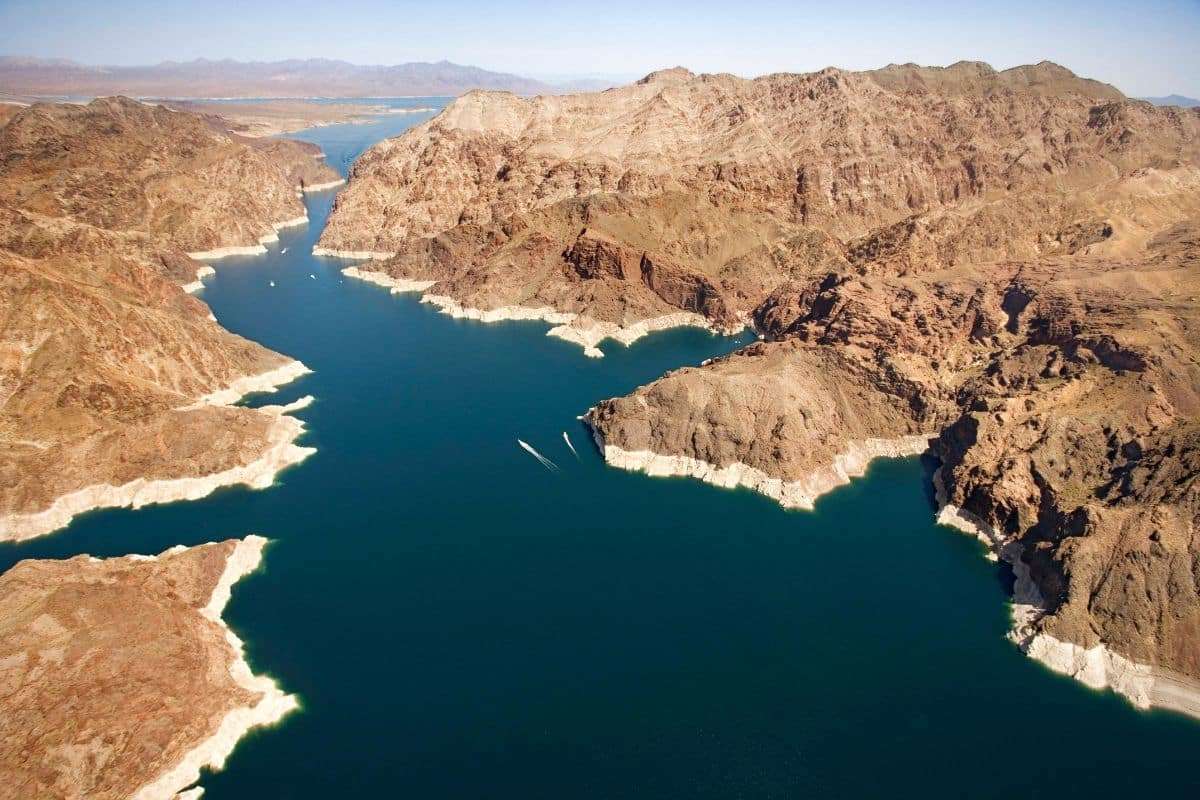
A collaborative effort by scientists from the University of Oregon, Oregon State University, and the U.S. Forest Service has uncovered an immense subterranean water source beneath the Cascade Mountains. This aquifer is believed to contain three times the water volume of Lake Mead, the largest reservoir in the United States. Earth scientist Leif Karlstrom refers to this vast underground feature as a “continental-scale lake,” emphasizing the significant natural resource concealed beneath this geologically dynamic region.
Immense Water Cache Hidden in Volcanic Bedrock
During geothermal drilling operations in the Cascades—a volcanic mountain chain extending approximately 700 miles from northern California to British Columbia—researchers detected unexpectedly moist rock formations deep underground. These conditions indicate the presence of a giant aquifer contained within porous volcanic substrates unique to this active geological zone. The discovery points to a large-scale natural reservoir stretching beneath the range.
Initial analysis estimates this underground lake contains around 81 cubic kilometers of water. This volume surpasses Lake Mead’s capacity by three times and highlights a critical resource amid growing concerns over freshwater scarcity. Karlstrom describes the Cascade Mountains as a towering “water reservoir” fueled by extensive volcanic activity.

Volcanic Origins Shaping the Cascades’ Hydrology
The Cascade Range exhibits two geologically distinct sections: the High Cascades, marked by relatively young volcanic formations that are about 8 million years old with smoother terrain, and the Western Cascades, consisting of older volcanic structures roughly 45 million years old sculpted into rugged valleys and canyons by rivers.
This contrast allowed scientists to unravel how volcanic processes over millions of years produced fractured layers of lava that formed permeable pathways, enabling groundwater to accumulate and persist. The interaction of volcanism and hydrology creates an extraordinary environment for ongoing study.
Discovery Brings Hope but Raises Sustainability Concerns
Though the vast underground reservoir offers promising potential, scientists caution that its replenishment depends primarily on snowpack, which is anticipated to decrease substantially due to climate change. Declining snowfall threatens the aquifer’s recharge capacity, posing risks to its long-term viability.
The seasonal snowpack is essential for maintaining water flow into this hidden reservoir, acting as a natural safeguard for the region’s water balance. However, rising temperatures and altered precipitation patterns could disrupt this equilibrium, complicating dependable use of the resource.
Potential Solutions Amid Worsening Water Shortages
With water scarcity intensifying globally and drought conditions stretching existing storage systems in the western U.S., this newly identified aquifer could become a vital supply—if carefully managed. Extracting water from this source would require meticulous planning due to environmental, logistical, and regulatory challenges.
Ongoing research aims to determine how best to utilize this underground hydrological reserve to aid both human populations and natural habitats. Protecting the Cascades’ intricate water system and deepening our geological understanding remain priorities.
The discovery beneath the Cascade Mountains reveals how much resource potential lies concealed within Earth's structure. It highlights the critical role of scientific inquiry and the imperative to balance resource use with ecological responsibility. As climate change challenges water availability, innovations like this could be crucial in securing future water supplies.
- Categories:
- News





0 comments
Sign in to Comment