
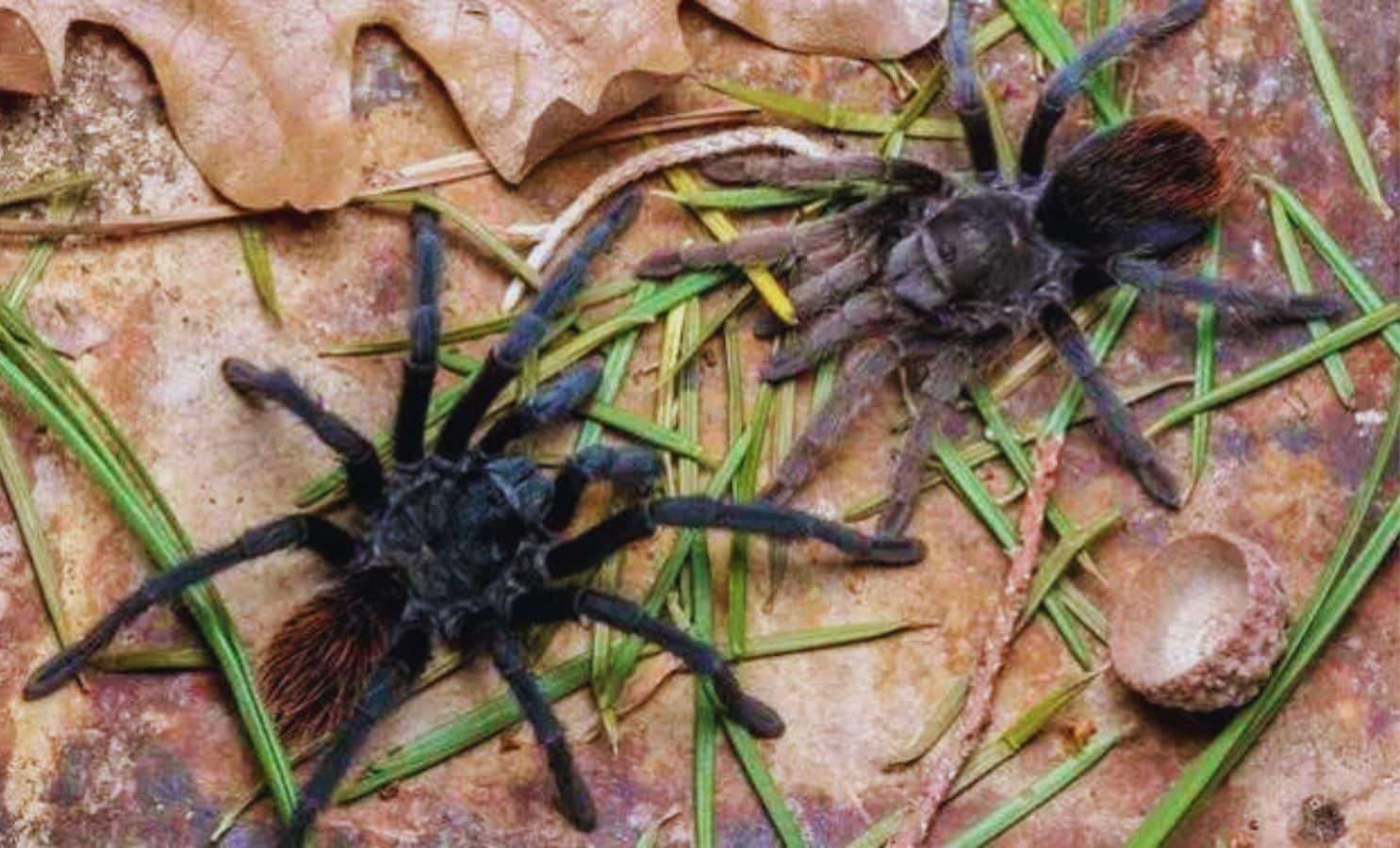
A previously unknown tarantula species named Aphonopelma jacobii has been identified in the secluded forests of Arizona's Chiricahua Mountains, an area celebrated for its diverse wildlife and distinct habitats.
This discovery marks the 30th tarantula species recorded in the United States and highlights the ecological significance of the Madrean Sky Islands, the biodiverse mountain range where it was found.
The finding suggests that additional undiscovered tarantula species might inhabit this biologically rich region.

An Unexpected Find in the Chiricahua Peaks
The identification of Aphonopelma jacobii initially stemmed from a misidentification. In 2019, scientists gathered several tarantulas in the Chiricahua Mountains, mistakenly assuming they belonged to the already known species Aphonopelma chiricahua, indigenous to the region.
Subsequent DNA sequencing revealed unique genetic markers that set these spiders apart from A. chiricahua, confirming them as a new species. This prompted researchers to revisit the mountains the following year for further sample collection and detailed examination of these distinct tarantulas.
Chris Hamilton, assistant professor at the University of Idaho and co-lead of the research team, remarked, “This discovery represents the 30th tarantula species documented within the U.S.” Hamilton highlighted the vital role of the Chiricahua Mountains in biodiversity research, stating, “The genus Aphonopelma boasts the greatest species variety globally, and our studies continue unveiling new species in this critical biodiversity hotspot.”
Characteristics of Aphonopelma jacobii
Aphonopelma jacobii stands out with its dark gray and black body adorned by striking bright red hairs on the abdomen. These tarantulas inhabit cooler forested zones of the Chiricahua Mountains, demonstrating that tarantulas are not confined to hot desert environments.
Researchers documented both male and female individuals, noting their smaller size relative to other tarantulas yet maintaining hallmark features such as strong jaws and formidable fangs.


Named in tribute to Michael A. Jacobi, a devoted tarantula expert who played a key role in gathering the initial specimens, A. jacobii honors his vital contributions to tarantula discovery and conservation.
This finding draws attention to the Madrean Sky Islands, a series of isolated mountain ranges extending from Mexico into the southwestern United States. The Chiricahua Mountains lie within this ecosystem, acting as an environmental bridge between deserts and forests and sustaining species unique to this habitat.
Preserving Biodiversity in the Chiricahua Region
The unearthing of Aphonopelma jacobii emphasizes the need for ongoing biological surveys in the Chiricahua Mountains, an area increasingly recognized for its extraordinary biodiversity. These isolated peaks provide sanctuary to species adapted to cooler, forested environments, contrasting with the surrounding desert landscapes. The Madrean Sky Islands are critically important for conservation due to their many endemic organisms, including A. jacobii.
Scientists anticipate that further investigations in the Chiricahua Mountains will reveal more new tarantula species as well as other previously undocumented creatures. According to Hamilton, “The region remains understudied, and our research indicates several species are yet to be found.”
The discovery of A. jacobii in the cooler mountain forests challenges the common belief that tarantulas predominantly inhabit deserts, opening new research directions on how these spiders adapt to varied environments and their ecological roles within forest ecosystems.













0 comments
Sign in to Comment