
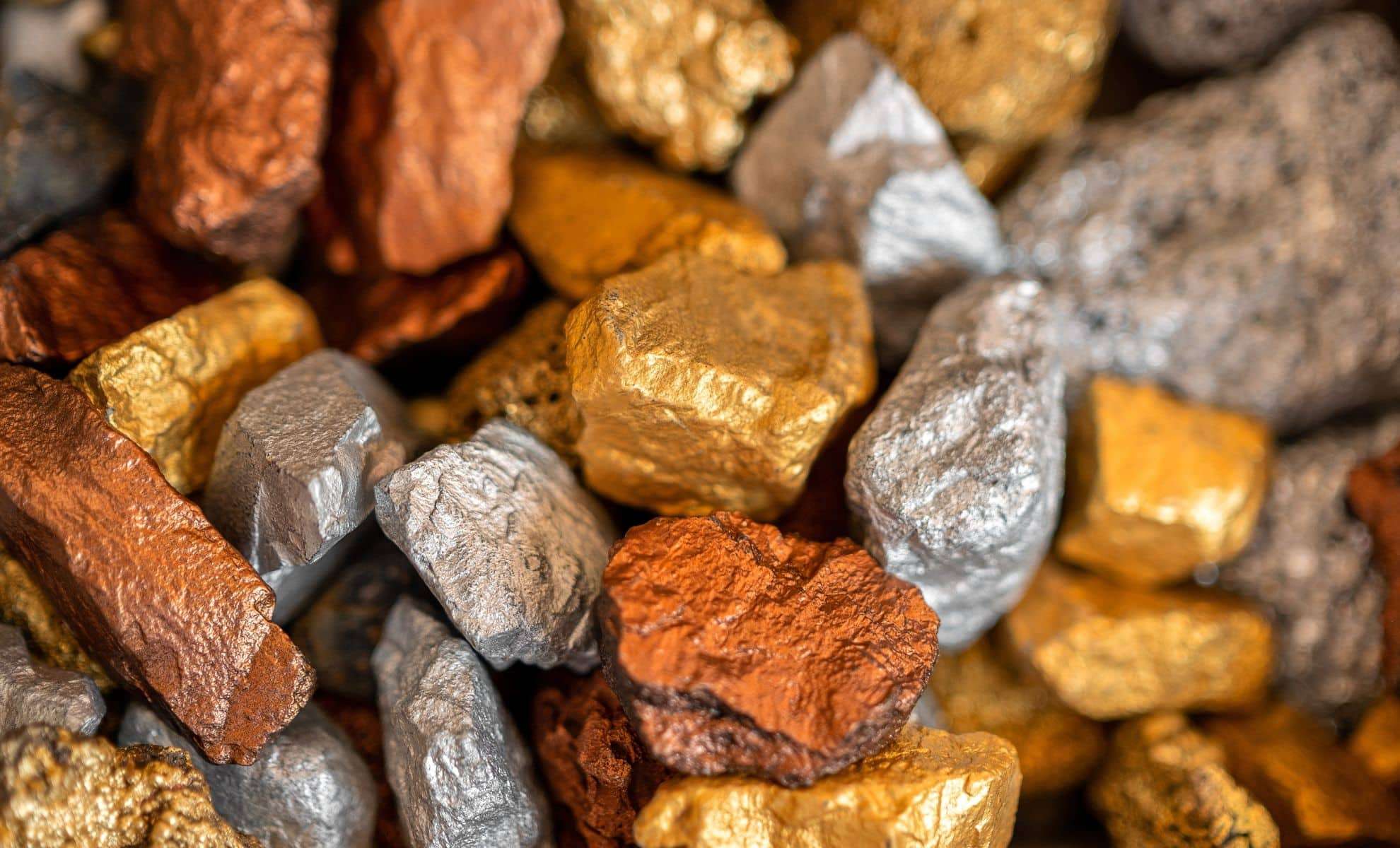
Amid rising trade disputes between China and the U.S., a looming disruption threatens the backbone of Europe’s electric vehicle manufacturing. Experts alert that dwindling rare earth reserves could halt production lines across Europe within just over a month.
China’s Dominance Threatens Electric Vehicle Supply Chains
A recent analysis by Berylls by AlixPartners highlights the precarious state of rare earth element availability for European and American markets. Crucial materials such as neodymium, essential for making permanent magnets in electric motors, are running dangerously low. Stocks may be exhausted within five to six weeks, prompting urgent warnings: without rapid resumption of supply, some vehicle assembly operations risk shutting down by mid-June.
This alert follows stricter export controls introduced by China, the dominant force in rare earth production. As Supply Chain World magazine reports, since April, Beijing requires special export permits for several critical minerals, including neodymium. These measures are widely interpreted as a response to U.S. trade actions, but their impact reverberates across the European manufacturing landscape.

Europe’s Reliance Leaves No Room for Alternatives
With China holding around 90 percent of global rare earth mineral mining and nearly complete control of their processing, Europe faces a severe supply vulnerability. Berylls experts emphasize the lack of short-term alternatives, revealing how dependent European automakers remain on this single, foreign-controlled supply chain.
The implications extend beyond electric motors. Rare earth-based permanent magnets are also critical in power steering, audio systems, HVAC units, and even wind energy. Despite a recent surge in prices by 40 to 50 percent, availability now surpasses cost as the primary concern due to China's export slowdowns.
Industry’s Unspoken Dilemma
Despite looming threats, car manufacturers have mostly refrained from public outcries. Some analysts suggest caution as the reason, yet the lack of a unified industry response has heightened unease. Many plants implement just-in-time inventory systems, where even brief supply interruptions can disrupt whole production chains.
Experts are drawing parallels to the chip shortages that crippled manufacturing worldwide earlier in the decade. Just as scarce semiconductors once brought industries to a halt, now rare earth minerals present a similarly critical bottleneck.
Brussels Faces Pressure to Act
European leaders have begun exploring emergency steps like tapping into strategic reserves or expanding imports from alternative suppliers like Japan. However, as of late May, no definitive measures have been implemented. The European Union also hesitated last December when China restricted exports of gallium, germanium, and antimony, missing a chance for effective contingency preparation.
China’s new export permit policies grant it broad power to halt shipments without explanation, tightening its hold over a critical global sector just as the West seeks to accelerate its green energy transition. For the EU, the stakes go beyond electric vehicle manufacturing, threatening broader ambitions for a low-carbon economy reliant on technologies that depend on rare earths.
Without urgent, decisive intervention, European industries risk being vulnerable to a supply disruption they cannot control and caught in the crossfire of an escalating trade conflict.
- Categories:
- News












0 comments
Sign in to Comment