
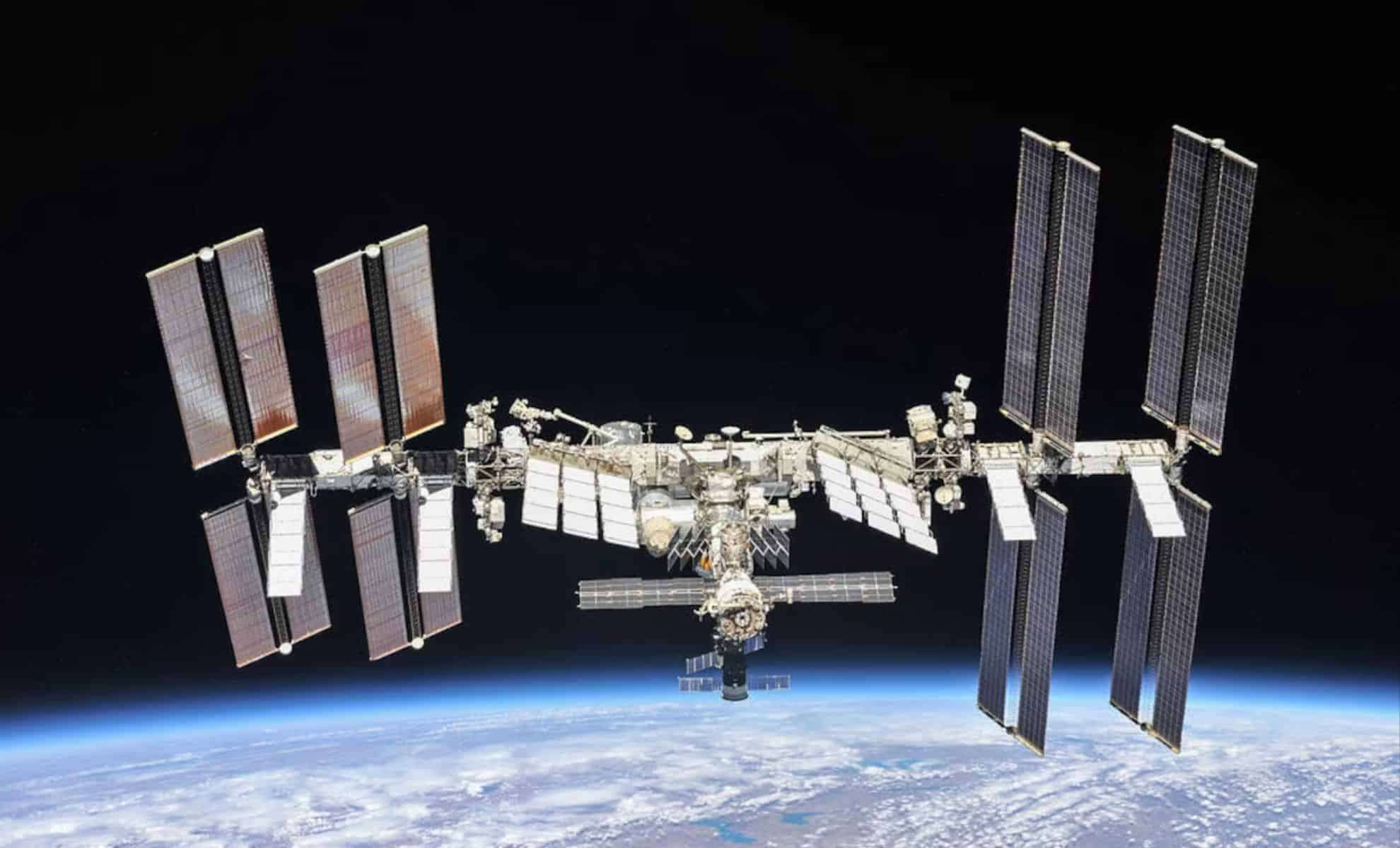
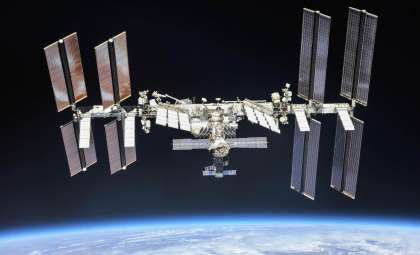
In response to a persistent air leak and deteriorating structural conditions, NASA and Roscosmos have intensified safety protocols on the International Space Station (ISS), spotlighting serious concerns about the station's overall integrity and crew safety.
These problems, monitored over several years, center largely on an ongoing leak within the Zvezda Service Module, prompting both agencies to develop emergency evacuation strategies.
A recent review by NASA’s Office of the Inspector General (OIG) identified over 50 critical safety issues on the ISS, now 25 years into operation, with the Zvezda leak designated as a “highest risk” threat, scoring a top rating of five out of five.

Escalating Dangers from Zvezda Module Leak
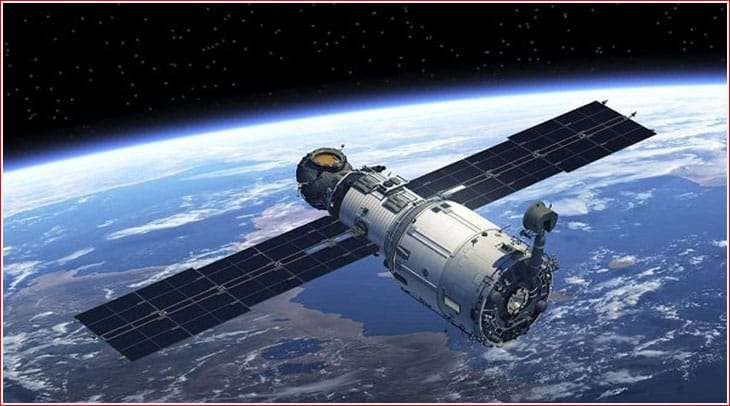
The Zvezda Service Module, essential for supporting life systems and spacecraft docking, first showed signs of air loss in 2019. Attempts to repair the compromised areas using patches and sealants have failed to fully stop the leak. The OIG’s newest findings reveal the air escaping from Zvezda hit an unprecedented level in April 2024, losing about 3.7 pounds (1.68 kg) of atmosphere daily. To address these risks, NASA has enforced strict restrictions, confining astronauts to the U.S. segment when the Zvezda hatch is open and limiting access to essential operations only.
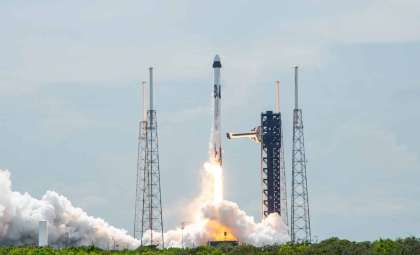
Jim Free, NASA’s Associate Administrator, emphasized the agency’s vigilance: “We have raised concerns about the leaks on numerous occasions, including discussions during my recent visit to Russia.” Both space agencies agreed to curtail use of the Zvezda module, keeping its hatch sealed when not critical to reduce air loss. Additionally, NASA has secured a contingency evacuation option by contracting SpaceX, investing $266,000 to ensure U.S. astronauts have an alternative escape route instead of relying solely on Russian vehicles.
Enduring Challenges from Orbital Aging and Debris Threats
The OIG report also highlights additional risks stemming from the impact of micrometeoroids and orbital debris (MMOD), which pose a significant danger to the ISS’s physical structure. NASA’s research indicates that while protective shields on the U.S. portions of the station can withstand collisions with debris up to three centimeters, larger fragments remain unprotected. The growing cloud of space debris increases the odds of damaging strikes, adding to the critical safety risks.
NASA points out that debris not only threatens the ISS architecture but also jeopardizes the reliability of crew escape options in emergency scenarios. Although continuous repairs and part replacements have prolonged ISS operations beyond its original mission timeline, hundreds of components have exceeded their planned service life, with 588 parts identified as overdue for replacement as of September 2024. As NASA and international partners contemplate extending the ISS’s service through 2030, addressing these mounting safety and maintenance issues remains a significant hurdle.
Strategies for Managing Risks and Ensuring Crew Safety
Collaboration between NASA, SpaceX, and Roscosmos forms a key part of ongoing efforts to mitigate risks while keeping the ISS operational. Crew members are trained to rapidly board the Crew Dragon spacecraft, which is docked for immediate evacuation if necessary. The agencies continue to conduct thorough reviews of the air leak’s status, structural vulnerabilities, and threats from debris in real time. According to Joel Montalbano, ISS program manager, “the leak does not pose an immediate danger to crew members or station operations but remains a significant concern for all involved.”
NASA’s documentation highlights the delicate balance between addressing urgent safety issues and sustaining long-term ISS viability. Despite these challenges, the space station remains a vital platform for scientific advancement, space exploration, and international cooperation.







0 comments
Sign in to Comment