

Recent scientific investigations reveal the significant health and financial repercussions tied to chemicals prevalent in everyday plastics. Compounds such as Bisphenol A (BPA), di(2-ethylhexyl) phthalate (DEHP), and polybrominated diphenyl ethers (PBDEs) are associated with millions of heart disease cases, strokes, and fatalities globally. While experts urge swift intervention, some remain cautious due to ongoing debates about direct causality.
The Hidden Danger of Plastics
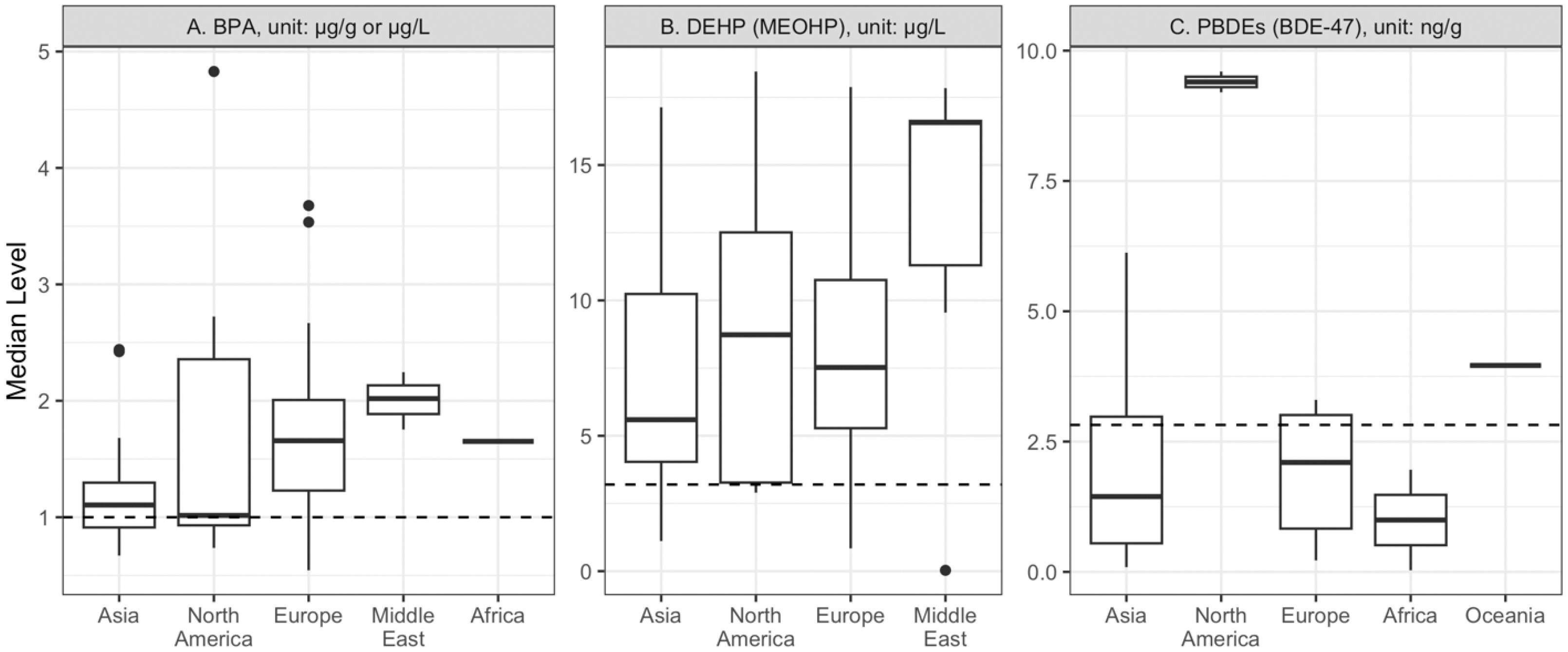
A global consortium examined findings from over 1,700 research papers spanning 38 countries, uncovering strong links between these chemicals and severe health outcomes. BPA, commonly found in food container linings like cans and plastic bottles, was estimated to cause 5.4 million ischemic heart disease incidences, 346,000 strokes, and 431,000 deaths worldwide during 2015. The economic impact of these health issues totaled approximately $1 trillion in lost productivity.
DEHP, a plasticizer frequently used in soft plastics such as shower curtains and medical equipment tubing, is linked to disruptions in the endocrine system. A 2022 investigation found that higher urinary DEHP metabolites corresponded with increased mortality risk. Currently, DEHP exposure is believed to be responsible for 164,000 deaths and financial losses nearing $398 billion on a worldwide scale.

PBDEs, additives employed as flame retardants in electronic devices, bedding, and automotive components, also carry hazards. Exposure occurs mainly through breathing, skin contact, or contaminated food, with connections to neurological impairments. Studies estimate maternal PBDE exposure has led to a loss of nearly 12 million IQ points, underlining concerns for brain development.
Scientific Debate and Evidence
Despite troubling associations, the research is primarily observational, making it challenging to confirm direct cause-and-effect relationships. Those most exposed to plastics may also engage in dietary behaviors linked to cardiovascular risks, including high processed food intake.
Statistician Kevin McConway, not affiliated with the study, advises prudence. “This analysis can’t definitively show how much these chemicals increase disease and death rates,” he said. Still, scientists like Maureen Cropper from the University of Maryland emphasize that current evidence necessitates prompt measures.
“Our objective was to assess harm caused by three widely examined plastic chemicals,” Cropper stated. “The magnitude of their effects requires global prioritization.”
Advancing Health-Focused Plastic Policies
The investigators recommend adopting a precautionary principle in regulating plastics, shifting responsibility onto producers to prove safety beforehand. This would mirror frameworks used in drug approval processes.
“Safeguarding public health from plastic chemical hazards calls for transformative changes in chemical legislation across many nations,” the authors assert. They advocate for coordinated international strategies that place well-being over industrial interests, warning that postponing action may lead to avoidable damage.
As plastic pollution increasingly intersects with public health, addressing chemical exposure risks remains urgent. Protecting millions of lives and trillions in economic value hinges on stronger regulatory commitments to this hidden hazard.
The research appears in PNAS.













0 comments
Sign in to Comment