
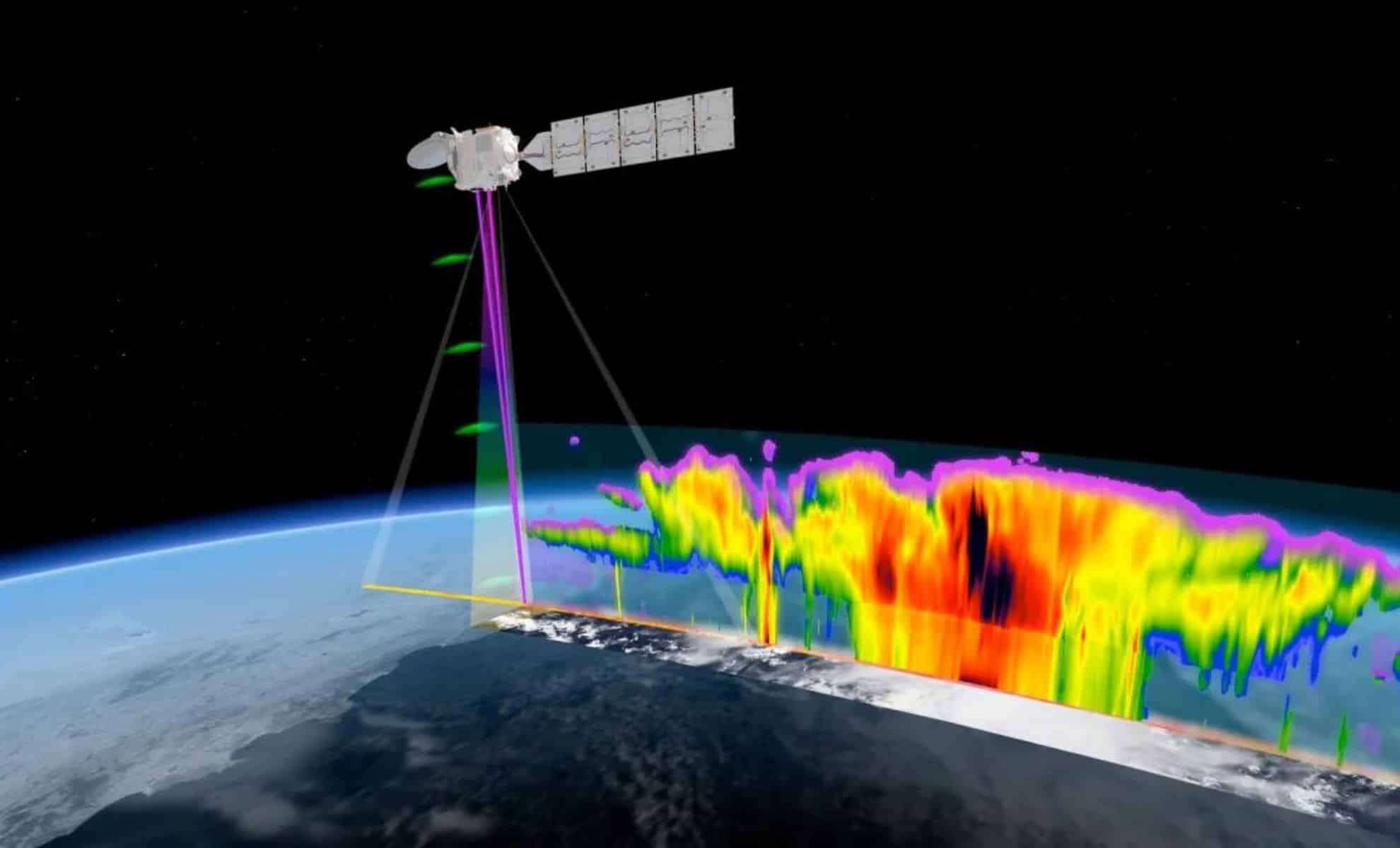
The Earth Cloud Aerosol and Radiation Explorer (EarthCARE) mission has been successfully deployed by the European Space Agency (ESA) in partnership with the Japan Aerospace Exploration Agency (JAXA).
This cutting-edge mission seeks to deliver vital insights into how clouds, aerosols, and radiation interact within Earth's atmosphere, providing valuable data to climate science.
Details of the EarthCARE Launch and Mission Objectives
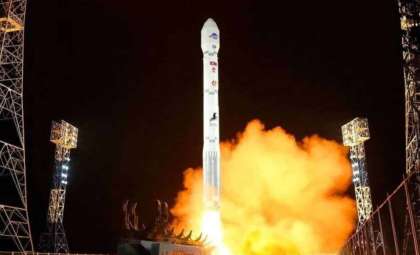
On May 28, 2024, the Falcon 9 rocket lifted off from Vandenberg Space Force Base in California, carrying EarthCARE into orbit. The satellite detached from its launch vehicle approximately ten minutes after liftoff and promptly sent its initial signal to the Hartebeesthoek ground station.

This milestone marks the commencement of a mission designed to deepen our comprehension of the climate influence exerted by clouds and aerosols.
EarthCARE's mission centers on reducing uncertainties linked to the impact of clouds and aerosols on climate change. Clouds play a dual role by reflecting incoming solar radiation and trapping outgoing infrared energy, affecting Earth's thermal balance. Aerosols, microscopic particles suspended in the atmosphere, influence climate by scattering and absorbing solar energy and acting as seeds for cloud formation.
Mission Instruments and Atmospheric Data Acquisition
Outfitted with four state-of-the-art instruments, EarthCARE provides an integrated perspective on atmospheric phenomena:
- Cloud Profiling Radar: Created by JAXA, this instrument captures the vertical cloud structure and internal motions, uniquely measuring updrafts and downdrafts within clouds.
- Atmospheric Lidar: Offers detailed vertical profiling of aerosols and thin cloud layers, revealing cloud tops and aerosol distribution.
- Multispectral Imager: Captures broad-area images across various wavelengths to analyze the spatial layout of clouds and aerosols.
- Broadband Radiometer: Measures the Earth's reflected solar radiation and emitted infrared energy to help assess the planet's radiation budget.
Importance for Advancing Climate Science
By delivering comprehensive data on cloud-aerosol interactions, EarthCARE is poised to enhance climate forecasting models. Understanding these dynamics is essential for anticipating climate change trajectories and developing responsive mitigation approaches.
Though clouds and aerosols generally contribute to atmospheric cooling, climate change-induced alterations could shift this balance, possibly intensifying global warming. EarthCARE’s data will be critical in evaluating these evolving effects on Earth's climate system.
Mission Operations and Development Collaborations
Currently controlled by ESA’s European Space Operations Centre in Darmstadt, Germany, EarthCARE is undergoing extensive instrument calibration and testing during its commissioning phase to guarantee data quality and reliability.
Developed by a consortium of over 75 companies with Airbus as the lead contractor, EarthCARE exemplifies the strong international collaboration necessary to advance space and climate science research.
Projected Long-Term Contributions and Research Impact
EarthCARE’s launch represents a major advancement in climate research, promising profound contributions to ESA’s FutureEO initiative. The mission’s comprehensive atmospheric data will refine climate prediction models, facilitating more accurate future climate scenario planning.
This improved understanding of atmospheric processes will equip policymakers with the knowledge needed to implement effective greenhouse gas reduction strategies and promote sustainability.
Moreover, EarthCARE highlights the value of global partnership in science, as collaboration between ESA, JAXA, and numerous industrial partners sets a precedent for future joint missions tackling global challenges.
- Categories:
- Astronomy ,
- News ,
- Nasa ,
- Climate change






0 comments
Sign in to Comment