
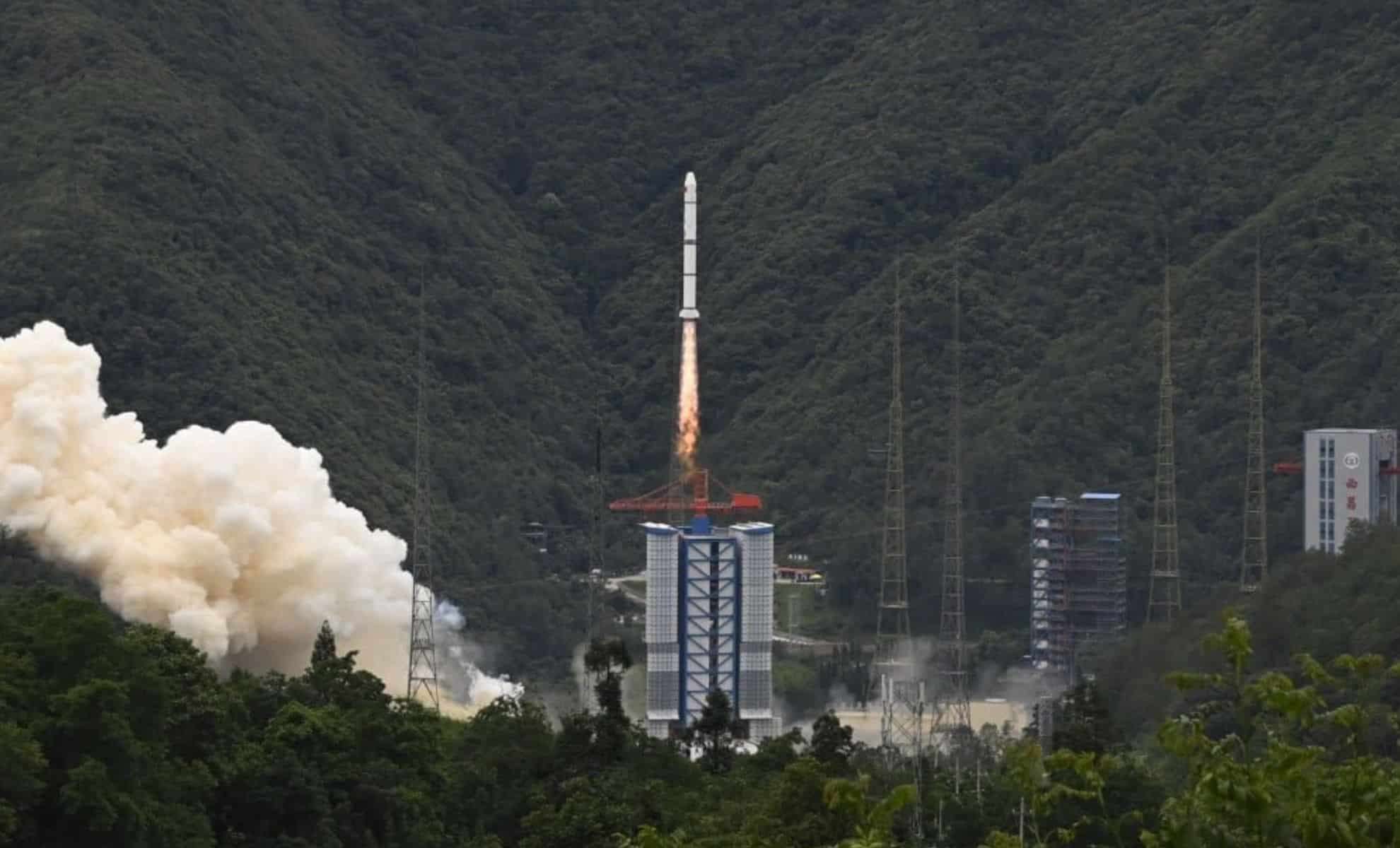
In an extraordinary example of international teamwork, France and China have joined forces to deploy a satellite dedicated to studying the universe's most energetic detonations. This mission is set to enhance understanding of gamma-ray bursts, shedding new light on these powerful cosmic events.
France-China Partnership Deploys SVOM to Investigate Gamma-Ray Bursts
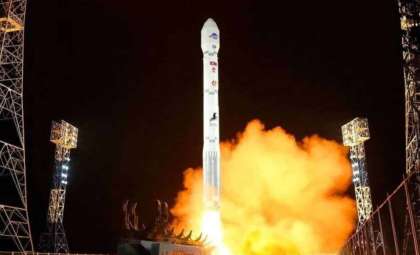
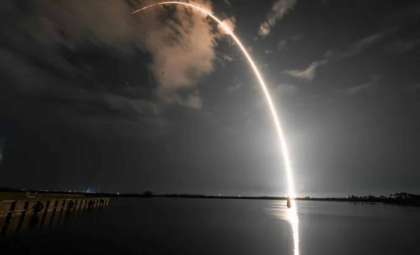
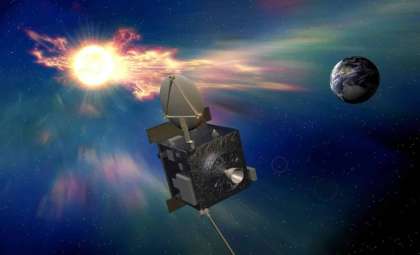
On June 22, 2024, the 930-kilogram Space Variable Objects Monitor (SVOM) satellite was launched from the Xichang Satellite Launch Centre in Sichuan, China, aboard a Chinese Long March 2C rocket. Developed jointly by the China National Space Administration (CNSA) and the French space agency CNES, SVOM carries four advanced instruments—two designed by France and two by China—specifically built to detect and study gamma-ray bursts.
Gamma-ray bursts represent the most energetic explosions known in the cosmos, typically caused by collapsing massive stars or colliding neutron stars. These bursts emit more energy in seconds than the sun will produce over its entire lifetime. “SVOM offers a promising opportunity to solve key puzzles regarding gamma-ray bursts, including pinpointing the earliest and most distant bursts ever observed,” explained Ore Gottlieb, an astrophysicist at the Flatiron Institute’s Center for Computational Astrophysics in New York.

Exploring Gamma-Ray Bursts with SVOM
Once positioned in a 625-kilometer (388-mile) low-Earth orbit, SVOM will actively scan for gamma-ray bursts and alert Earth-based observatories when such phenomena occur. Its suite of instruments features the French-built ECLAIRs telescope, capable of detecting bursts in near-real time across gamma and X-ray bands, as well as a Chinese-made visible light telescope to observe subsequent emissions.
By capturing signals that take billions of years to reach us, researchers can peer into the distant past. Annually, the mission is expected to uncover around 70 to 80 gamma-ray bursts, deepening our grasp of cosmic violence and variability. “A key objective is to uncover the birthplaces and epochs of these bursts,” noted Bertrand Cordier, the mission’s French lead researcher from the Saclay Nuclear Research Centre near Paris.
Importance of Cross-National Cooperation
This mission underscores the growing strength of global space partnerships, especially bridging collaborations between China and Western countries. Established in 1997, the CNSA-CNES alliance focuses on peaceful space endeavors. “Despite challenges, the cooperative spirit between Chinese and French teams remains robust,” said François Gonzalez, CNES’s SVOM project director.
The two nations’ cooperation extends beyond SVOM. In 2018, they launched the China-France Oceanography Satellite, improving ocean monitoring and severe weather prediction. More recently, a French instrument accompanied China’s Chang’e-6 lunar mission, enhancing their scientific collaboration.
Looking Ahead: The Broader Impact
SVOM’s findings are expected to propel forward knowledge of gamma-ray bursts and contribute to wider astrophysical discoveries. Studying these extreme cosmic occurrences can unlock secrets about the early universe, extreme matter behavior, and fundamental cosmic mechanisms.
This partnership exemplifies the vital role of joint efforts in space science progression. Collaborative projects like SVOM set the stage for future missions that will expand humanity’s cosmic understanding and technological prowess.
Successfully deploying and operating SVOM marks a major accomplishment for both France and China, highlighting the promise of international teamwork in unraveling the universe’s mysteries.
- Categories:
- Astronomy ,
- News ,
- Space ,
- Aircraft




0 comments
Sign in to Comment