

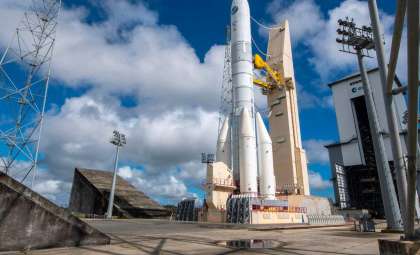
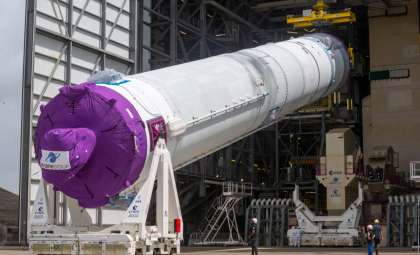
Following years of buildup, the Ariane 6 rocket is poised for its inaugural launch, signaling a major advancement for France and Europe’s ambitions in space exploration. Initially planned for 2020, setbacks have delayed the first flight to a timeframe between mid-June and late July 2024, with the precise launch date still to be finalized based on optimal conditions.
Building on a Storied Foundation
The retirement of the Ariane 5 rocket on July 5, 2023, closed a significant chapter for European spaceflight, completing 117 missions since 1996. Ariane 6 is set to carry the torch forward, offering improvements that aim to support up to a dozen launches per year. This new vehicle is designed with a focus on carrying heavy payloads, including satellites and constellation deployments.
Facing Stiff Competition in Space Launching
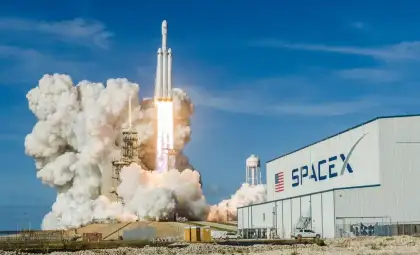
Ariane 6 enters a competitive arena dominated by companies like SpaceX, which boasts a higher launch cadence, having completed 50 missions so far in 2024 alone. Many of these utilize the reusable Falcon 9 rocket and are oriented toward launching Starlink satellites. In contrast, Ariane 6 does not include reusability features, which impacts its price competitiveness. Launch costs for Ariane 6 vary between 85 and 130 million euros, depending on the variant, whereas SpaceX’s Falcon 9 offers launches at approximately 62 million euros.

Positioning through Cost and Capabilities
Ariane 6’s pricing reflects its aim to serve premium market segments. ArianeGroup emphasizes its strengths in mission reliability, payload capacity, and the prestige of European space infrastructure to attract customers despite higher costs.
As the countdown to the first launch from the Centre Spatial Guyanais in Kourou continues, the aerospace sector and prospective clients are eagerly anticipating the flight. This event is not only a technical trial but also a pivotal moment for Europe’s role in the increasingly competitive global space industry.





0 comments
Sign in to Comment