
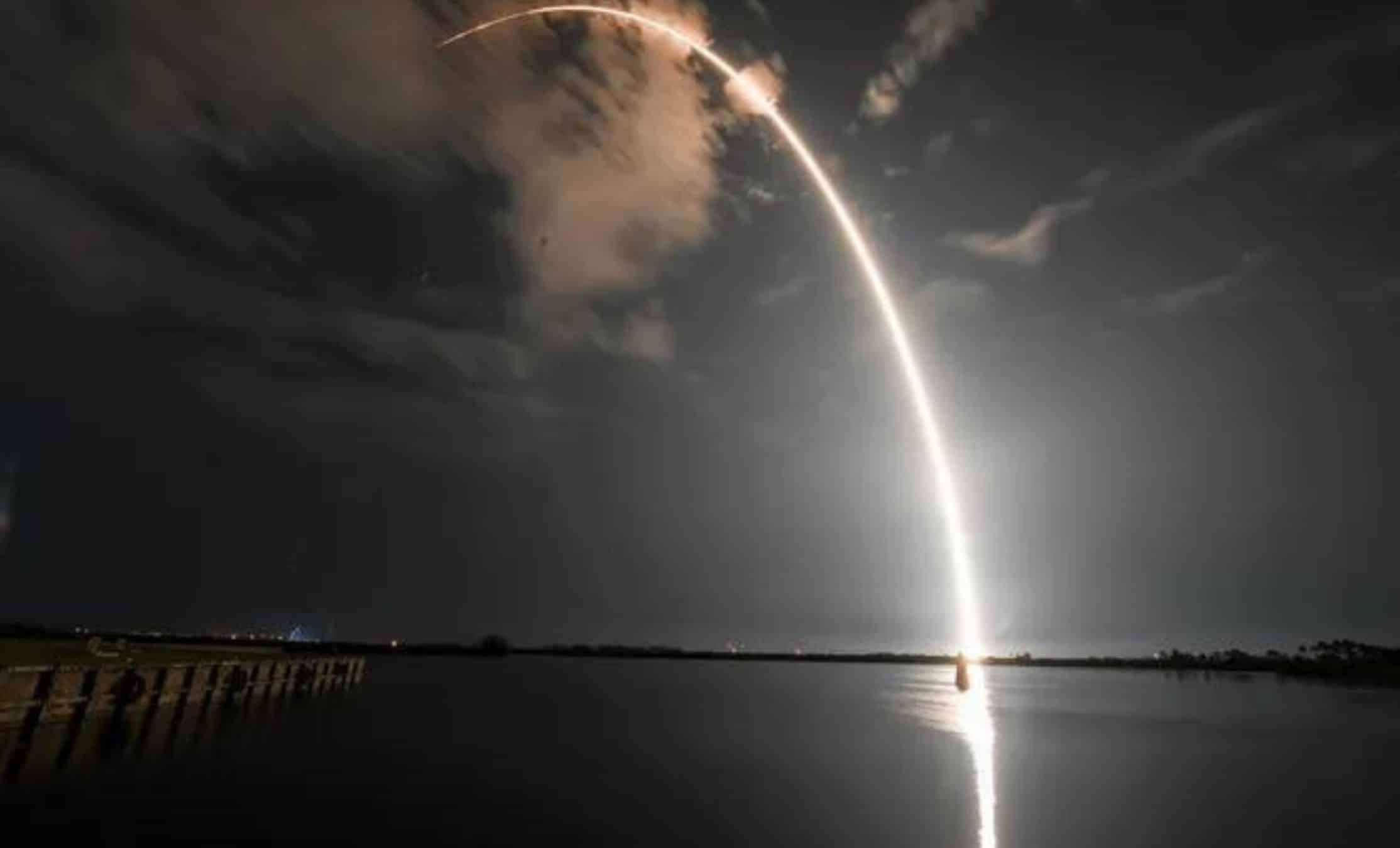
SpaceX’s scheduled deployment of 22 Starlink satellites was canceled last minute because of adverse weather, illustrating the complexities of space launch operations.
The mission, planned to launch from Cape Canaveral Space Force Station, has been rescheduled for June 14. This delay highlights both the challenges SpaceX faces from environmental factors and its agility in preparing for future launch attempts.
Weather Conditions Force Launch Postponement
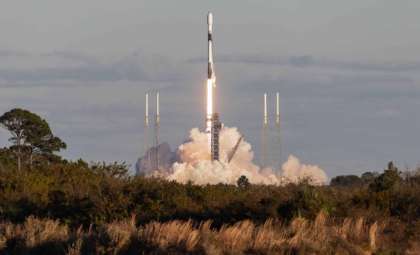
A Falcon 9 rocket carrying 22 Starlink satellites was set to lift off from Cape Canaveral Space Force Station, but the launch was aborted mere minutes before scheduled ignition on June 13 due to poor weather. The day's launch windows experienced several delays before being ultimately canceled at 8:22 p.m. EDT.

The Space Force’s 45th Weather Squadron issued a forecast indicating only a 25% chance of suitable conditions, citing anvil and cumulus clouds alongside surface electrical activity as major risks. This followed a similar postponement the prior day due to heavy cloud cover and showers.
Dr. Mary Barsony, the lead astronomer, explained, “The weather conditions at Cape Canaveral were less than ideal, with significant cloud cover and the threat of lightning. We had to prioritize safety and the integrity of the mission, leading to the difficult decision to call off the launch.”
Revised Launch Plan and Preparations Underway
The new target liftoff is planned for 4:35 p.m. EDT on Friday, June 14. SpaceX’s Falcon 9 will carry 22 Starlink internet satellites housed within the rocket’s protective fairing atop the 230-foot launcher.
Standing down from tonight’s Falcon 9 launch attempt due to weather, now targeting Friday, June 14 → https://t.co/bJFjLCiTbK
— SpaceX (@SpaceX) June 14, 2024
The Falcon 9’s first stage, on its 16th mission, is scheduled to land on the drone ship “Just Read the Instructions” in the Atlantic roughly 8.5 minutes after launch. This booster has previously supported missions including SES-22, ispace’s HAKUTO-R MISSION 1, Amazonas-6, CRS-27, Bandwagon-1, as well as ten earlier Starlink deployments.
SpaceX’s teams are conducting thorough system checks in preparation, with an extended four-hour launch window allowing some flexibility should weather conditions remain unsettled. This launch is crucial for expanding the Starlink network, which aims to deliver internet access worldwide.
Intense Launch Cadence for SpaceX
SpaceX has kept a brisk launch schedule in 2024, with this planned mission marking the company’s 45th orbital flight from Florida’s Space Coast this year. The current pace suggests a potential to exceed 2023’s record of 72 launches. Out of 60 orbital flights this year, 43 have involved deploying Starlink satellites, growing the constellation to nearly 6,100 operational units. This rapid deployment highlights SpaceX’s focus on global connectivity.
Such frequent launches showcase SpaceX’s evolving operational expertise and advancements, particularly through the repeated reuse of Falcon 9 first stages, which significantly reduces both costs and turnaround times. This approach supports the company’s aggressive satellite deployment timeline.
Mission Details and Timeline
The rescheduled launch window opens at 4:35 p.m. EDT, lasting up to four hours. Following liftoff, the Falcon 9 booster will return for a landing on the drone ship, while the upper stage will continue to low Earth orbit, releasing the 22 Starlink satellites approximately 53 minutes later. SpaceX plans to broadcast the launch live on its X (formerly Twitter) account starting roughly five minutes prior to liftoff.
The launch countdown includes second-stage liquid oxygen loading at T-minus 16 minutes, engine chill-down at T-minus 7 minutes, final system checks at T-minus 1 minute, tank pressurization to flight levels, and the final launch command at T-minus 45 seconds. Engine startup begins at T-minus 3 seconds, culminating in liftoff at zero seconds.
Weather Hurdles and Future Outlook
Ongoing weather issues at Cape Canaveral continue to challenge mission scheduling and execution. Despite such setbacks, SpaceX has demonstrated strong operational resilience by quickly rescheduling and readying hardware and teams for subsequent launch attempts. The company’s dedication to expanding Starlink maintains momentum toward universal broadband coverage.
This upcoming launch will not only boost Starlink’s network but also enhance insight into satellite deployment and commercial spaceflight operations. SpaceX is pushing the limits of what’s possible in the private sector and targeting future goals, including additional Starlink enhancements, commercial space travel, and missions to the Moon, Mars, and beyond.
Dr. Barsony concluded, “Each launch brings us one step closer to achieving our vision of a globally connected world. Despite the challenges we face, our commitment to innovation and excellence remains unwavering.” This steadfast dedication assures SpaceX will remain a leading force in space exploration and satellite technology innovation.
- Categories:
- Astronomy ,
- News ,
- Space ,
- Aircraft








0 comments
Sign in to Comment