
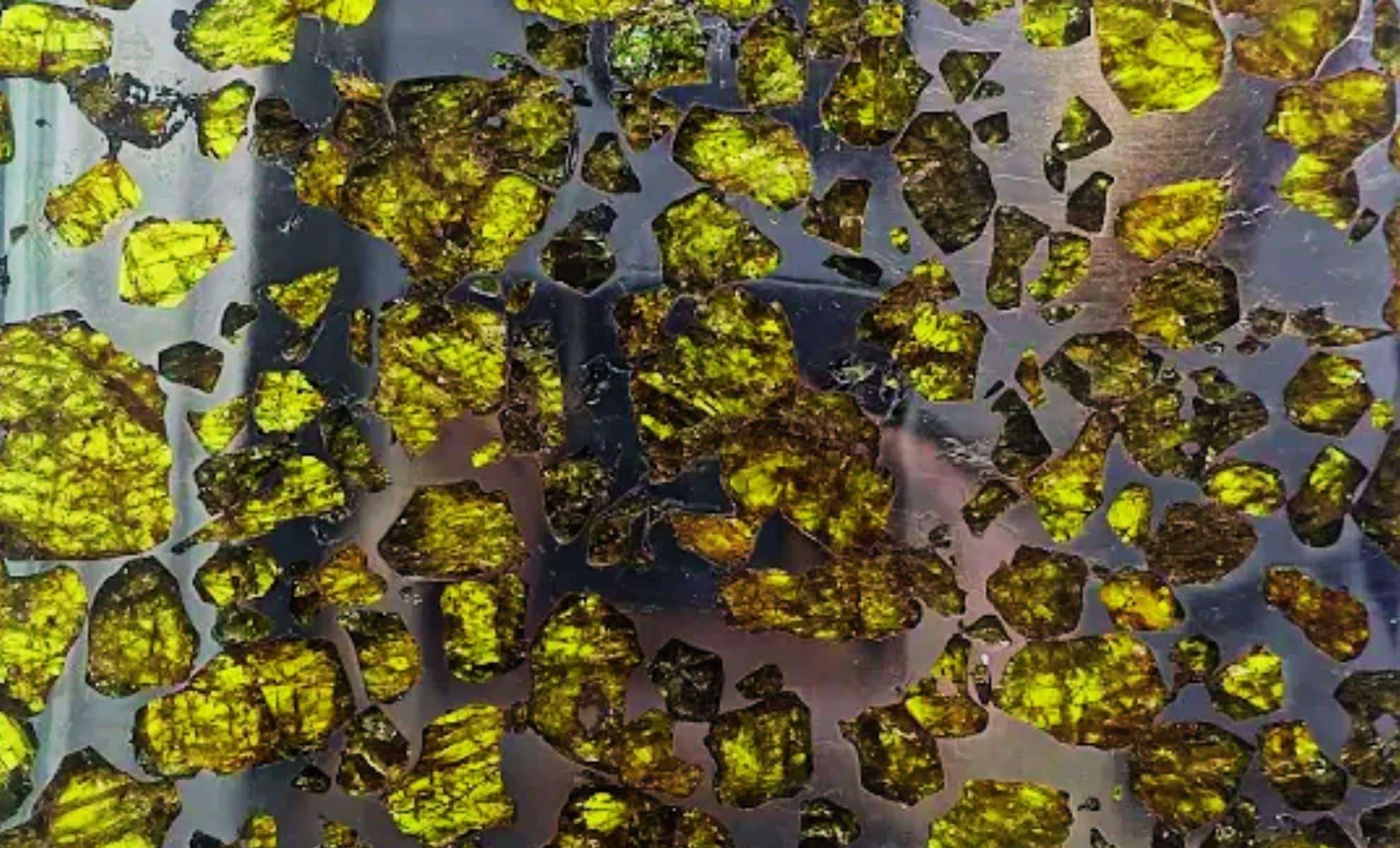
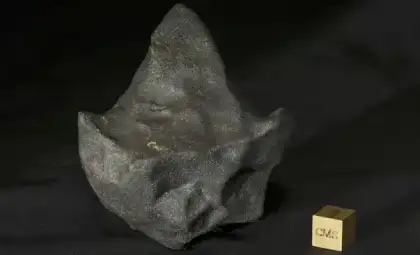
The Fukang Meteorite is among the rarest and most prized meteorites discovered, celebrated for its striking visual appeal as well as its scientific significance. Unearthed in 2000 within China’s Xinjiang Uygur Autonomous Region, it is classified as a pallasite, a scarce variety of stony-iron meteorite known for its embedded olivine crystals surrounded by a nickel-iron alloy. These translucent, gem-like olivine formations have captivated researchers, collectors, and enthusiasts alike due to their remarkable appearance and inherent scientific worth.
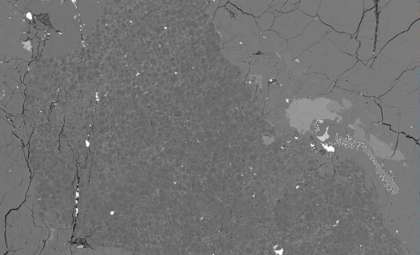
Beyond its breathtaking look, the Fukang Meteorite provides crucial insights into the early solar system. Its distinct makeup illuminates the processes involved in shaping planets and asteroids billions of years ago. Studies such as those from the University of Arizona’s research on meteorite crystal structures (MPS54_1781) have deepened our knowledge of how these space rocks are formed and evolve.
Understanding the Science of the Fukang Meteorite
The Fukang Meteorite is a type of rare pallasite meteorite, which comprise around only 1% of all meteorites reaching Earth. It is notable for its unusually large olivine crystals nestled within a metallic matrix composed mainly of iron and nickel. Sometimes called peridot due to their gem-like quality, these crystals exhibit a translucent glow, captivating both scientists and gemstone collectors. The olivine in the Fukang meteorite is famed for its remarkable clarity and size, displaying hues from golden-yellow to deep green, enhancing its dual significance in science and aesthetics.

Pallasite meteorites like Fukang originate from the interface between the molten metallic core and silicate mantle of differentiated asteroids, offering valuable clues about the early formation of planetary bodies. Investigations into their chemical and physical characteristics help reconstruct the timeline of our solar system’s evolution, with the Fukang meteorite’s 4.5-billion-year-old components believed to be remnants of early planetary accretion.
An Enormous and Valuable Celestial Find
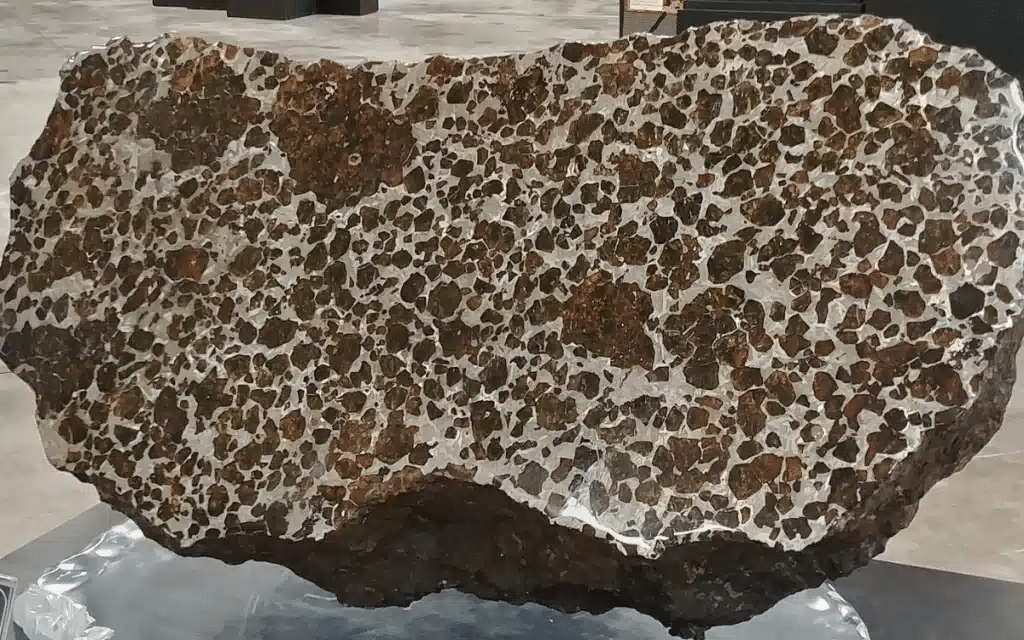
Weighing an impressive 1,003 kg (2,210 pounds), the Fukang Meteorite is rare not only due to its composition but also because of its size. Discovered in a remote desert of China, the main mass was sliced into sections that have been sold to museums and private collectors. Depending on quality and dimension, these slices have fetched prices of hundreds of thousands of dollars per kilogram. The sheer size of the Fukang meteorite makes it an extraordinary specimen on the meteorite market, enhancing its astronomical worth.
One standout auction occurred in 2008 when a 420 kg (925-pound) slice was valued at approximately $2 million. Though it remained unsold then, the high valuation highlights the significant demand and fascination surrounding fragments of the Fukang meteorite. As one of the most pricey meteorites, its market value continues to appreciate.
Fukang Meteorite: A Cosmic Work of Art
What distinguishes the Fukang meteorite is its combination of scientific importance and captivating visual charm. The gem-quality olivine crystals set against the metal matrix create a dazzling effect that resembles a cosmic window, offering a glimpse into space itself. These stunning specimens have become prized highlights in meteorite collections worldwide. Museums such as Arizona State University proudly display slices of the meteorite, demonstrating the intersection of natural wonder and scientific discovery.
Serving as an invaluable research specimen, the Fukang meteorite’s large and clear olivine crystals allow scientists to analyze the physical and chemical traits of early solar system materials, furthering understanding of asteroid and planet formation processes that took place billions of years in the past.
The Legacy and Worth of the Fukang Meteorite
The significance of the Fukang meteorite extends well beyond monetary value. While select fragments have sold for millions of dollars, its real worth is anchored in its contribution to planetary geology and cosmology. As a pallasite, it offers a direct link to the internal structure of asteroids and the early phases of the solar system's birth. This meteorite exemplifies the profound mysteries and rich histories encoded in extraterrestrial rocks voyaging through space.
Besides its scientific importance, the Fukang meteorite is highly sought after by collectors and museum curators. Its presence in prominent collections enhances its cultural relevance, connecting humanity to the ancient past of the cosmos. Whether in private collections or public displays, it remains a powerful symbol of the universe’s rare beauty and boundless potential.
Where to Experience the Fukang Meteorite
Specimens of the Fukang Meteorite can be viewed in museums and private collections across the globe. Arizona State University hosts a notable exhibit showcasing slices of this meteorite, allowing visitors to appreciate the intricate details and learn more about meteorite science and solar system origins.
The Fukang Meteorite has also traveled to numerous meteorite exhibitions worldwide, offering enthusiasts and the general public a chance to observe this extraordinary specimen firsthand. For those passionate about meteorite hunting and curation, it remains one of the most coveted extraterrestrial treasures available.
- Categories:
- News







0 comments
Sign in to Comment