
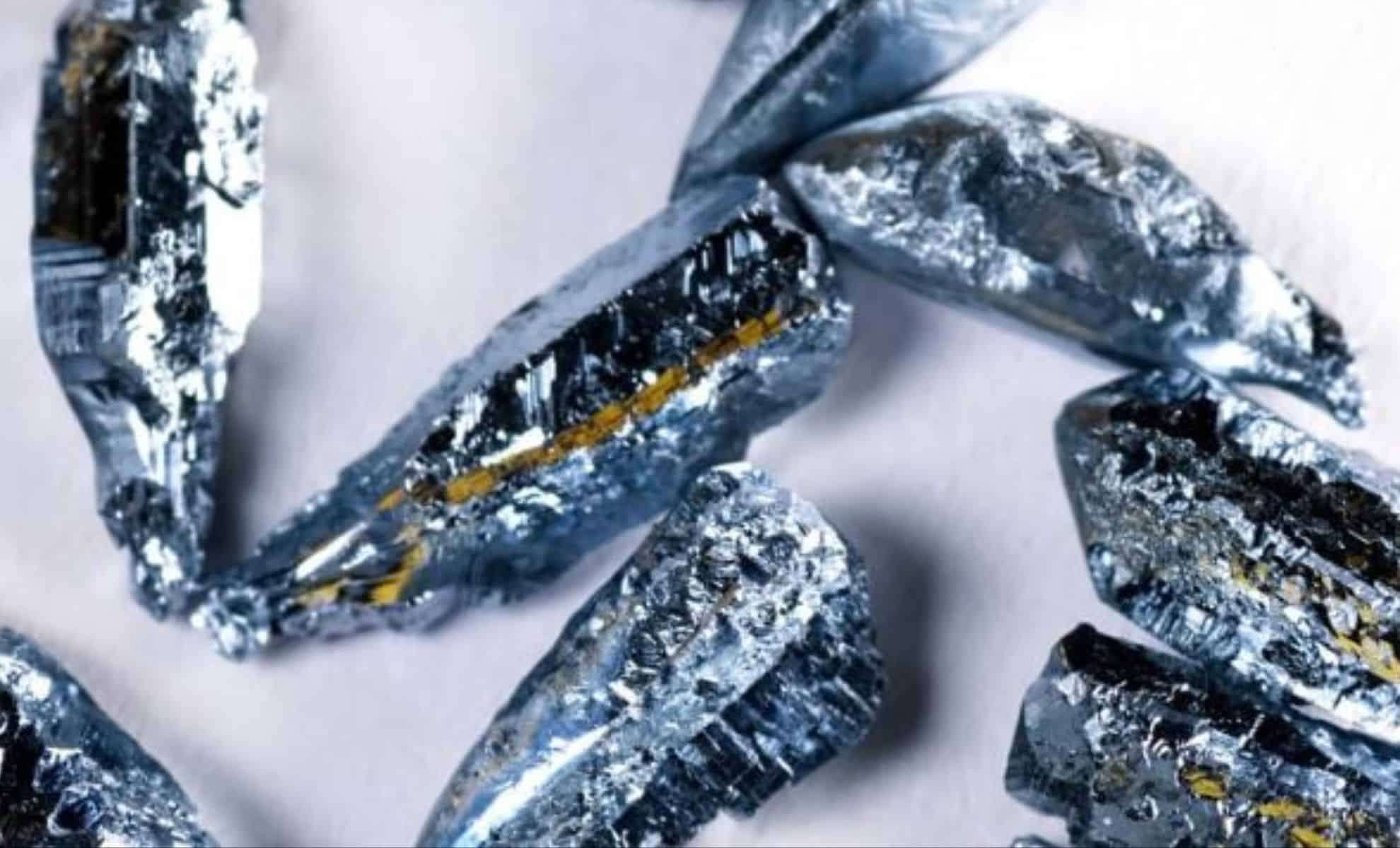
Osmium, recognized as the scarcest metal on the planet, is gaining widespread attention not only for its remarkable characteristics but also for its extraordinary market price. Currently trading at $1,350 per gram, it exceeds gold's value by a factor of 15. This staggering cost is driven by osmium’s limited supply and its specialized roles in luxury watchmaking, fine jewelry, and advanced scientific fields. However, a recent study featured in Nature Chemistry delivers alarming news: osmium reserves may be completely exhausted by 2026. This forecast has intensified the metal’s worth, igniting concerns over an imminent market turmoil dubbed the “Osmium Crisis.” Industry experts are preparing for what could be an unprecedented disruption within the precious metals sector.
The Osmium Institute: Steering Through the Crisis
As detailed by The Farmingdale Observer (2025), the Osmium Institute located in Murnau, Germany, is positioning itself as the pivotal organization in managing the final osmium reserves. The institute’s advanced facility is responsible for regulating the distribution of the dwindling supply to ensure market equilibrium. According to the Osmium Institute, osmium prices could climb by as much as 120% ahead of its complete depletion in 2026, escalating costs to levels never seen before. Since opening in May 2025, their Murnau base also serves as a center to educate both investors and the public on the urgency of the metal’s scarcity. Collaborating with 40 partner organizations globally, the institute is leading efforts to responsibly manage osmium through its final years of extraction and distribution.
Exceptional Attributes and Growing Demand for Osmium
The metal’s unusual density, exceptional resistance to corrosion, and very high melting temperature have made osmium highly sought-after in luxury and technical applications. It plays a critical role in crafting exquisite timepieces and elite jewelry because of these unique qualities. Unlike other rare earth metals such as neodymium and lanthanum, often influenced by geopolitical factors and controlled by major producers like China, osmium enjoys a relatively independent market because of its extreme rarity. This independence has helped preserve its value and reputation for unparalleled purity and exclusiveness, according to insights from The Farmingdale Observer.

Consequences for High-End Industries
The looming osmium shortage spells significant challenges for sectors dependent on its singular properties. Luxury watchmakers and fine jewelers especially face tough choices, as ongoing access to osmium becomes increasingly limited. Its distinctive blue tint and exceptional toughness make it irreplaceable in certain premium products. Brands are now torn between securing existing inventory or risking future purchases at soaring prices. In response, some manufacturers have begun positioning their osmium-based goods as rare collectibles “crafted from a metal nearing extinction,” a tactic designed to leverage scarcity and elevate demand further, as documented by The Farmingdale Observer.
Exploring Alternatives and Sustainability Efforts
With osmium supplies dwindling, efforts to find viable substitutes are accelerating. Similar to the rapid progress seen in solar energy technologies addressing environmental challenges, researchers and industries are investigating synthetic materials capable of mimicking osmium’s rare attributes. This trend aligns with global moves toward sustainability, prioritizing recycling and synthetic solutions over new mining. The Osmium Institute is a key player in these initiatives, collaborating with scientists and engineers to enhance osmium recycling while minimizing dependence on fresh extractions. Additionally, there is pioneering research into sourcing osmium beyond Earth’s surface, with potential from Mars or meteorite mining, offering hope to extend this rare metal’s lifecycle, as reflected in reports by The Farmingdale Observer.
- Categories:
- News













0 comments
Sign in to Comment