
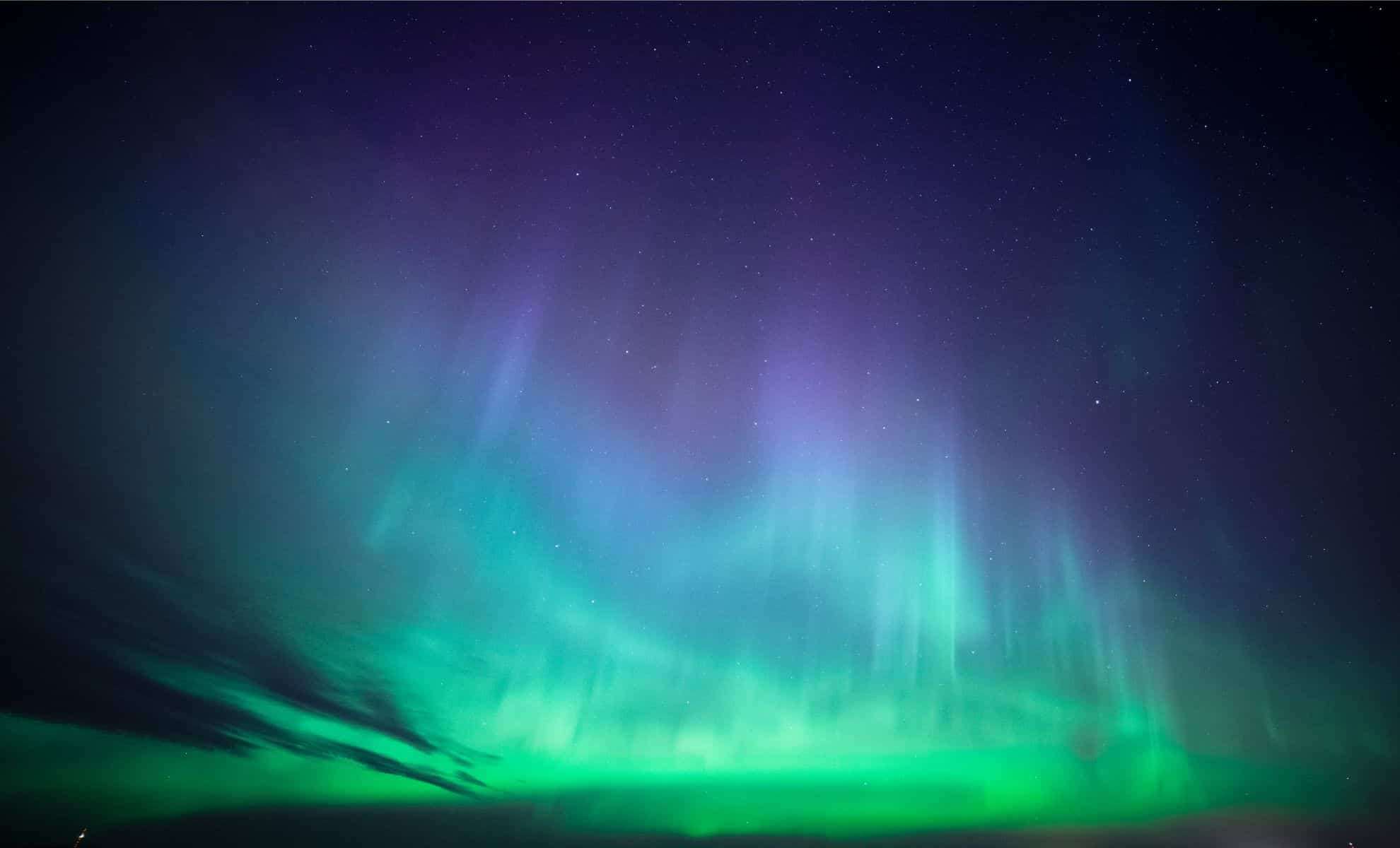
The National Oceanic and Atmospheric Administration (NOAA) has issued an alert for a geomagnetic storm that may brighten the skies with auroras across northern parts of the United States.
The dazzling aurora borealis, or northern lights, might be visible as far south as Idaho and New York on the evening of July 24.
Solar Flare Sparks the Upcoming Aurora
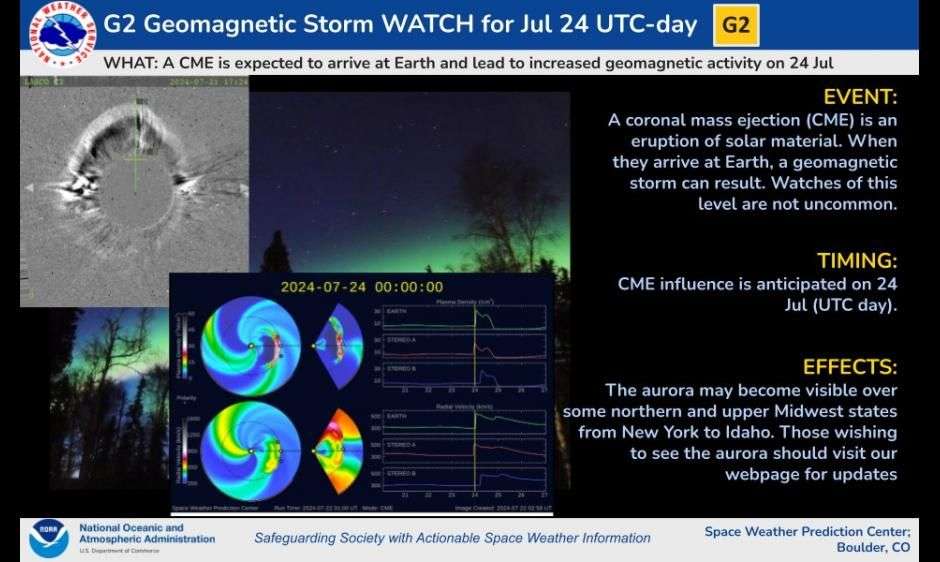
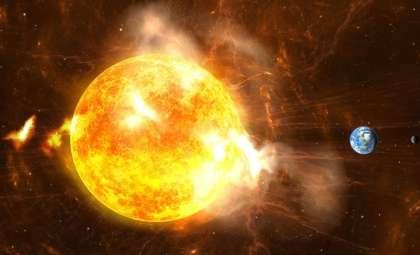
This geomagnetic disturbance is a response to a coronal mass ejection (CME) launched from the sun on July 21. CMEs are large expulsions of solar plasma and magnetic fields expelled from the sun’s corona into space.

Triggered when magnetic field lines on the sun rearrange, these events release massive amounts of charged particles. Upon interacting with Earth's magnetic shield, these charged particles induce geomagnetic storms.
The recent CME has been identified as a halo CME due to its expansive impact, with arrival anticipated on July 24, likely causing a G2-level geomagnetic storm. This intensity can push auroral displays considerably further south than usual, offering a rare chance for many observers in affected states.
Optimal Locations and Timing to Witness the Aurora
The prime window to view the northern lights is expected between 1 AM and 4 AM Eastern Daylight Time on July 24. Potentially illuminated states include Montana, Michigan, Minnesota, North Dakota, South Dakota, Wisconsin, and the northern areas of Maine and New York. Visibility depends heavily on local weather and ambient light pollution.
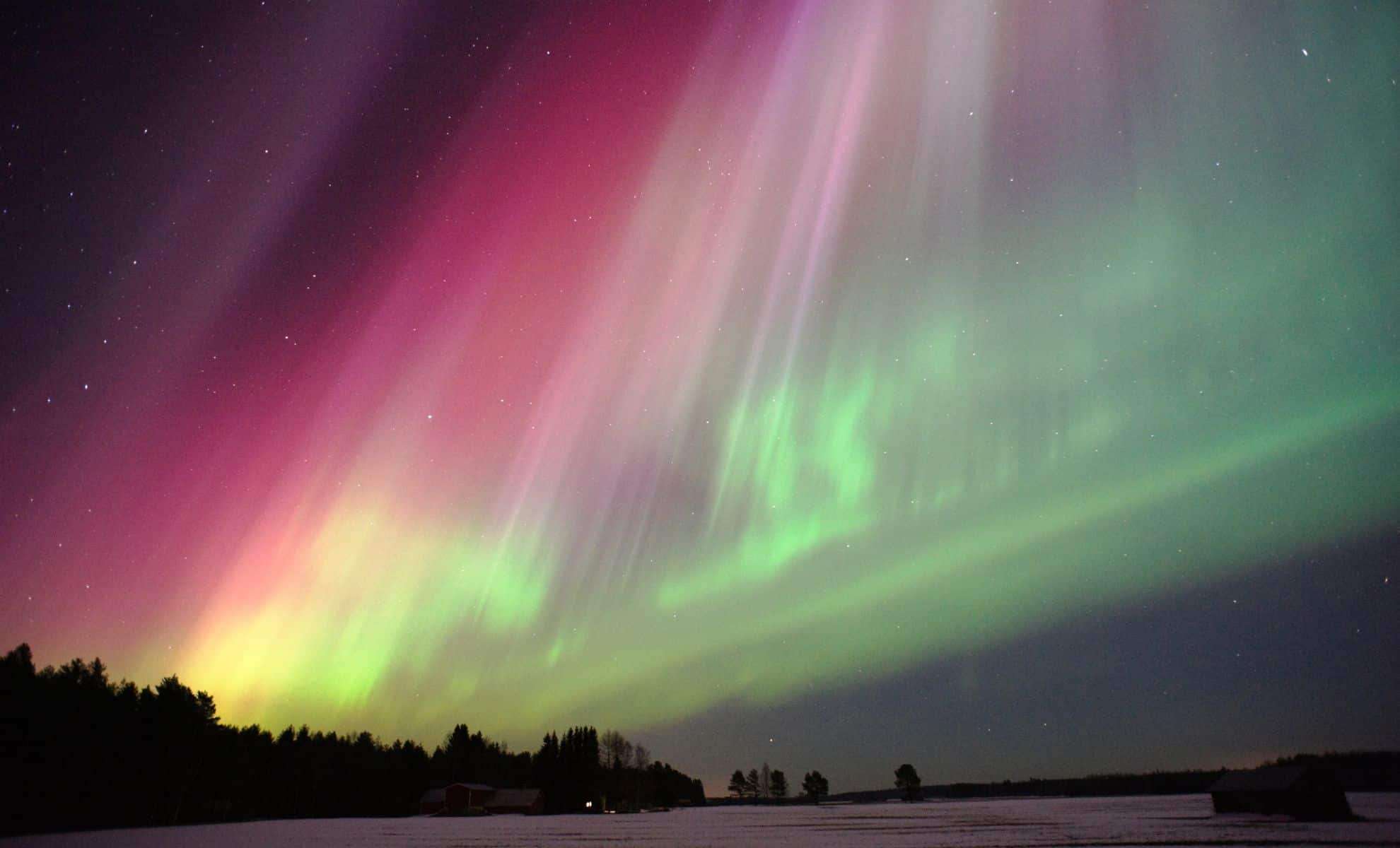
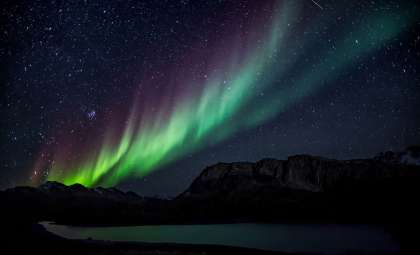
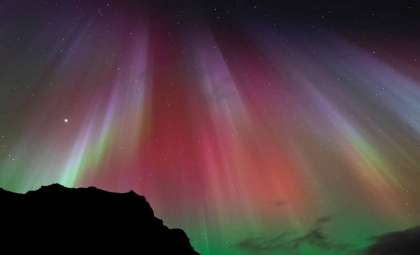
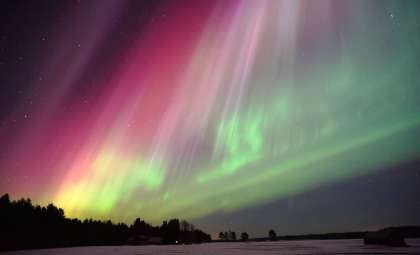
Auroral sightings are best enjoyed under dark, clear conditions away from urban lighting. "Photographic auroras," which might elude the naked eye yet appear vividly in camera exposures, could also occur. These stunning light shows arise from charged solar particles colliding with oxygen and nitrogen atoms in Earth's atmosphere, producing colorful glows ranging from green and pink to red, yellow, and blue.
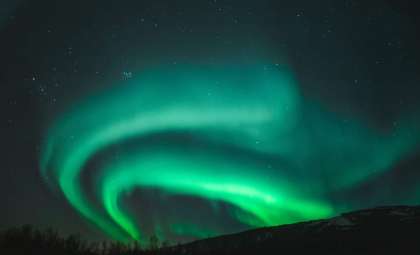
The fusion of these hues generates captivating, shifting patterns that have fascinated people for thousands of years.
How Geomagnetic Storms Affect Technology and Infrastructure
Besides their natural beauty, geomagnetic storms can disrupt numerous technologies. Strong CMEs have the potential to interfere with satellite operations, cause blackouts by overloading power grids, and disturb radio communications.
Such electric disturbances might overload electrical networks, resulting in widespread outages. Additionally, the storm-induced heating of the upper atmosphere increases drag on satellites, causing orbital shifts and possible disruptions.
These effects can impair GPS systems, satellite linkups, and operations aboard the International Space Station. Aviation sectors also monitor these events closely due to heightened radiation levels affecting crews and passengers on high-altitude flights, especially near polar routes.
Resources and Advice for Auroral Enthusiasts
Advancements in space weather forecasting have enhanced predictions of auroral displays. Individuals eager to observe the aurora can rely on sources such as the NOAA Space Weather Prediction Center's 30-minute forecast page and the My Aurora Forecast & Alerts app for up-to-date information on auroral activity.
These tools gather data from satellites and earth-based observatories to measure solar wind speed, density, and magnetic field direction—vital signals for aurora occurrence. Providing timely, precise forecasts helps skywatchers optimize their chances of viewing this spectacular natural show.
Upcoming Prospects for Auroras
With solar activity on the rise, more frequent opportunities to enjoy northern lights displays are expected. The current solar cycle is approaching its peak, potentially bringing stronger and more regular geomagnetic storms. The July 24 event highlights the ever-changing nature of space weather and its influence on our planet.
Anticipating these phenomena allows for better mitigation of their technological effects while celebrating the striking beauty of auroras. Continued research into solar-terrestrial interactions promises improved prediction capabilities, helping to safeguard critical infrastructure while sharing the wonder of this celestial spectacle.
- Categories:
- Astronomy ,
- News ,
- Space







0 comments
Sign in to Comment