
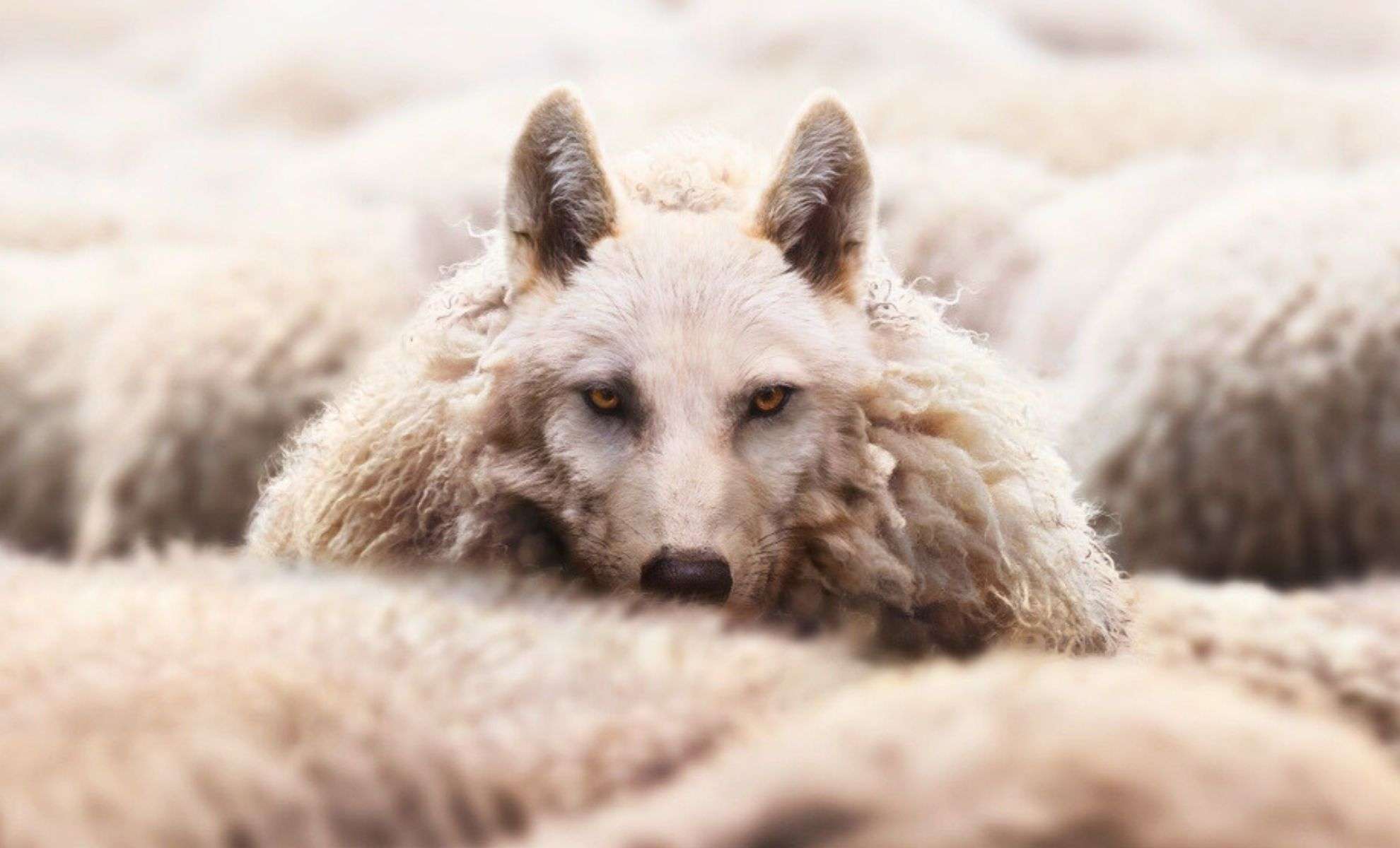
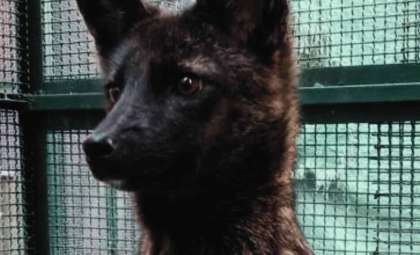
Researchers in Greece have documented the nation’s initial case of a genetically confirmed wolf-dog hybrid, uncovered during an extensive investigation of wild wolves. Found in northern Greece’s forested regions, this unusual animal's DNA reveals a composition of 55% domestic dog and 45% gray wolf, as reported by the conservation organization Callisto.
The discovery arose from genetic testing of 50 samples gathered from wolves throughout mainland Greece. Among them, one exhibited unmistakable hybrid traits. Significantly, this animal was born in the wild rather than through captive breeding, marking an important milestone in European wildlife genetics research.
Scientific Verification Amid Growing Wolf Populations
While hybrids between wolves and dogs have been spotted in various regions based primarily on physical traits, genetic evidence has been rare. This case, highlighted by Greek City Times, represents Greece’s first confirmed wild hybrid and is among the limited genomic validations across Europe.

Domestic dogs (Canis lupus familiaris) and their wild counterparts, gray wolves (Canis lupus), share over 99.9% of their genetic material, making hybridization biologically feasible. However, behavioral differences and ecological factors, including wolves’ strict territorial instincts and dogs’ limited survival in the wild, usually prevent frequent mixing.
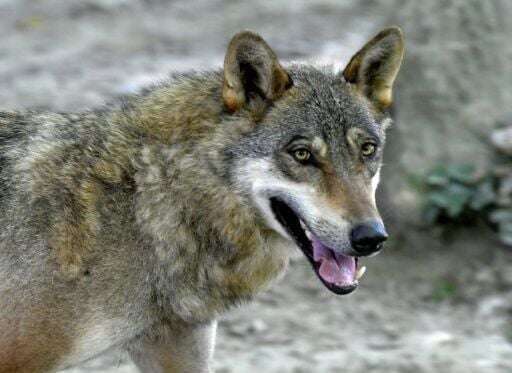
Aimilia Ioakimeidou, a biologist with Callisto and study lead, suggested that this hybrid probably resulted from a one-off mating event involving a feral domestic dog. The organization stressed that hybridization events remain exceptionally uncommon in Greece’s current ecosystem.
Conservation Challenges and Genetic Integrity
Since the wolf hunting ban enacted in 1983 under the Berne Convention on the Protection of European Wildlife and Natural Habitats, Greece's wolf numbers have steadily increased. Now, Callisto estimates the population at about 2,075 individuals, with established packs found in the Mount Parnitha area near Athens and northern mountainous lands.
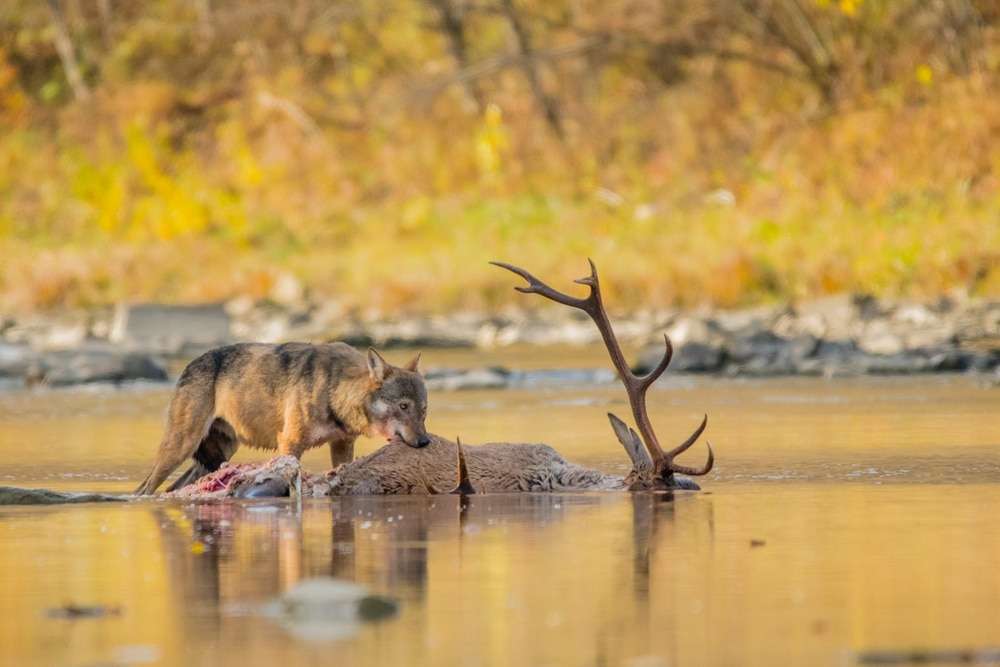
The resurgence of wolves brings them into closer contact with wild carnivores and stray domestic dogs, especially around rural farming communities. Although hybridization occurrences remain infrequent, these interactions provoke concerns about preserving the genetic purity of wild wolves.
A 2020 paper in Biological Conservation highlighted that rising hybridization complicates efforts to monitor and conserve wolf populations because hybrids often resemble pure wolves visually, making genetic assessment critical. Even rare hybrid events in small or recovering populations could adversely affect the animals’ genetic distinctiveness and behavior over time.
Reevaluating the Origins of Dog Domestication
This verified hybrid case also revives debates on the evolutionary history linking dogs and wolves. While earlier theories proposed domestication occurred when wolves scavenged near humans, emerging research points to a stronger human role in their early domestication.
A 2023 article in Nature Ecology & Evolution supports the idea that hunter-gatherer societies may have actively reared wolf pups, selecting for traits like tameness. This suggests domestication was influenced by intentional human management, not just natural selection.
Though the Greek hybrid itself doesn’t directly clarify domestication timelines, it provides additional evidence for ongoing genetic interchange between dogs and wolves under certain wild conditions.
Callisto plans to continue its comprehensive genomic surveillance of wolf populations in Greece, raising awareness about risks posed by uncontrolled domestic dogs in regions where wildlife encounters are common.
- Categories:
- News










0 comments
Sign in to Comment