
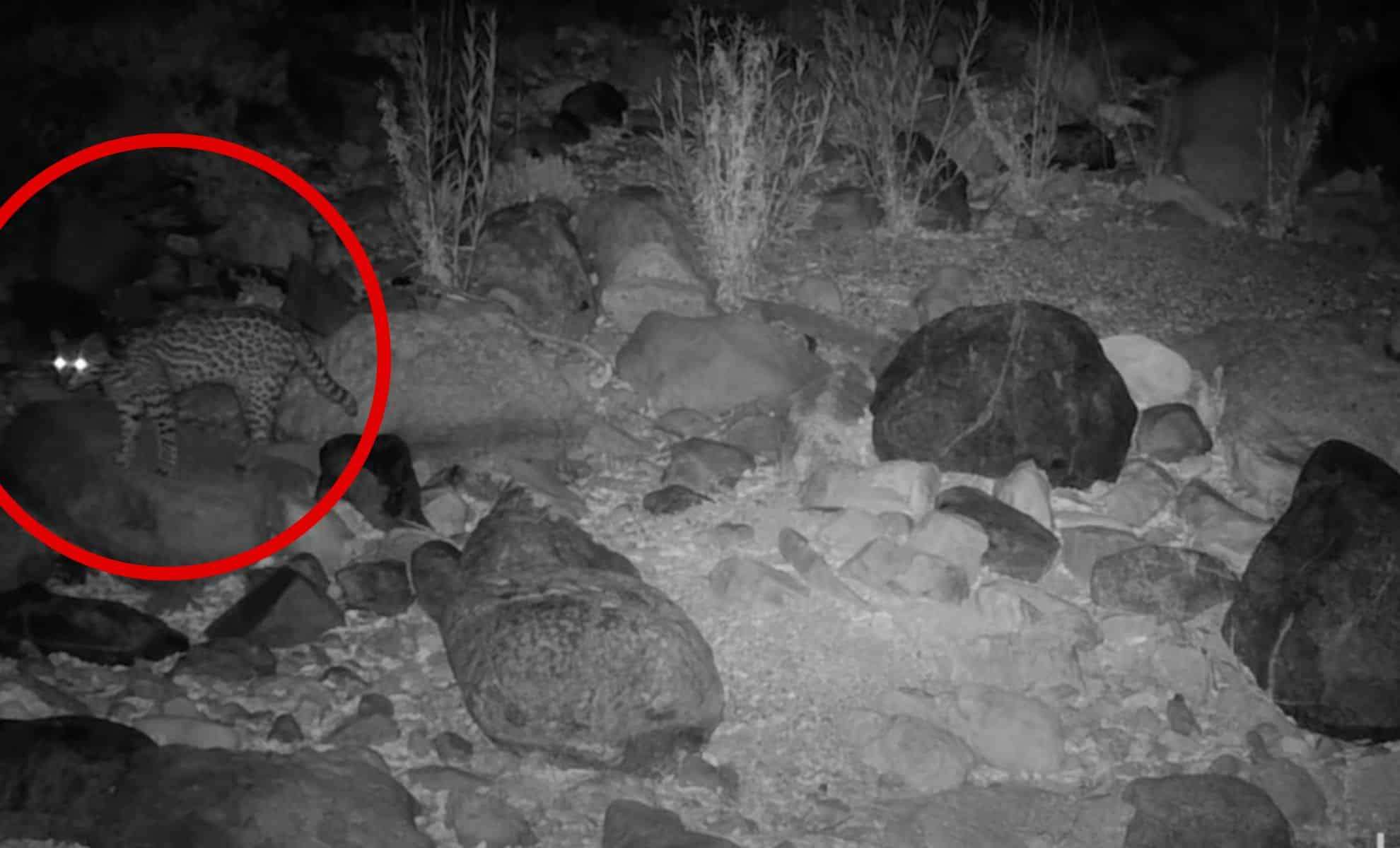
After 50 years without any confirmed sightings, a rare wild cat has been documented on camera in southern Arizona, exciting scientists and wildlife enthusiasts alike.
This remarkable capture was made by motion-triggered cameras deployed for a comprehensive wildlife monitoring project, fueling new hope for the conservation of endangered species in the area.
Ocelot’s Unexpected Reappearance in Arizona
The Atascosa Complex Wildlife Study, led by the Phoenix Zoo, placed these cameras within the Nogales Ranger District of Coronado National Forest to track wildlife movement. The surprising footage, obtained in June, forms part of an ongoing investigation into regional animal behaviors. The sighting featured an ocelot, a rare and secretive feline known for its distinctive markings, observed in a desert scrub environment lower than its typical range.

Scientists speculate this could indicate changes in habitat preference or range shifts for the species. Conservation experts view this finding as an encouraging sign that despite longstanding threats, ocelots may still persist in the wild of southern Arizona.
Challenges Leading to Near-extinction
Since 1972, the ocelot has been recognized as an endangered species in the U.S., primarily due to habitat destruction and illegal hunting. Accelerated urbanization and agriculture in the American Southwest have greatly diminished their habitats, which once extended broadly across the U.S.-Mexico border. These pressures have forced the species into steep decline.
Alongside human impacts, natural predators such as jaguars, pumas, and birds of prey also threaten ocelot populations. Few confirmed encounters have been recorded in recent decades, making this recent visual evidence all the more extraordinary.
Renewed Conservation Initiatives
This rediscovery has energized local conservation groups to intensify efforts protecting the region’s endangered wildlife. Bert Castro, President and CEO of the Arizona Center for Nature Conservation, emphasized the importance of ongoing collaboration between organizations. The study will continue over the next 18 months, aiming to gain critical insights into the ocelot’s habits and ecological needs.
Kinley Ragan, the zoo’s project manager for field research, shared her emotional response upon first viewing the footage: “It was an overwhelming moment that filled me with pride and excitement about what we have documented.”
Adaptations That Enable Survival
Ocelots possess remarkable agility and thrive in diverse habitats ranging from dense tropical forests to harsh deserts. Their spotted pelage provides excellent camouflage amid foliage and rocky landscapes. Known for their climbing and swimming abilities, they are skilled hunters capable of preying on animals larger than themselves, a necessity in demanding environments.
Besides their physical traits, ocelots employ numerous survival tactics that help them avoid predators and human threats, proving instrumental in their survival despite population reductions.
Prospects for Ocelots in Arizona
The sighting has renewed interest in protecting the Arizona borderlands, a crucial refuge for multiple imperiled species. Conservationists are optimistic that ongoing research and monitoring will uncover more about the local ocelot population, fostering stronger protections for both the cats and their environment.
Future findings will also support more informed land management and policy decisions, ensuring habitats remain viable. Each sighting adds invaluable data, moving scientists closer to securing the ocelot’s future in this part of the wild.
This rare glimpse into the life of the ocelot underscores the resilience of wildlife and reaffirms the vital need for continued conservation efforts.












0 comments
Sign in to Comment