
The Arctic landscape is evolving rapidly. As ice continues to recede at unprecedented speeds and demand for crucial minerals grows worldwide, Greenland, one of the planet’s least inhabited areas, finds itself at the forefront of international political intrigue.
Central to this attention is Greenland’s abundant reserves of rare earth elements, graphite, and hydrocarbons. These resources are essential for advanced clean energy technologies, defense applications, and critical global supply chains. The island’s substantial mineral wealth has become a diplomatic flashpoint involving Washington and Greenland's autonomous government, which receives discreet support from Denmark and various European Union allies.
Recently, a U.S. initiative aimed at securing preferential access to Greenland’s mineral assets has led to diplomatic tensions, as detailed in CNBC reports and analyses from the region. Greenlandic representatives have firmly turned down these requests, citing legal constraints and environmental safeguards that make such demands untenable.

Strategic Goals Encounter Political and Practical Challenges
The U.S. sees Greenland’s rare earth deposits as a critical component in breaking China’s dominant grip on these resources. Collaborative geological surveys funded by both U.S. and Danish institutions have uncovered three major deposits beneath the ice containing substantial amounts of neodymium and dysprosium. These elements are indispensable for manufacturing permanent magnets used in electric cars, wind energy turbines, and various defense technologies.
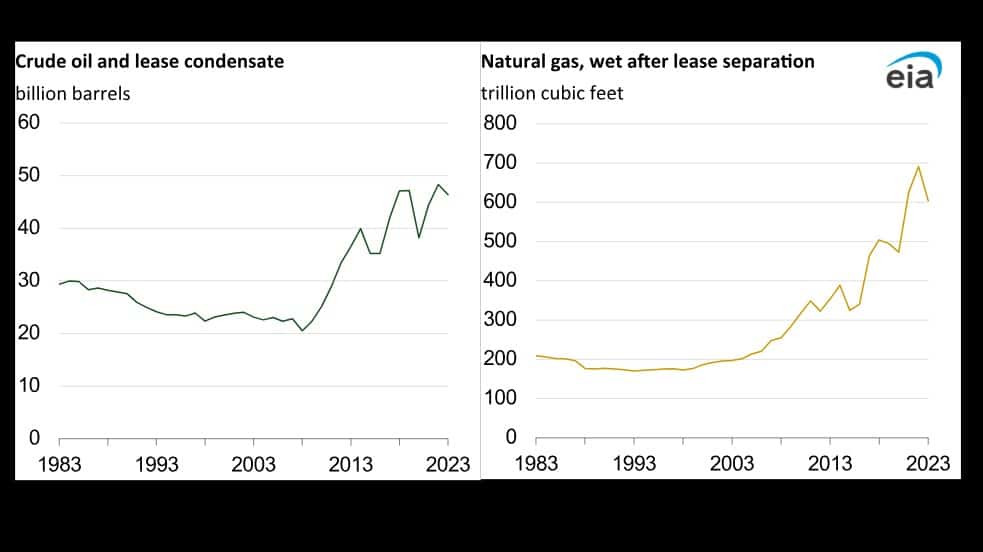
According to estimates by the US Geological Survey (USGS), northeast Greenland holds around 31 billion barrels of oil-equivalent hydrocarbons—a volume comparable to the U.S.’s proven oil reserves, which stood at 46.4 billion barrels at the close of 2023, based on data from the U.S. Energy Information Administration.
Despite official public statements promoting cooperation on Greenland’s resource development, the situation on the ground reveals deeper complexities. Greenlandic leaders have expressed strong opposition to exclusive foreign mining deals or extraction projects tied to military interests. Simultaneously, EU diplomats have criticized what they perceive as a one-sided approach from Washington in the scramble for Arctic minerals.
The Intersection of Unique Geology and Challenging Conditions
Greenland’s mineral bounty is the product of a dramatic geological history marked by ancient mountain-building, volcanic events, and continental rifting. This dynamic past has endowed the island with a diverse suite of minerals.
Beyond rare earths, significant deposits of graphite, zinc, gold, and other metals are found there. The Geological Survey of Denmark and Greenland (GEUS) reports that the country contains over 6 million tonnes of graphite, a critical battery material. A comprehensive GEUS technical report highlights the largely untapped potential of Greenland’s graphite fields which could strengthen global battery supply chains.
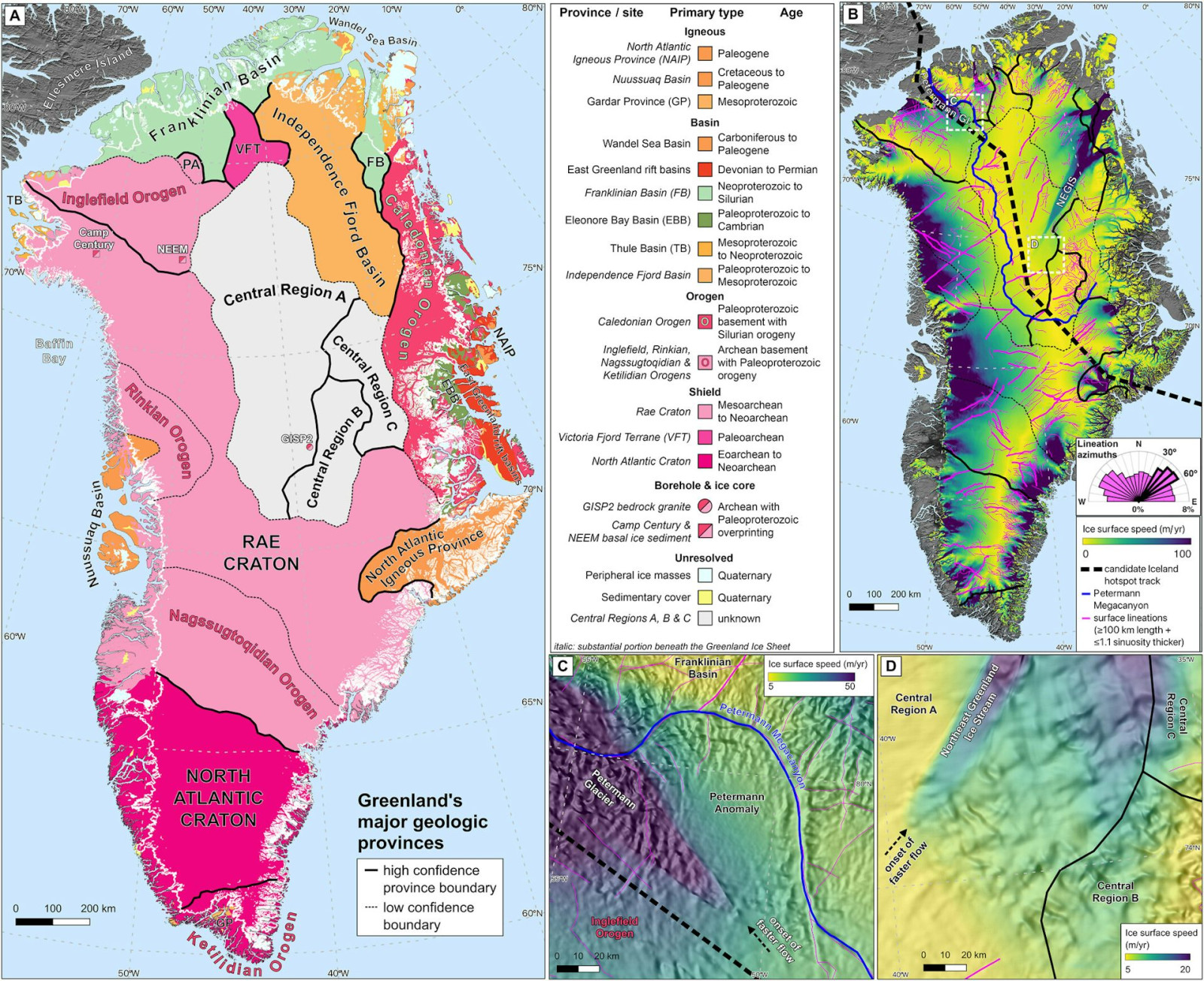
Projections made in 2019 anticipated a 50% surge in flake graphite demand by 2025, increasing pressure on dominant producers like China and South Korea. Many valuable mineral deposits remain hidden beneath thick ice, posing obstacles to exploration. Nevertheless, advancements in ground-penetrating radar and satellite mapping now allow scientists to better visualize subglacial mineral formations, as discussed in The conversation’s analysis.
Self-Governance Upholds Control Over Resources
Since the 2009 Self-Government Act, Greenland has maintained authority over its mineral rights within a legal framework established in the 1970s. Although exploration activities are permitted, all mining operations require adherence to strict environmental guidelines, including input from affected communities and formal regulatory approval.
This governance structure was notably challenged in 2019 when the Trump administration’s controversial proposal to buy Greenland was met with swift rejection from both Danish and Greenlandic authorities. The episode highlighted the increasing global interest in Arctic territories.
More recent efforts to accelerate rare earth mining have reignited tensions. Greenland’s government has resisted what it views as undue political pressure. According to CNBC, industry insiders label Washington’s tactics as “absurd” given the complex logistical, environmental, and legal challenges involved.
The report also underscores that Greenland’s rare earth extraction initiatives will likely require “years of permitting, infrastructure development, and building public trust” before becoming commercially feasible.
Environmental Concerns and Trust Issues Pose Major Challenges
Climate change presents a significant hurdle to resource exploitation. Since 1995, Greenland’s ice sheet has diminished by an area comparable to that of Albania, revealing new land but also contributing to rising sea levels and disturbing fragile ecosystems. This melting both facilitates new surveys and raises environmental threat levels.
This creates a dilemma. While Greenland’s minerals have the potential to drive the clean energy transition, their extraction risks exacerbating the climate threats impacting local habitats and communities. Authorities remain committed to prioritizing sustainability in all future developments.
Meanwhile, geoscientists and policy researchers continue to investigate how much mineral wealth lies hidden beneath the ice, as many of the most promising deposits remain inaccessible or uncharted for now.
- Categories:
- News






0 comments
Sign in to Comment