
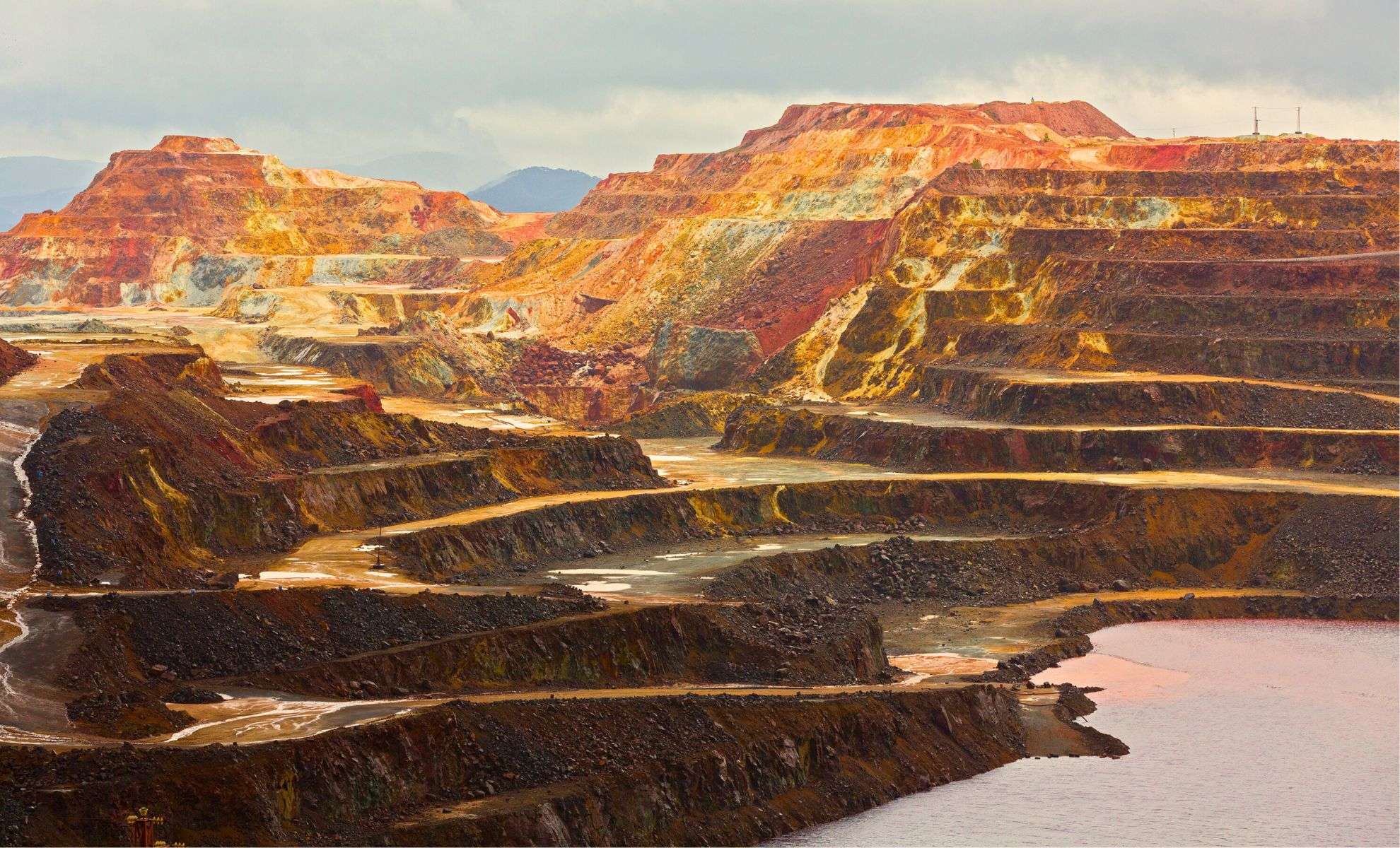
Deep beneath the surface of the American West, a significant shift is taking shape. In 2025, the U.S. Geological Survey (USGS) unveiled a comprehensive geological map that not only updates the known locations of gold deposits but also influences discussions on resource management, economic stability, and the transition to renewable energy. This release is timely, coinciding with a surge in global gold prices throughout 2024, which hit historic highs and emphasized the urgency of securing domestic mineral supplies.
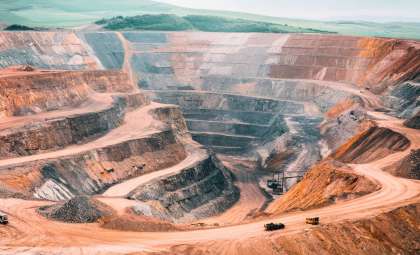
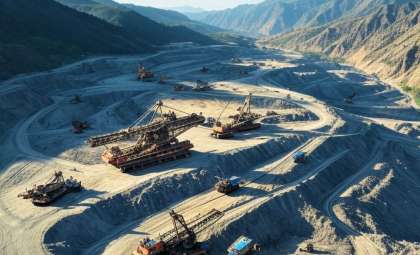
Nevada stands prominently in this story, particularly the famed Carlin Trend, a geological feature rich in microscopic gold particles—too small to see but valuable enough to support extensive mining operations, both underground and open-pit. Data from the USGS’s recent Mineral Commodity Summaries shows Nevada produced nearly 70 percent of the nation’s gold in 2024.
Trailing behind is Alaska, contributing approximately 16 percent of production, although scientists believe substantial gold reserves remain undiscovered. Advanced geological models indicate that nearly 25 percent of the country's hidden gold could be found within porphyry copper deposits, formations traditionally associated with copper but also rich in gold, silver, and molybdenum. This synergy between gold and base metals is inspiring renewed exploration efforts across the U.S.

Unearthing Geological History
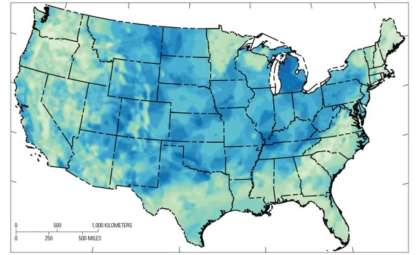
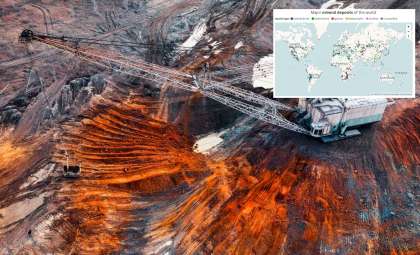
The USGS’s new map draws on decades of fieldwork, satellite data, and mineral testing, serving as a critical tool for mining companies, investors, and policymakers. The highlighted mineral-rich regions span the Rocky Mountains, Sierra Nevada, and parts of the Alaskan Interior, with smaller deposits identified in the Great Basin and Pacific Northwest.
Its importance lies in combining geological insights with up-to-date economic evaluations. The USGS estimates the total identified and speculative gold resources within the U.S. to be about 33,000 metric tons. A significant portion of this is contained within porphyry systems. Rather than just copper deposits with trace amounts of gold, these sites are now recognized as dual-resource zones vital for green technology supply chains and financial stability.
Formed in tectonically dynamic areas through extensive magmatic activity over millions of years, these deposits, such as in Nevada and southern Alaska, are geological treasures, encapsulating ancient volcanic and tectonic events.
Gold's Renewed Significance
This updated geological framework comes at a time when gold’s role has expanded beyond adornment to a critical financial and industrial asset. The average price of gold reached roughly $2,400 per troy ounce in 2024, marking a 23 percent increase from 2023. Central banks ramped up their gold holdings more rapidly than in the last ten years, while growing inflation fears drove investors to increase purchases of physical gold, according to the World Gold Council.
Beyond finance, gold is critical for manufacturing in electronics, aerospace, and precision instruments. It also benefits from the recent growth of AI technology, where its durability and heat conductivity are invaluable.
Despite rising demand, employment in U.S. gold mining remains modest, at just around 12,000 employees in 2024, largely due to advanced mechanization. The gold industry is concentrated in only 26 primary mines, and refining facilities are limited to a few key points nationally. This concentration poses challenges for supply chain resilience amid increasing global geopolitical tensions.
Fort Knox: The National Gold Vault
Amid the focus on extraction, the United States retains a formidable asset: its official gold stockpile. Held at Fort Knox, West Point, and the Denver Mint, these reserves exceed 261 million troy ounces as per the U.S. Treasury. However, these reserves are still recorded at an outdated book value of $42.22 per ounce, reflecting monetary standards from the mid-1900s.
This gap between official valuation and actual market prices continues to spark discussion on gold’s future economic role. While some treat the reserves as historical artifacts, others advocate leveraging them in new monetary strategies amid the rise of digital currencies and central bank digital currencies (CBDCs).
- Categories:
- News








0 comments
Sign in to Comment