
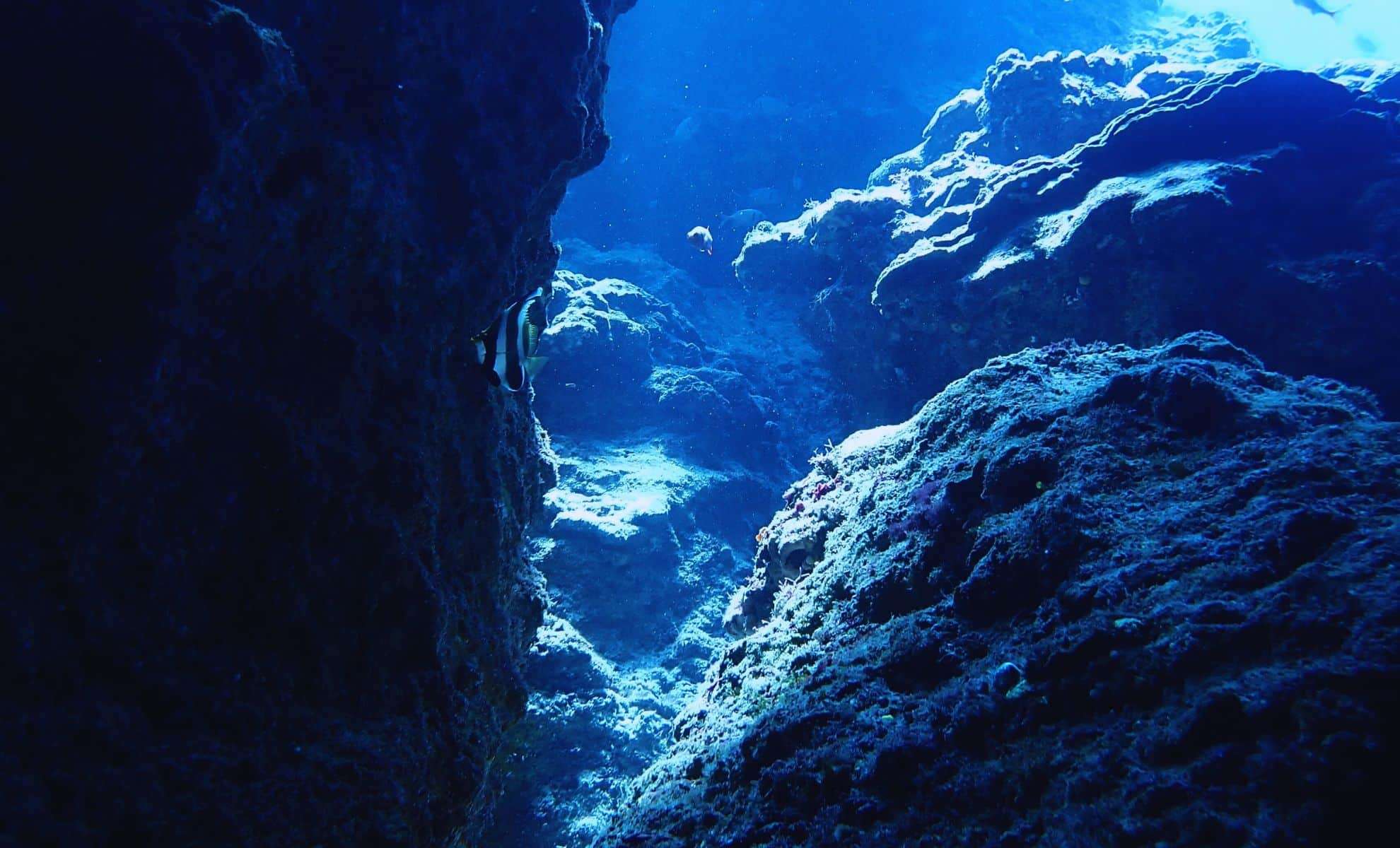
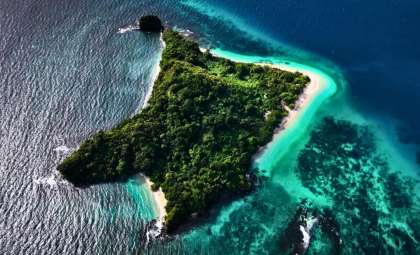
An extensive underwater plateau in the South Atlantic, once a flourishing tropical island, has been identified by an international team of scientists. Situated approximately 1,200 kilometers off Brazil’s coast, this submerged feature—known as the Rio Grande Rise (RGR)—is now understood to be a geological structure that surfaced millions of years ago.
Presented in a peer-reviewed article in Scientific Reports, the finding uncovers an overlooked part of Earth’s past and holds potential implications for future discussions on marine resource extraction and territorial claims on continental shelves.
A Forgotten Island Resurfaces
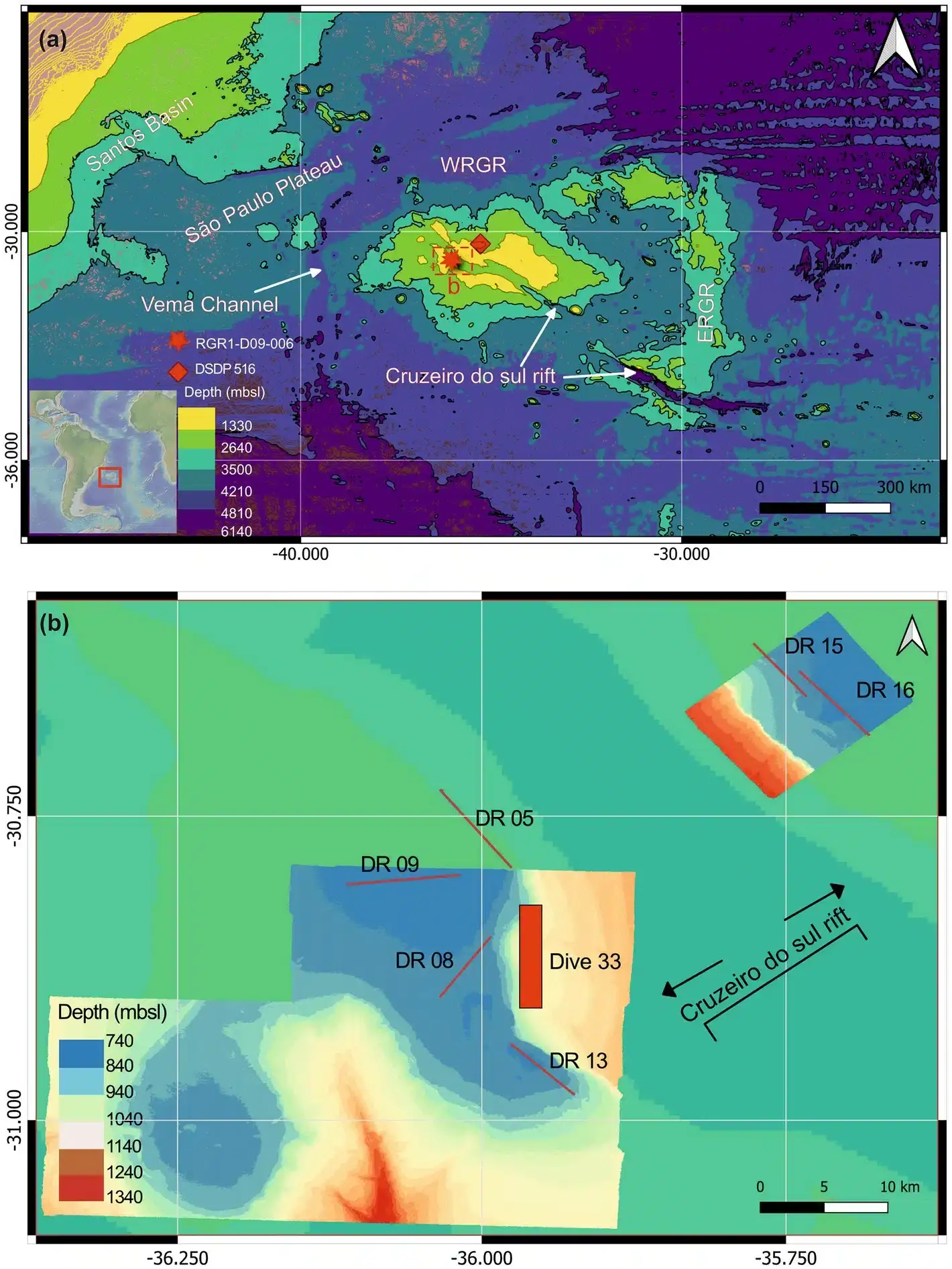
The investigation began with sediment samples collected from the seafloor in 2018. Research teams from the University of São Paulo (USP) and the University of Southampton targeted the western region of the Rio Grande Rise, a vast basaltic plateau comparable in size to Spain.

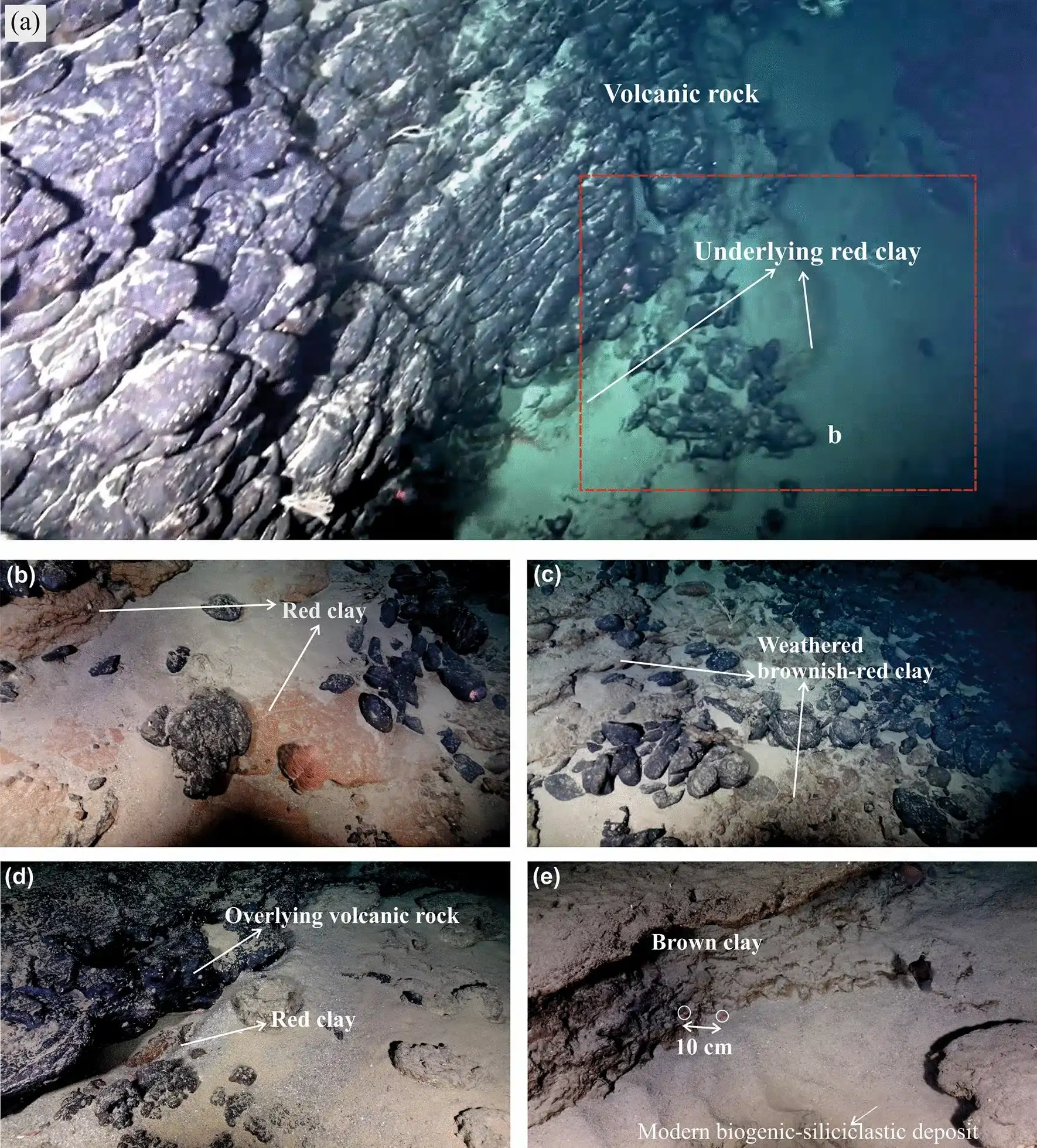
What emerged from beneath the 650 meters of water astonished scientists. Instead of solely volcanic rock, they discovered layers of red clay abundant in minerals like kaolinite, magnetite, goethite, and hematite, indicative of a tropical island’s long-term surface weathering where volcanic rock was exposed to atmosphere, heat, rain, and biological activity.
The clay exhibited a strikingly high chemical index of alteration (CIA) value of 93, far exceeding the typical scores below 50 found in basaltic material, confirming extensive chemical alteration consistent with prolonged exposure to humid, warm conditions.
Reconstructing the Ancient Landscape
Employing sophisticated technology, researchers pieced together the appearance of this prehistoric island. Onboard the RRS Discovery and Brazil’s Alpha Crucis vessels, they deployed autonomous underwater vehicles (AUVs) and remotely operated vehicles (ROVs) to create detailed maps of the seafloor. The surveys exposed a rugged plateau, deeply incised by a rift over 600 meters wide and layered with sediment deposits.
High-resolution imagery, sonar data, and physical samples collected by robotic equipment enabled the team to detail the Rio Grande Rise’s geological history. Remarkably, the red clay closely resembles the fertile "terra roxa" soil found in São Paulo today, known for its iron richness formed in comparable tropical climates.
Professor Luigi Jovane of USP’s Oceanographic Institute noted, “From a geological perspective, the clay formed after the last volcanic episodes around 45 million years ago, dating this formation to between 30 and 40 million years in age.”
Balancing Resource Potential with Environmental Protection
While the area holds resource promise, experts urge precaution. The Rio Grande Rise’s ecological role remains largely unknown. Scientists have yet to fully explore the ecosystem services it provides, which likely support various marine organisms, fungi, corals, and complex biological interactions developed over millions of years.
“Assessing whether seabed mining is sustainable depends on understanding the ecological impacts,” Jovane emphasized. “Disturbing such environments demands careful evaluation of how it affects not just fauna but also fungi and coral communities.”
The multidisciplinary team, including geologists, biologists, oceanographers, and legal experts, aims to map not only the Rio Grande Rise’s historical significance but also to guide its responsible future use.
- Categories:
- News






0 comments
Sign in to Comment