
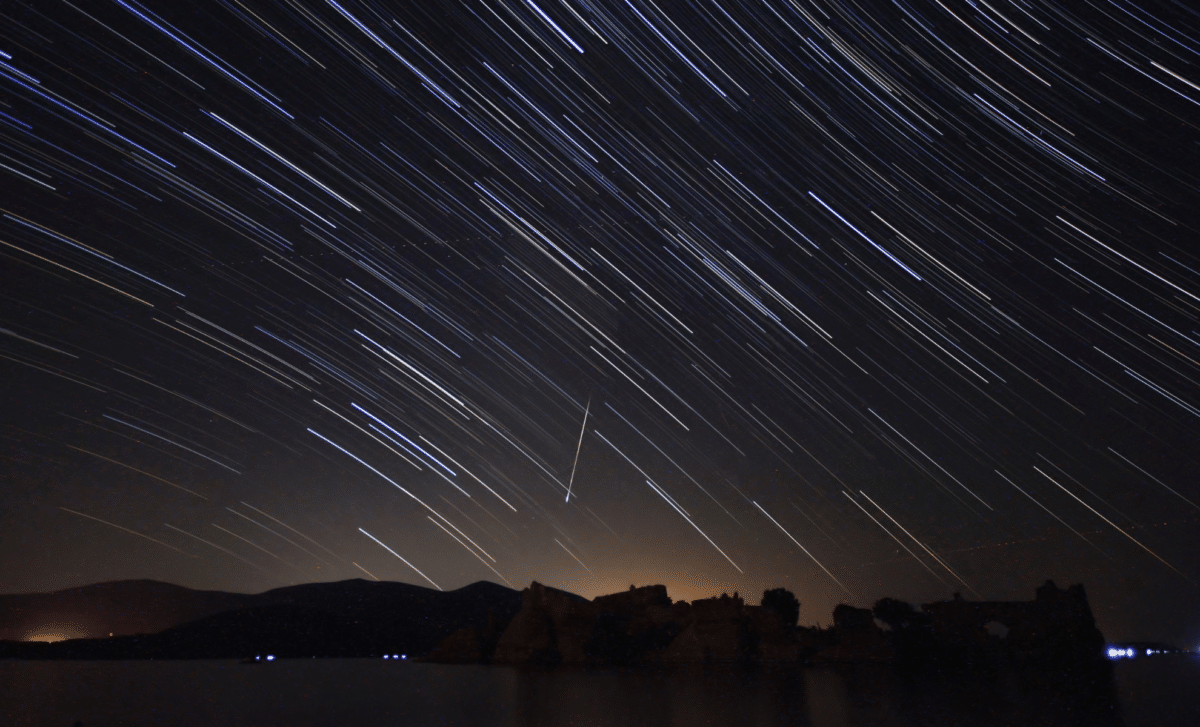
A dazzling display of swift meteors originating from the trail of Halley’s Comet will reach its height in early May, presenting one of the season’s most captivating astronomical spectacles.
A Celestial Phenomenon Fueled by a Historic Comet
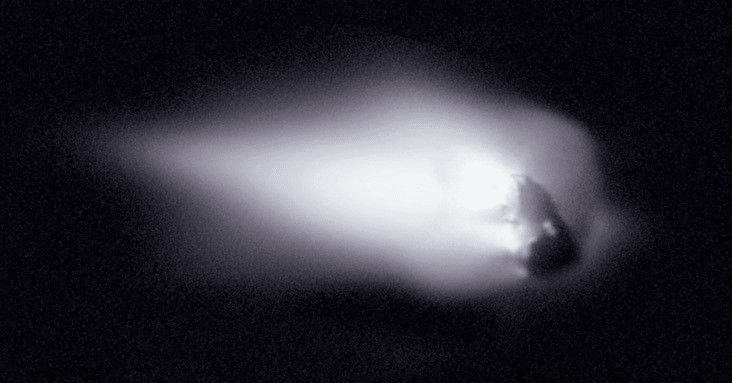
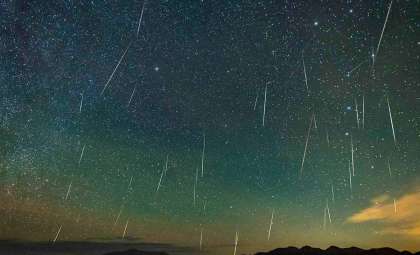
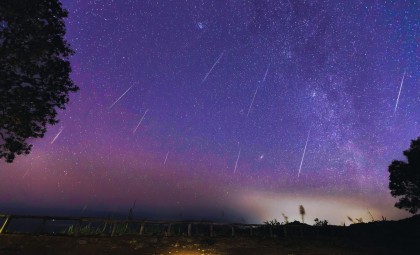
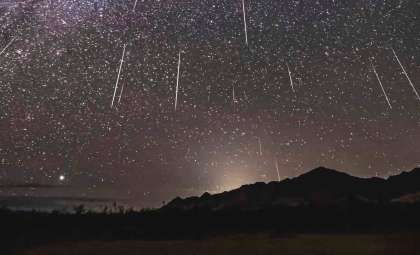
Each year, Earth passes through a cloud of dust left behind by Halley’s Comet, an iconic figure in the cosmos. These tiny particles, often regarded as "cometary debris," enter our atmosphere at incredible velocities, lighting up the sky as the Eta Aquarid meteor shower.
Based on information from Space.com, this astronomical event runs from April 19 through May 28. The meteor shower will be most intense during the night of May 5 into the early hours of May 6, when Earth’s orbit intersects the densest part of the comet's debris field.
Being linked to Halley’s Comet adds a special scientific dimension. This comet circles the Sun approximately every 76 years and is anticipated to return within the inner solar system only by 2061. What audiences observe now are relics of earlier passages, offering a remarkable glimpse into a comet's lasting cosmic footprint.
These meteors enter our atmosphere at speeds nearing 41 miles (66 kilometers) per second, contributing to their brilliance and the captivating glowing trails they leave behind.
Optimal Viewing Times and Locations
The prime viewing period occurs just prior to sunrise on May 6, when the radiant point in the Aquarius constellation climbs to its peak altitude in the sky. Bill Cooke from the NASA Meteoroid Environment Office suggests stargazers begin watching at around 2:00 a.m. local time, as meteor activity gradually intensifies until dawn.
Viewing results depend greatly on location. The Southern Hemisphere enjoys the richest spectacle with rates up to 50 meteors per hour under clear, dark skies. Areas near the equator also experience strong displays, ranking the Eta Aquarids among the year’s top meteor showers in those regions.
Observers situated in the Northern Hemisphere will witness fewer meteors, typically between 10 and 30 per hour at peak times. Still, the meteors’ fast speeds and brightness make for an impressive show, especially away from urban light interference.
This year’s viewing will be challenged by moonlight; a bright waning gibbous moon coincides with the peak, which will obscure dimmer meteors and slightly affect overall visibility.

Tips for Enhancing Your Meteor-Watching Experience
Even with moonlight, there are methods to improve meteor observation. It’s recommended not to fixate on the Aquarius constellation itself, despite it being the meteors’ radiant source. Meteors appearing outside this area often produce longer and more spectacular trails.
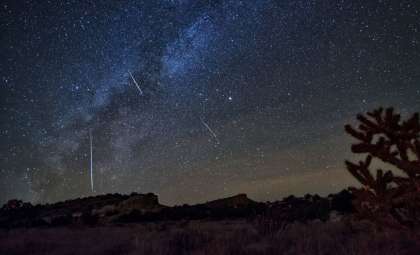
Scanning wider portions of the night sky increases the chances of spotting brilliant meteors. Viewers should find a comfortable spot, remain patient, and avoid all types of artificial light. No optical aids are necessary, since meteors move too rapidly for telescopes or binoculars to be effective.
The essentials for enjoying the shower are simple: a dark environment, time, and clear skies. Even a modest number of meteors can create a breathtaking show when multiple bright streaks illuminate the night in quick succession.
Reflecting on Halley’s Timeless Astronomical Impact
The Eta Aquarids illustrate how a single comet can leave a lasting impression on Earth's sky long after its last appearance. Edmond Halley was the first to recognize the comet’s periodic path in the 18th century by correlating observations from 1531, 1607, and 1682. His successful prediction of its 1758 return transformed our understanding of cometary orbits.
Every meteor from the Eta Aquarids represents a fragment of this historic discovery. Each bright trail tells a story of cosmic material deposited across centuries.
For early risers in 2026, the meteor shower peak provides a unique chance to experience Halley’s enduring legacy, even though the comet itself remains far beyond our view.
- Categories:
- News



0 comments
Sign in to Comment