

Each year, the captivating Orionid meteor shower delights astronomy enthusiasts as Earth passes through the remnants of space debris once shed by the legendary Halley’s Comet. Although the comet itself won't be visible until 2061, its cosmic trail continues to light up the autumn night skies with bright meteors streaking through the darkness.
What Creates the Orionid Meteor Shower?
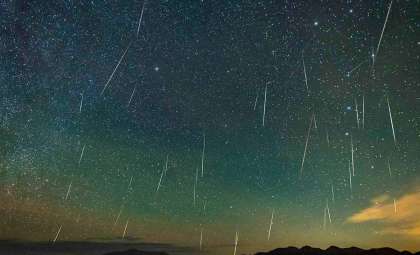
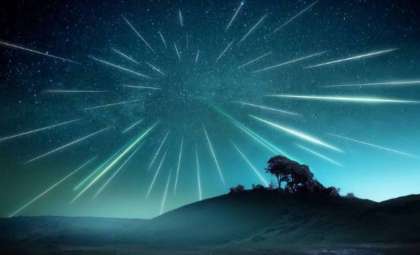
The stunning display seen during the Orionid meteor shower originates from the particles left behind by Halley’s Comet as it journeys around the Sun. When our planet moves through this stream of dust and rocky fragments, these tiny pieces collide with the atmosphere and burn up, producing brilliant flashes commonly mistaken for "shooting stars." These meteors glow due to the intense friction and speed at which they enter Earth's atmosphere.
Halley’s Comet last graced the sky in 1986 and won't return for many decades, yet the dust and debris it has left scattered throughout the inner solar system repeatedly cause meteor showers visible from Earth. Both the Orionids in October and the Eta Aquarids in May owe their origin to this celestial visitor. The meteor shower’s name comes from the nearby Orion constellation, which serves as the radiant point where meteors appear to radiate and is ideally positioned late at night during the event.

Optimal Viewing Periods and Conditions
The Orionid meteor shower spans from September 26 through November 22, 2024, granting skywatchers weeks to catch a glimpse of this cosmic spectacle. The peak sightings, however, will occur during the night of October 20 to October 21. Under favorable conditions, observers might witness as many as 20 to 75 meteors per hour. According to the American Meteor Society, the Orionids typically offer a moderate meteor display but can occasionally surprise with more intense activity.
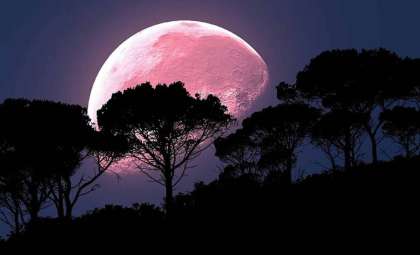
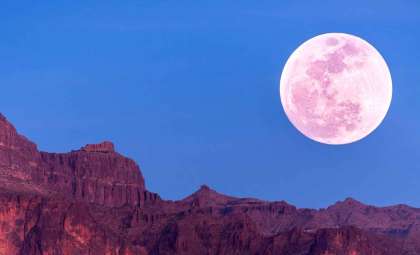
This year’s observation could be slightly hindered by a waning gibbous moon lighting up the night, which may obscure some of the dimmer meteors. To maximize viewing, it’s best to observe soon after dusk and prior to the moon’s rise. Even if you miss the peak night, the Orionids remain visible for several nights before and after, though with reduced meteor counts.
Tips for the Best Meteor-watching Experience
To fully appreciate the meteor shower, seek out areas free from light pollution, such as rural locations or designated International Dark Sky Parks, where the stars shine brightest. Meteor showers demand patience; spend at least 30 minutes outside to allow your eyes to adapt, increasing the likelihood of spotting multiple meteors.
Viewing meteors requires no special equipment—telescopes or binoculars actually narrow your field of vision and reduce chances to observe the fleeting streaks. Find a comfortable spot with a broad view of the sky to lie back and watch. The NASA advises avoiding bright white light like smartphones during observation to preserve night vision; use red light if necessary and dress warmly for the cooler fall temperatures.
The Lasting Influence of Halley’s Comet
With a rich history of sightings stretching back centuries, Halley’s Comet remains one of humanity’s most iconic celestial travelers. Completing an orbit every 72 to 80 years, the comet’s infrequent visits contrast with its frequent presence via meteor showers it generates. Both the Orionids and Eta Aquarids serve as annual tributes to this great comet’s path through the solar system.
Currently located in the constellation Hydra, Halley’s Comet continues its journey through the outer reaches of our solar neighborhood. Its much-anticipated return in 2061 is expected to be even more spectacular than the 1986 appearance due to a closer approach to Earth. Meanwhile, the annual Orionid shower offers a window into the comet’s ongoing celestial influence.
Watching meteor showers like the Orionids connects us to the dynamic processes at play in our solar system, where Earth intersects with cosmic debris, painting our skies and telling stories of the cosmic environment beyond our atmosphere.
Significance of the Orionid Meteor Shower
Beyond providing a breathtaking skyward show, the Orionid meteor shower helps connect scientists and stargazers to the intricate cycles of the cosmos. Observing and studying these events offer valuable clues about the nature of comets and other small bodies that shaped our planetary system’s formation.
Advances in our knowledge of space weather also benefit from understanding meteor showers, as they reveal interactions between cosmic particles and planetary atmospheres. Insights derived from such studies are crucial for safeguarding satellites and other space assets from the effects of these interactions.
Despite possible lunar interference this year, the Orionids remain a captivating, dependable spectacle. By planning your viewing carefully and choosing dark skies, you can witness remnants of a comet more than 75 years old streaking brightly through our atmosphere, highlighting the astonishing complexity and wonder of the universe.
- Categories:
- Astronomy ,
- News





0 comments
Sign in to Comment