
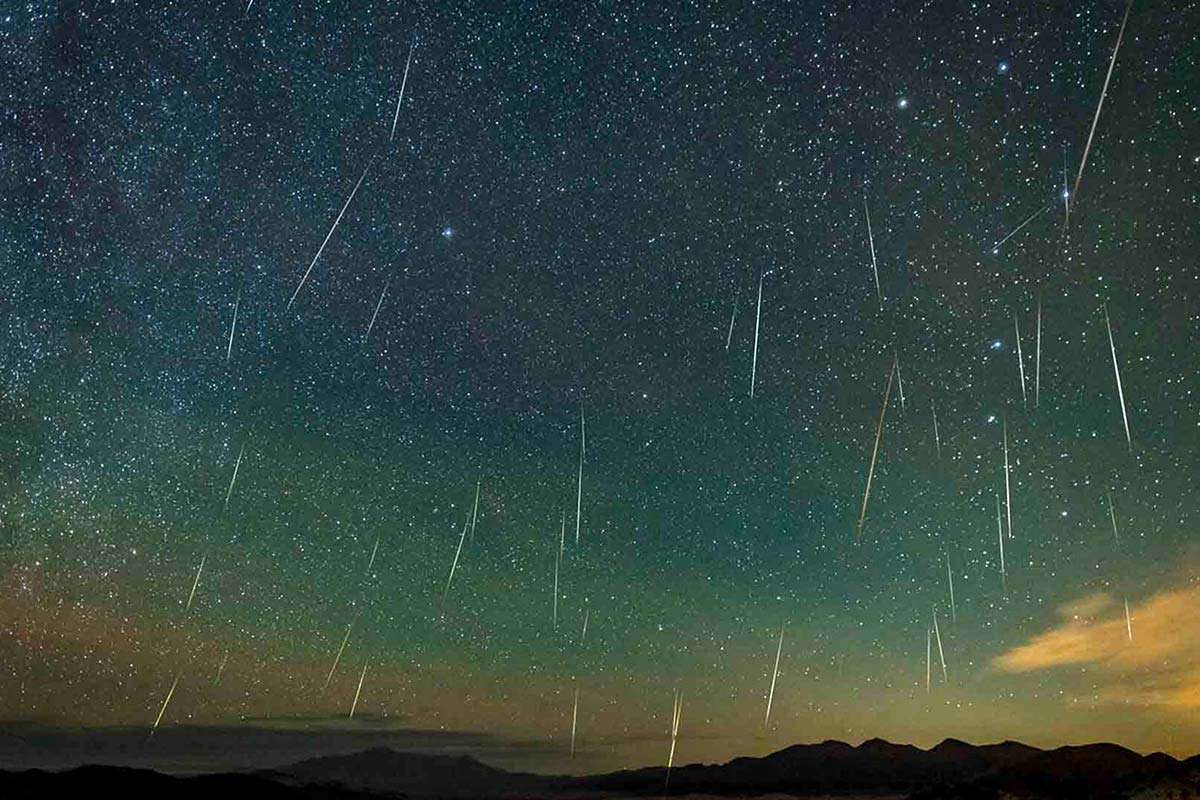
The annual Eta Aquarids meteor shower is set to reach its height this weekend, delighting stargazers worldwide. Active from April 15 through May 27, its most intense activity will occur between the early mornings of May 4 and May 11. Observers are encouraged to look skyward between midnight and 3 a.m. for optimal viewing.
Best Viewing Times and Locations
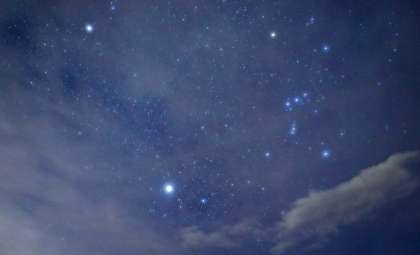
The shower's radiant lies near the Aquarius constellation, toward the southeast horizon. While the show is more prominent for those in the Southern Hemisphere, viewers as far north as 40° latitude can still enjoy the display. This year's peak benefits from a waning moon phase leading to a new moon on May 8, providing darker night skies which enhance the visibility of fainter meteors.
Viewing Conditions for 2024
The absence of bright moonlight during the peak nights offers ideal conditions for meteor watchers. Eta Aquarids are famous for their swift, glowing meteors, and this year's viewing environment promises exceptional clarity.

Intensity Forecast and Historical Context
Astronomy & Astrophysics published research indicating that the 2024 Eta Aquarids could rank among the century’s most intense meteor showers. This forecast is grounded in decades of observations and modeling since 1985. Similar levels of activity may be witnessed again in 2045 and 2046, although precise predictions remain challenging.
Advice for Observers
To fully appreciate the spectacle, seek out dark areas far from urban light pollution and allow your eyes approximately 20 minutes to adjust without exposure to screens. On nights of peak activity, viewers might catch 20 to 30 meteors every hour. Helpful mobile apps like Star Walk 2 or Sky Tonight can assist in tracking the radiant’s highest position just before dawn.
The Eta Aquarids, originating from debris shed by Halley’s Comet, represent more than a fleeting sky show — they underscore the ongoing celestial choreography of our solar system. As Earth travels through the comet’s remnants, this brief meteor shower offers a dazzling glimpse into cosmic processes. Don’t miss this chance to witness what could be an exceptional and memorable astronomical event.




0 comments
Sign in to Comment