
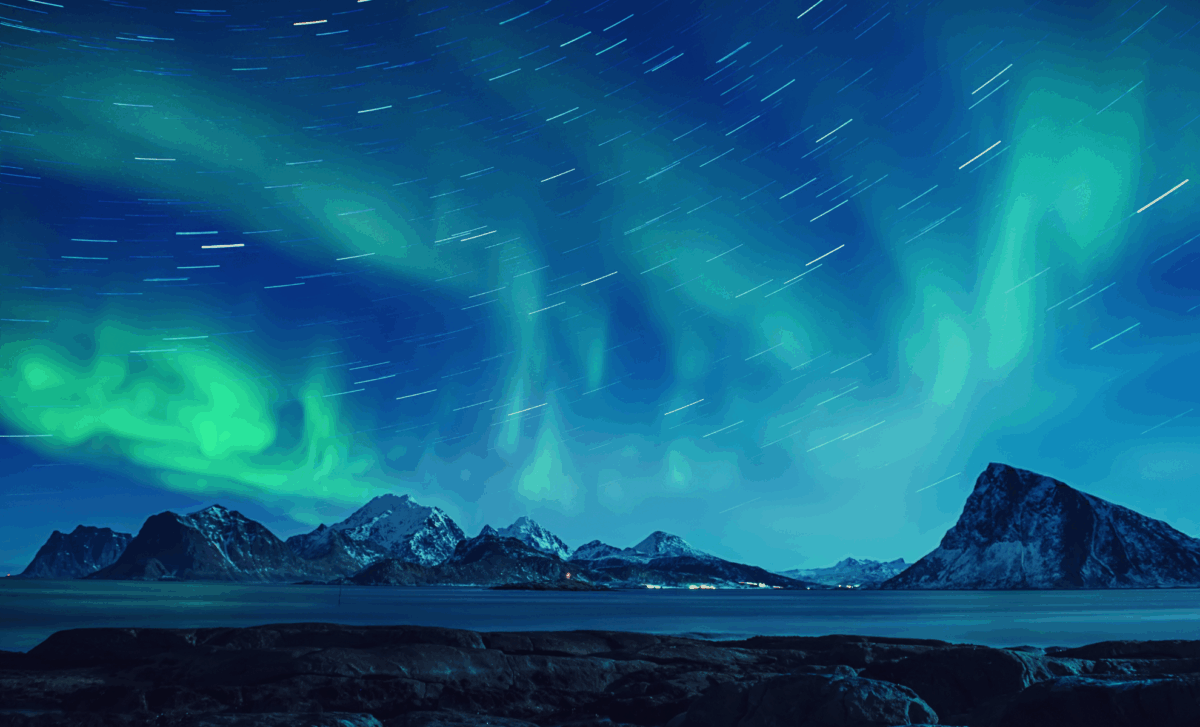
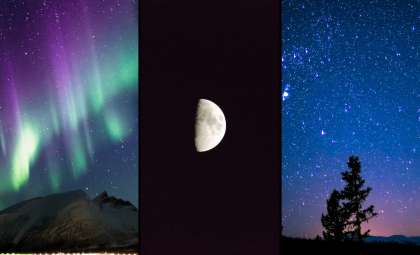
Stargazers are in for an extraordinary celestial display this week as October’s astronomical highlights culminate with the Orionid meteor shower, two noteworthy comets, and a chance to see the Aurora Borealis in northern US regions. The combination of a new moon’s darkness and intensified solar activity sets the stage for an exceptional viewing experience.
Orionid Meteor Shower: A Spectacular Shower of Shooting Stars
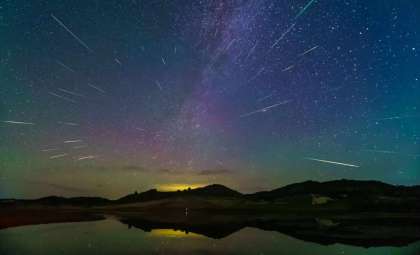
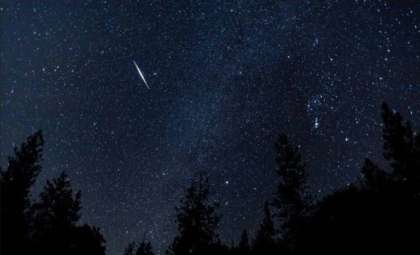
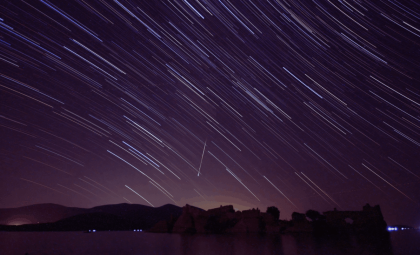
During mid to late October annually, Earth crosses a stream of debris from Halley’s Comet. These particles ignite upon entering our atmosphere, producing the dazzling lights of the Orionid meteor shower. The shower will reach its maximum activity on the evening of October 20 into the early morning of October 21, under nearly perfect conditions.
With the new moon occurring on October 21, moonlight interference is eliminated, creating some of the darkest skies in recent years. As noted by Forbes, observers can expect up to 20 meteors per hour, with even greater counts possible in rural locales free from artificial light. These meteors will appear to originate from the Orion constellation, near the vivid red star Betelgeuse, making the early morning of October 21 ideal for viewing.

Two Unique Comets to Illuminate the Night
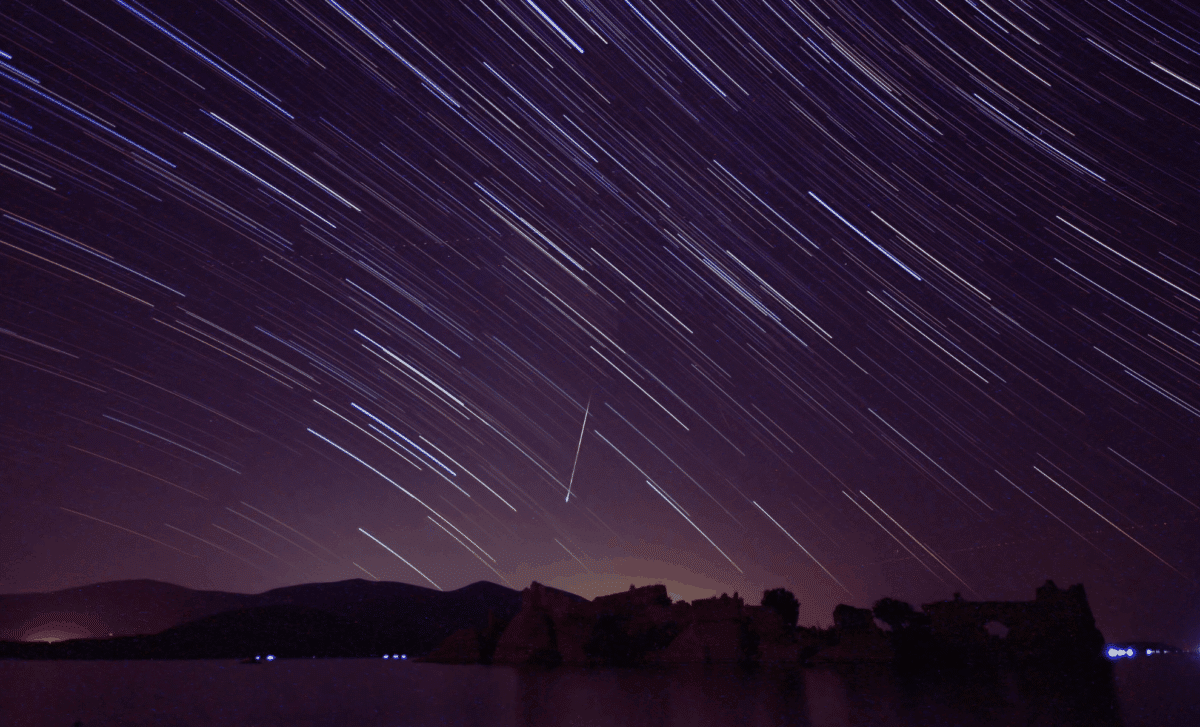
This year’s celestial event is made even more spectacular by the presence of two comets. Comet Lemmon (C/2025 A6) and Comet SWAN (C/2025 R2) are both currently observable, providing an extra highlight for any night sky enthusiasts. According to Forbes, binoculars can reveal Comet Lemmon positioned to the northwest and Comet SWAN to the southwest just after dusk.
If conditions are favorable and the comets brighten sufficiently, they may become visible without aid, especially when viewed from areas with little light pollution. The first 90 minutes following sunset offer the most favorable opportunity to spot both. As their locations shift nightly, stargazers can follow updated “comet tracker” guides for detailed positioning and viewing tips.
Aurora Borealis: Nature’s Nighttime Light Show
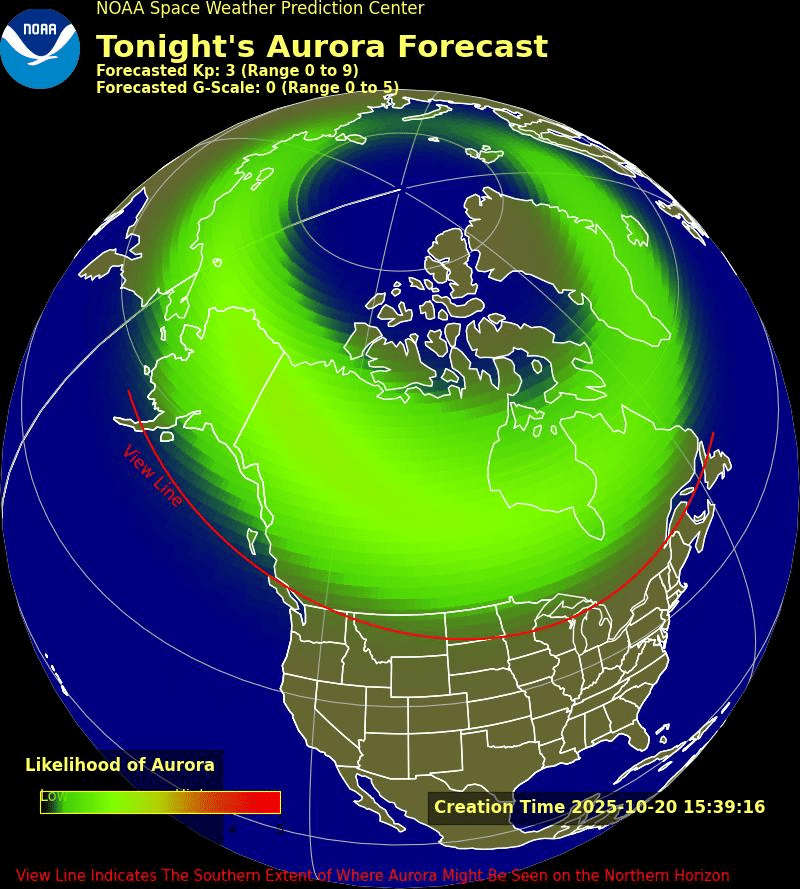
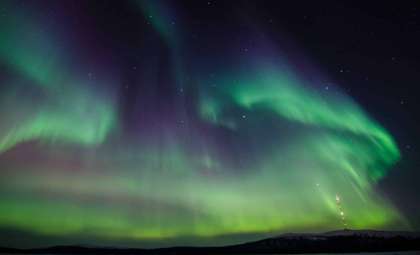
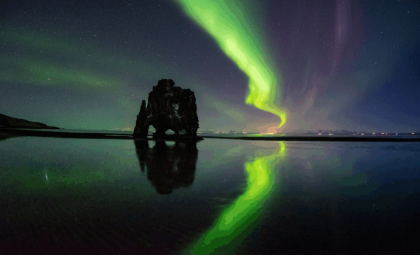
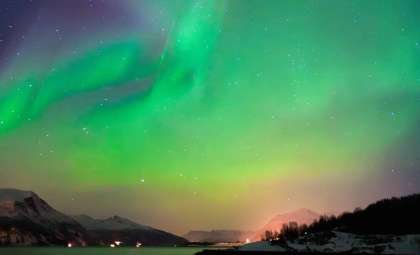
Residents in northern parts of the United States and Canada could witness a spectacular aurora borealis display this week. Increased geomagnetic activity, fueled by recent solar coronal mass ejections (CMEs), enhances the likelihood of this natural phenomenon. The NOAA forecasts notable auroral visibility, especially on the night of October 20.
States such as Alaska, Washington, Idaho, Montana, and sections of Michigan, New York, and Maine are forecasted to experience optimal viewing conditions. Clear and dark skies may reveal stunning displays of shimmering greens and pinks, creating a breathtaking spectacle to complement the week’s meteor and comet activity.
Tips for Enjoying This Amazing Astronomical Event
With these incredible phenomena all occurring simultaneously, preparation is key to making the most of this night. Forbes advises traveling at least 20 to 30 miles away from urban light sources to escape light pollution. Opt for dark sky parks or remote rural locations to get the clearest views of the meteor shower and comets.
Observing the meteor shower requires no specialized gear—just your eyes. However, binoculars or telescopes can significantly enhance the comet viewing experience. Allow your eyes one to two dozen minutes to adjust to the dark before beginning your observation session. The peak viewing window for the Orionids is in the early hours of October 21, around 2 a.m., when the meteor shower will be most vivid.
- Categories:
- News


0 comments
Sign in to Comment