
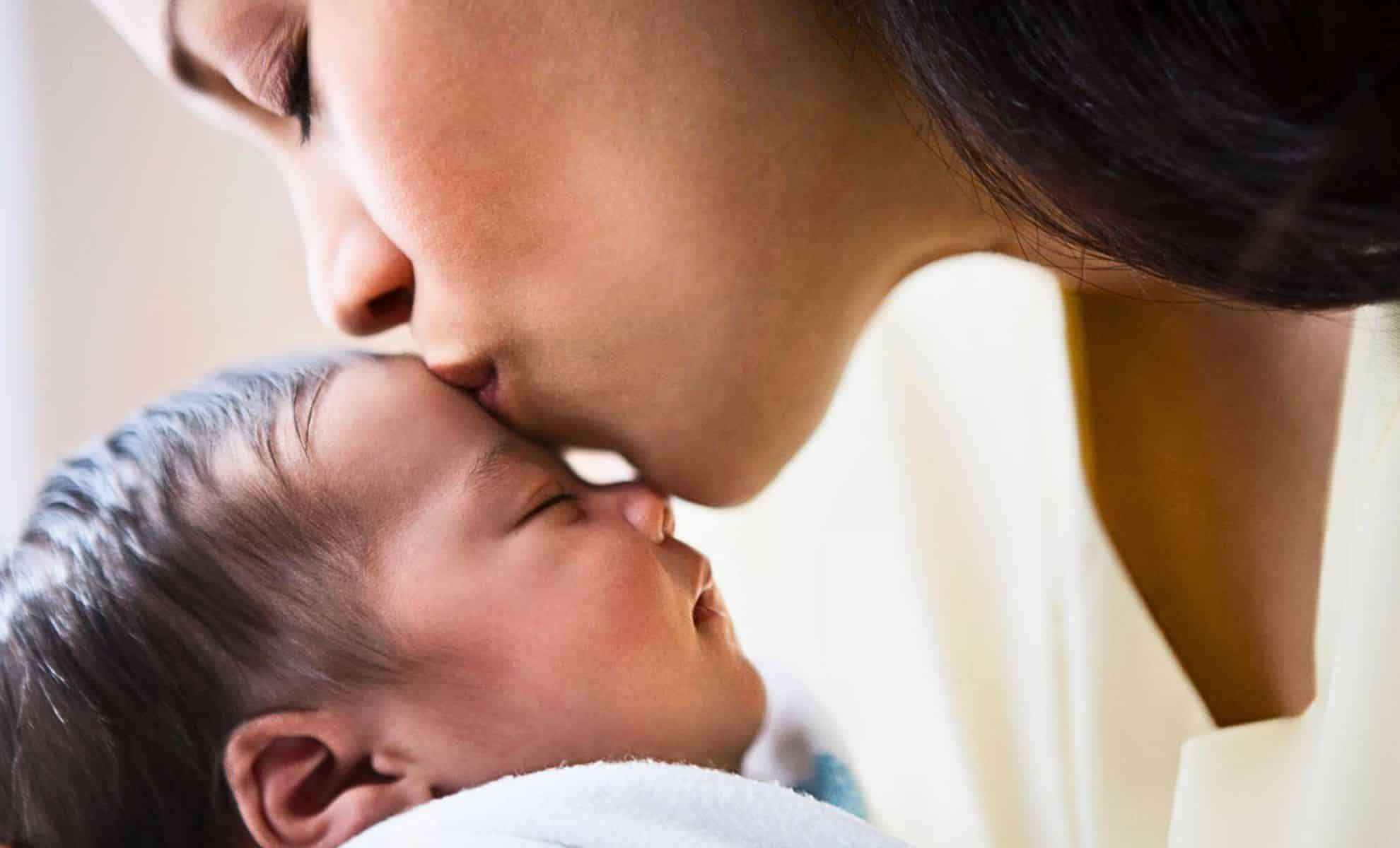
Although kissing a newborn is often perceived as a gentle display of love, it carries serious health risks for the infant. Newborns have immature immune systems that make them especially prone to infections. This article examines the hazards of kissing babies and offers crucial advice on expressing affection safely.
Understanding Newborn Immunity and Vulnerabilities
A newborn’s immune defenses are incomplete, heightening their risk of contracting infections more easily than older children or adults. Their immune cells, including neutrophils and monocytes, are not yet fully functional to combat invading pathogens. Consequently, illnesses causing mild symptoms in grown-ups can pose serious threats to infants.
Primrose Freestone, clinical microbiologist from the University of Leicester, notes, “A newborn’s immune system is immature at birth, making them significantly more susceptible to severe infections.” This vulnerability is especially critical in the initial weeks after birth, when the baby’s immune system is still developing protection against a range of pathogens.

Herpes Simplex Virus: A Major Threat for Infants
The herpes simplex virus presents a severe danger to newborns. While adults may only experience mild cold sores, the virus can be fatal when transmitted to an infant. It can infect a baby’s eyes, mouth, or skin—and if it spreads to internal organs, the outcomes can be devastating.
Freestone cautions, “The risk of herpes infection is highest in babies under four weeks old.” Young infants are especially vulnerable to serious complications, including organ failure and death, if exposed to this virus.
Bacterial Risks: Group B Streptococcus and E. coli
Newborns are also at an increased risk of dangerous bacterial infections such as pneumonia, sepsis, and meningitis. Group B Streptococcus (GBS)—commonly found in infants—rarely harms adults but can be life-threatening for newborns. E. coli similarly poses significant risks to infants, despite being relatively benign in adults.
Because their immune response is underdeveloped, newborns cannot effectively repel these bacteria. “Newborns have heightened susceptibility to intracellular pathogens—bacteria that invade cells and dodge immune defenses,” Freestone explains.
Safe Ways to Show Affection to a Newborn
Expressing love for a baby requires thoughtful safety measures. Always ensure you thoroughly wash your hands before contact. Steer clear of kissing a newborn’s face, the most common route for germ transmission. Instead, kisses on the back of the head or feet are safer alternatives.
Individuals with active cold sores should avoid direct contact with infants since these sores signal an ongoing herpes infection. “Cover cold sores with dressings and consider wearing a mask to reduce spread of respiratory illnesses,” advises Freestone. Visitors feeling unwell should refrain from visits altogether.
Parents should confidently request that visitors refrain from kissing their newborns. “Parents of infants should not hesitate to set boundaries to protect their child’s health,” Freestone emphasizes. Such measures are vital to safeguarding vulnerable babies.
Express Love Without Compromising Health
Though kissing is an expression of deep affection, prioritizing a newborn’s well-being is essential. “While kisses show love, they can endanger a newborn’s health, which no one wants,” Freestone states. Practicing good hygiene and avoiding facial kisses can help parents and visitors protect babies from potentially dangerous infections.
- Categories:
- Health












0 comments
Sign in to Comment