
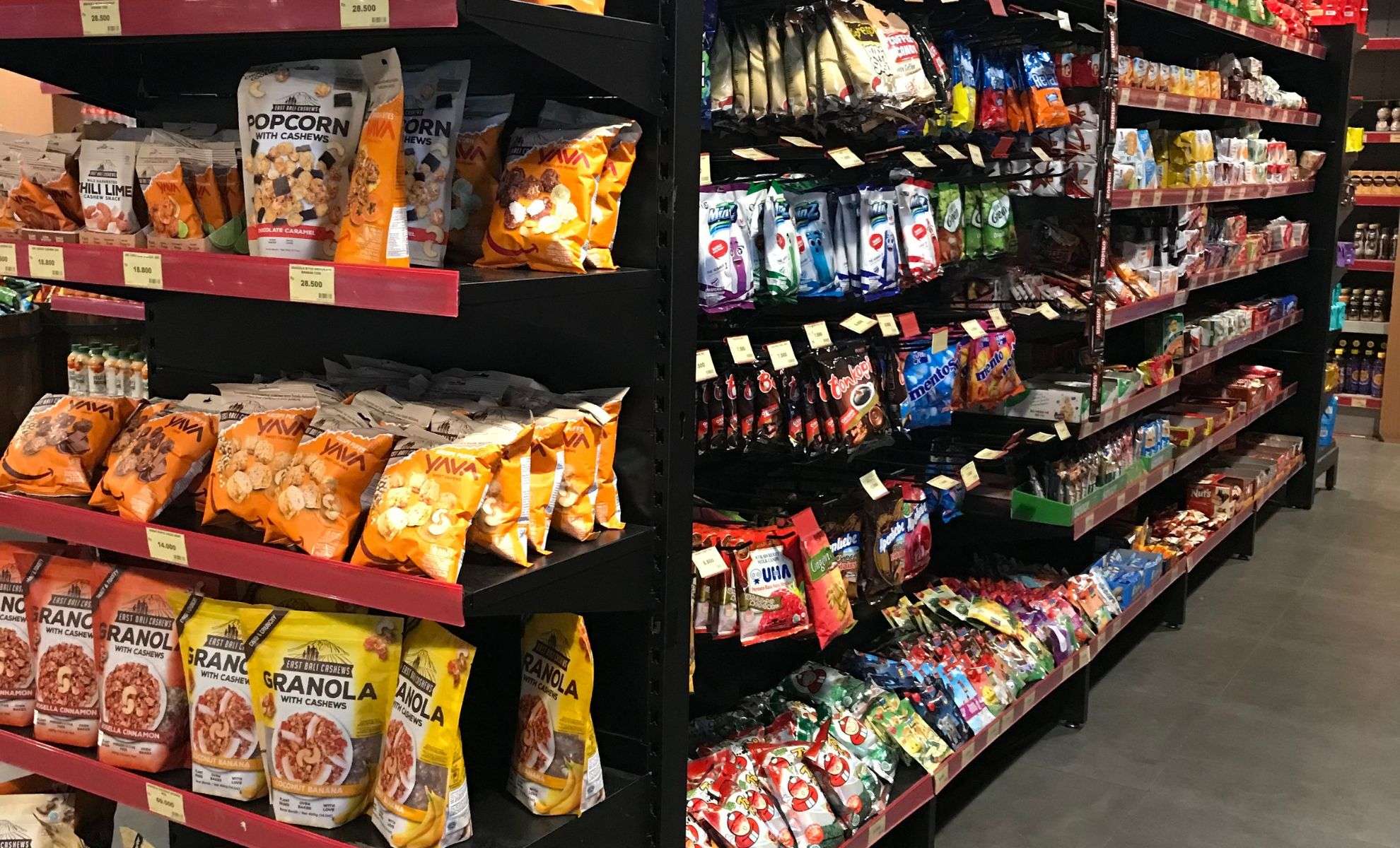
The use of artificial food colorings in common snacks and drinks has sparked growing concern over their safety. Although these vivid hues make foods more visually striking, scientists and health advocates question whether these additives could carry hidden health risks, especially for children. With recent bans on certain dyes in California school meals, the FDA faces increasing calls to review their safety protocols.
Understanding Synthetic Food Colorings and Their Purpose
Originating in the mid-19th century and derived mainly from petroleum sources, synthetic food colorings were developed to enhance the visual appeal of foods artificially. Currently, six main dyes dominate the market: Red 40, Yellow 5, Yellow 6, Blue 1, Blue 2, and Green 3. Among these, Red 40 and Yellow 5 are the most commonly used. These additives produce vivid, eye-catching colors that natural dyes struggle to replicate, helping manufacturers target younger consumers. From cereals to candies, these dyes alter a product’s appearance without affecting its flavor or nutritional qualities.
Health Risks: Behavioral Impacts and Cancer Warnings
Research over several decades has suggested a connection between synthetic colorings and changes in neurobehavioral health, particularly relating to hyperactivity in children, including those without a diagnosis of ADHD. Findings from California’s Office of Environmental Health Hazard Assessment (OEHHA) indicate that removing these dyes from diets can lower hyperactivity symptoms, prompting California’s ban on them in school food.

Beyond behavioral issues, some studies in animals have raised concerns about possible carcinogenic effects of certain dyes. Red 3, for example, has been associated with thyroid tumors in lab animals, yet it is still present in some candies and beverages. Despite such findings, the FDA has yet to enforce restrictions, even though laws prohibit food items from containing proven carcinogens.
Consumer Awareness and Labeling Difficulties
Consumers face challenges in identifying foods with synthetic dyes. Unlike the European Union, which demands warning labels on products containing artificial colors due to behavioral risks, the United States lacks mandatory disclosures. Dyes such as Yellow 5 and Red 40 may appear under varying names in ingredient lists, adding to consumer confusion.
Organizations like the Center for Science in the Public Interest (CSPI) stress that absent clear labeling, many consumers remain unaware of dye content, complicating efforts to make informed food choices. CSPI’s advocacy for enhanced labeling rules and stricter regulations has fueled national debates, although significant federal policy changes have been slow to materialize.
How to Minimize Synthetic Dye Intake
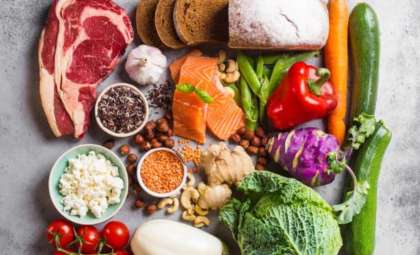
Reducing consumption of heavily processed foods is an effective way to avoid synthetic food dyes. Instead, choose whole foods such as fruits, vegetables, and whole grains, which are naturally free from artificial colors. To detect synthetic dyes in packaged goods, scrutinize labels for names like FD&C Yellow No. 5 or Red 40.
- Categories:
- Health














0 comments
Sign in to Comment